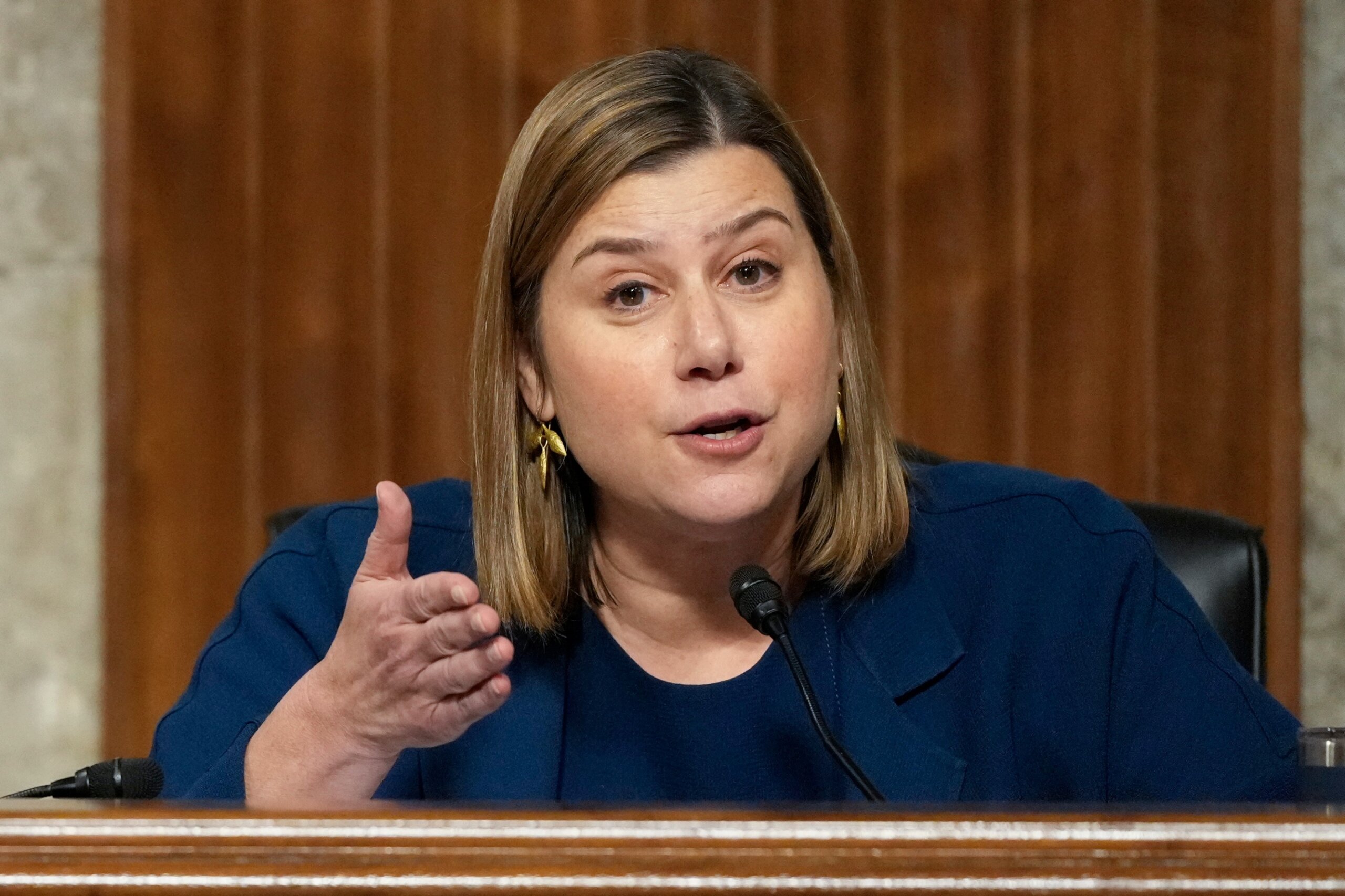
WATCH: House approves War Powers Resolution

The House voted Thursday on a measure limiting President Donald Trump’s ability to take military action against Iran as Democratic criticism of the U.S. killing of a top Iranian general intensified. The House approved the resolution, 224-194. The vote was largely along party lines.

Speaker Nancy Pelosi, D-Calif., announced the planned vote in a one-page statement that said last week’s drone strike that killed Gen. Qassem Soleimani was “provocative and disproportionate.”

Watch the vote below.

Analysis: The world Washington built is fraying. What comes next?

The United States is confronting a global security environment that increasingly resembles the outcome its Cold War adversaries once hoped to produce: a divided West, weakened alliances, economic exhaustion, multiple simultaneous wars and declining confidence in American leadership. That does not mean today’s crises were orchestrated according to some surviving Soviet master plan. The Soviet Union is gone, and the threats facing Washington now come from several different states with different interests. But the strategic effect is strikingly familiar. Early NATO assessments of Soviet intentions warned that Moscow sought to weaken the democratic powers, deny the West a secure European base and ultimately exhaust North America economically. Now, NATO says Russia is again trying to reconfigure the Euro-Atlantic security order through military force, sabotage, cyberattacks, coercion and disinformation. The difference is that much of the pressure now confronting the West is occurring simultaneously — and some of the damage to alliance cohesion is self-inflicted.
Read Next Story