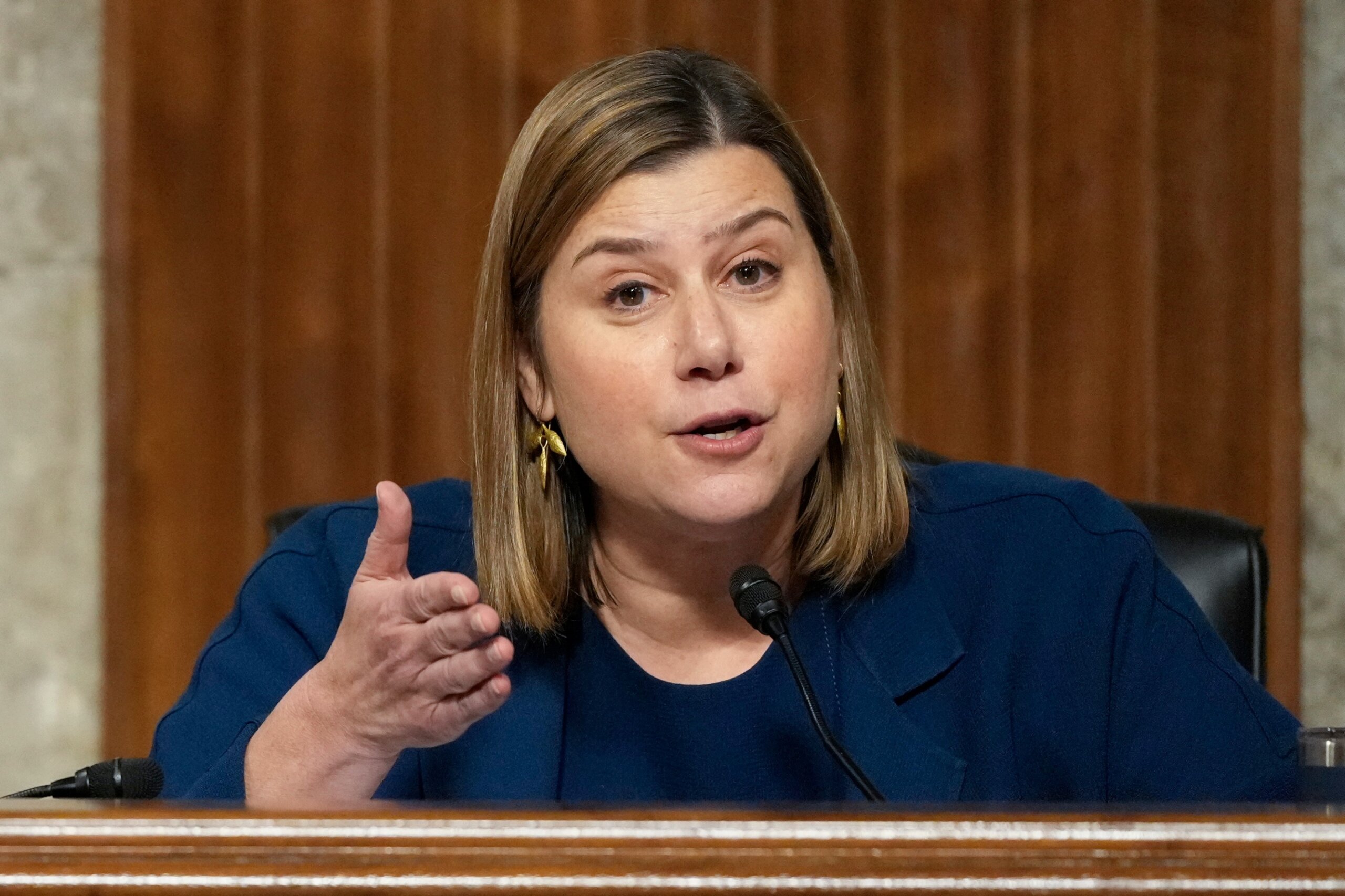
National security question trips up Sen. Darline Graham in South Carolina debate

WASHINGTON (AP) — Sen. Darline Graham, who is competing in next week’s runoff election in South Carolina, stumbled over a question about foreign policy in a debate on Tuesday night.

“Are Taiwan and the South China Sea national security issues for the United States and if so, why or how?” asked one of the moderators.

Graham started her answer by saying, “I’m just going to be honest here.”

“I’m not that informed on national security,” she said, then paused. “But I do support the military.”

Graham’s brother, Lindsey, died unexpectedly on July 11. She was appointed to fill his seat temporarily, and now she’s running in a special election for her own term. Her opponent is Rep. Ralph Norman.

Her answer was noteworthy because her late brother was known for his involvement in foreign policy, something that Graham mentioned in her answer.

“My brother was in the Air Force for 33 years so I will do everything I can to support the military,” she said. “My dad was in the Army. I’m not a polished politician up here, national security is not my thing, not my area of expertise, but I do support the military.”

Graham was endorsed by President Donald Trump. She and Norman advanced to the runoff in last week’s primary.


Analysis: The world Washington built is fraying. What comes next?

The United States is confronting a global security environment that increasingly resembles the outcome its Cold War adversaries once hoped to produce: a divided West, weakened alliances, economic exhaustion, multiple simultaneous wars and declining confidence in American leadership. That does not mean today’s crises were orchestrated according to some surviving Soviet master plan. The Soviet Union is gone, and the threats facing Washington now come from several different states with different interests. But the strategic effect is strikingly familiar. Early NATO assessments of Soviet intentions warned that Moscow sought to weaken the democratic powers, deny the West a secure European base and ultimately exhaust North America economically. Now, NATO says Russia is again trying to reconfigure the Euro-Atlantic security order through military force, sabotage, cyberattacks, coercion and disinformation. The difference is that much of the pressure now confronting the West is occurring simultaneously — and some of the damage to alliance cohesion is self-inflicted.
Read Next Story