
▶ Watch Video: Prince Charles tests positive for COVID
London — Camilla, the Duchess of Cornwall and the future Queen Consort of the U.K., has tested positive for COVID-19 and is self-isolating, the royal family said on Monday. The news came four days after Camilla’s husband, heir to the British throne Prince Charles, tested positive and went into self-isolation.
Charles and Camilla’s official residence, Clarence House, provided no further information on Monday about the royal couples’ symptoms, but their COVID status was sure to fuel concerns for the 95-year-old monarch as Queen Elizabeth II spent time with her son two days prior to his positive test.
Buckingham Palace has offered no further information on the queen’s health since Thursday, when it said she was showing no symptoms of a coronavirus infection. The palace rarely offers much detail on the queen’s health, citing privacy concerns, and hasn’t even confirmed whether she’s been tested for COVID since Charles tested positive.
Last week, as she carried on with public appearances while her husband self-isolated, Camilla said she was “luckily” still negative, having taken the test “so many times.”
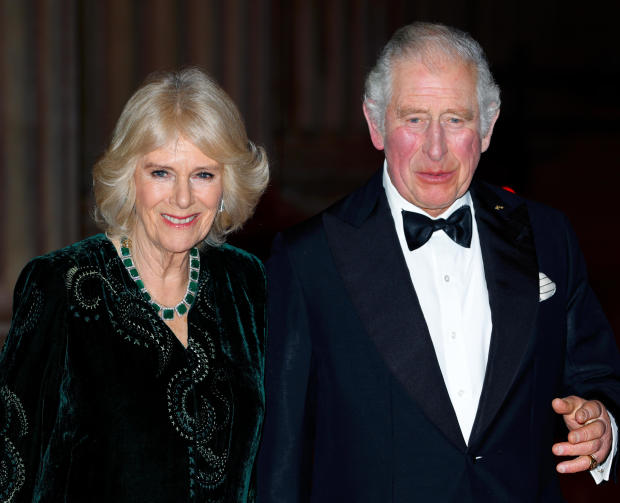
Camilla, Duchess of Cornwall, and Prince Charles, Prince of Wales, attend a reception to celebrate the British Asian Trust at the British Museum on February 9, 2022 in London, England.
Max Mumby/Indigo/Getty
COVID-19 infection rates in the U.K. remain high, but British health authorities no longer recommend confirmatory PCR tests after a positive rapid test result.
Charles, 73, caught COVID once before, at the start of the pandemic in March 2020. He only had mild symptoms that time. Camilla had not previously been infected with the virus.
The U.K. government recently lifted most of its COVID-19 restrictions, including the requirement to wear masks indoors. Last week, Prime Minister Boris Johnson announced that he would likely lift the only remaining restriction — for anyone who tests positive to self-isolate for at least five days — before the planned date in late March.
He indicated that England could be completely free of all COVID-restrictions by the end of February, assuming there’s no change in the trajectory of case rates and hospitalizations.
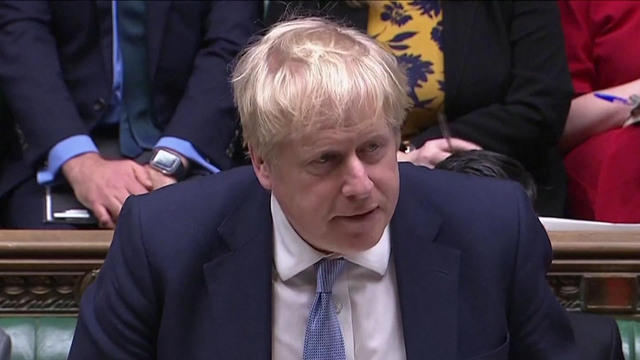
Some critics and scientists have said the move risks signaling to the public that the pandemic is over when cases are still surging across the country.
“Obviously in the same way [as for] someone with flu, we wouldn’t recommend they go to work,” Johnson said. “We would never recommend anyone goes to work when they have an infectious disease.”