Iran showed no sign of backing down Saturday in the standoff with the United States over the downing of a drone, insisting that it was ready to counter any threats or aggression against its territory.
Iranian Foreign Ministry spokesman Seyed Abbas Mousavi praised the Islamic Revolutionary Guard Corps (IRGC) for shooting down the unmanned US aircraft, the country’s Tasnim news agency reported.
“Regardless of any decision they (US officials) make, we will not allow the Islamic Republic’s territory to be violated,” Mousavi said. “Our decisions do not hinge on their decisions and we will counter any aggression whether it mingles with threats or not.”
After coming within minutes of military strikes on Iran in response to Iran’s action, Trump stepped back from the brink of a dangerous escalation in the standoff.
He said Friday he called off an attack because he decided there would be too many deaths for a proportionate response to the downing of the US drone.
“We were cocked & loaded to retaliate last night on 3 different sights (sic) when I asked, how many will die. 150 people, sir, was the answer from a General,” Trump tweeted. “10 minutes before the strike I stopped it.”
The President said he had imposed new sanctions against Iran. It was unclear what sanctions Trump was referring to.
The US’s standoff with Iran escalated on Monday, when the Trump administration announced the deployment of 1,000 additional troops and extra military resources to the Middle East.
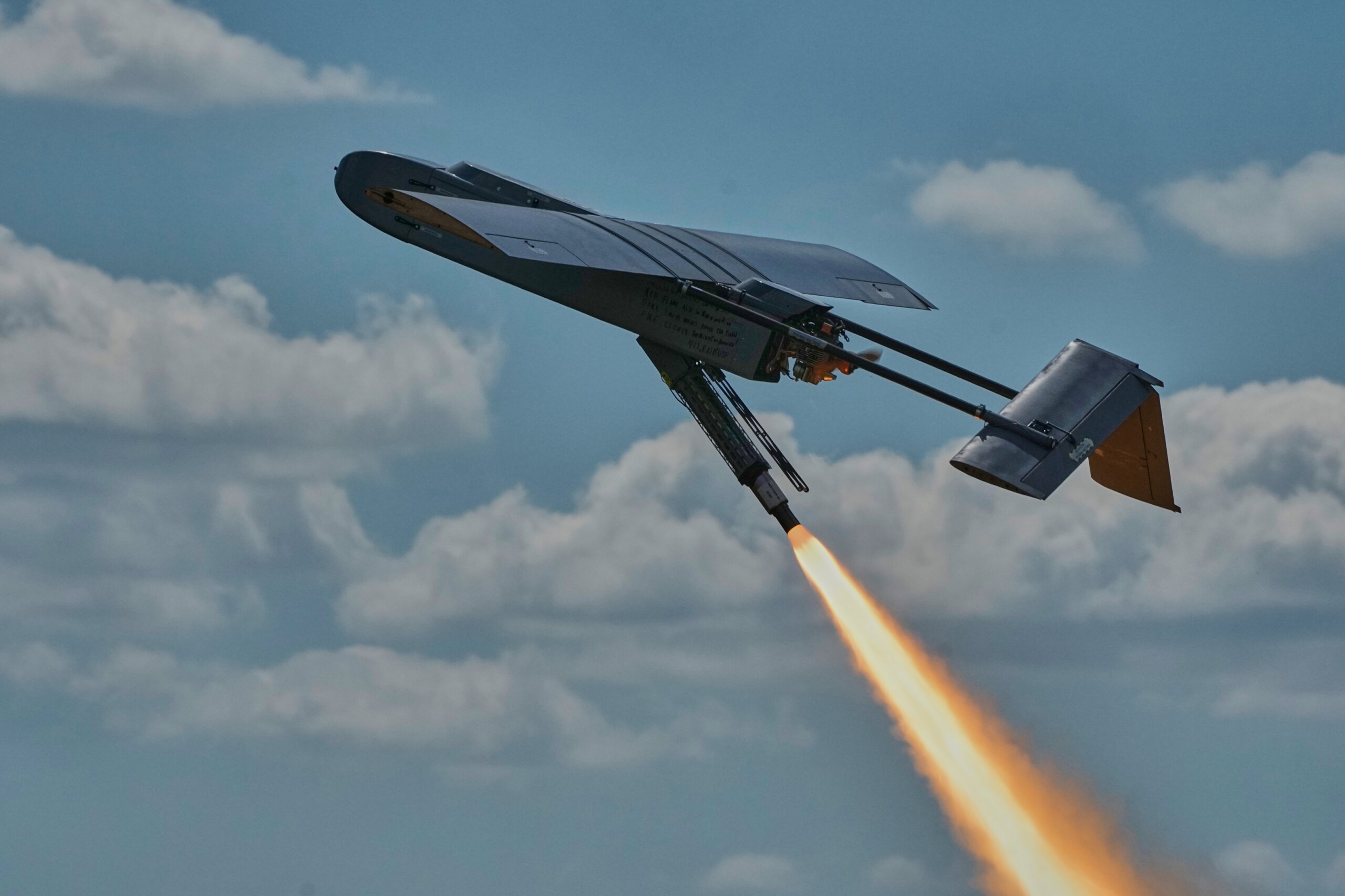
Tensions ratcheted even further on Thursday, when Iran’s Revolutionary Guard said it had shot down an “intruding American spy drone” after it entered into the country’s territory.
The location of where the drone was shot down has become a point of contention, with the Trump administration insisting the incident occurred in international airspace over the Strait of Hormuz.
The incident has left the President caught between Republicans demanding a response and congressional Democrats warning that Trump — and the Iran policy hardliners on his national security staff, who welcome the confrontation — could lose control of the situation and lead the US into war.
Trump’s dilemma
Senate Foreign Relations Chairman James Risch told reporters Friday that Trump did not tip his hand on which way he was leaning. Trump focused on “drilling down” on the differing perspectives and arguments leveled by the assembled lawmakers as he made the decisions on the attack in the Situation Room Thursday.
Trump’s own dilemma was met by a near unanimous national security team who felt the US should retaliate for a downed drone by striking Iranian targets. For the President, though, the answer was far from obvious. Ultimately, he pulled the plug on military strikes, minutes before the point of no return.
The US military targets would have been a limited set of Iranian radars and missile batteries, a US official with direct knowledge of the matter told CNN, who spoke on the condition of anonymity due to the sensitivity of the information. No US weapons had been launched when the decision was made to call it off.
In an interview with NBC Friday Trump went into more detail about his decision.
“I thought about it for a second and I said, you know what, they shot down an unmanned drone, plane, whatever you want to call it, and here we are sitting with a 150 dead people that would have taken place probably within a half an hour after I said go ahead, and I didn’t like it, I didn’t think, I didn’t think it was proportionate,” he said.
“Nothing was green lighted until the very end because things change,” Trump added. “We had something ready to go subject to my approval,” he added, saying planes were not in the air when he ordered the pull back, but “would have been pretty soon.”
“We had something ready to go subject to my approval,” he added. Planes were not in the air when he ordered the pull-back, he said, but “would have been pretty soon.”
“Things would have happened to a point where you would not turn back, you could not turn back,” Trump said.