A swarm of bees interrupts a Cricket World Cup match

From afar, it looked like players were taking a group nap in Durham, England, at the Cricket World Cup on Friday. But the Sri Lankan and South African cricket teams weren’t resting. Rather, a large swarm of bees decided to join in on the fun at the group stage match.

X

To view this content from @SkyNews on X, click here.

The bees descended just as Sri Lanka’s Isuru Udana and Suranga Lakmal were batting and South Africa’s Chris Morris was completing his over, bringing the game to a halt. While other players laid on their stomachs as the bee situation got sorted out, Morris took the chance to get in a workout, doing some planks and push-ups. After the bees were cleared, South Africa ended up taking home a nine-wicket victory in the largely one-sided contest. This isn’t the first time that bees have halted a cricket match between the two teams. The same incident happened two years ago in Johannesburg.
Analysis: The world Washington built is fraying. What comes next?

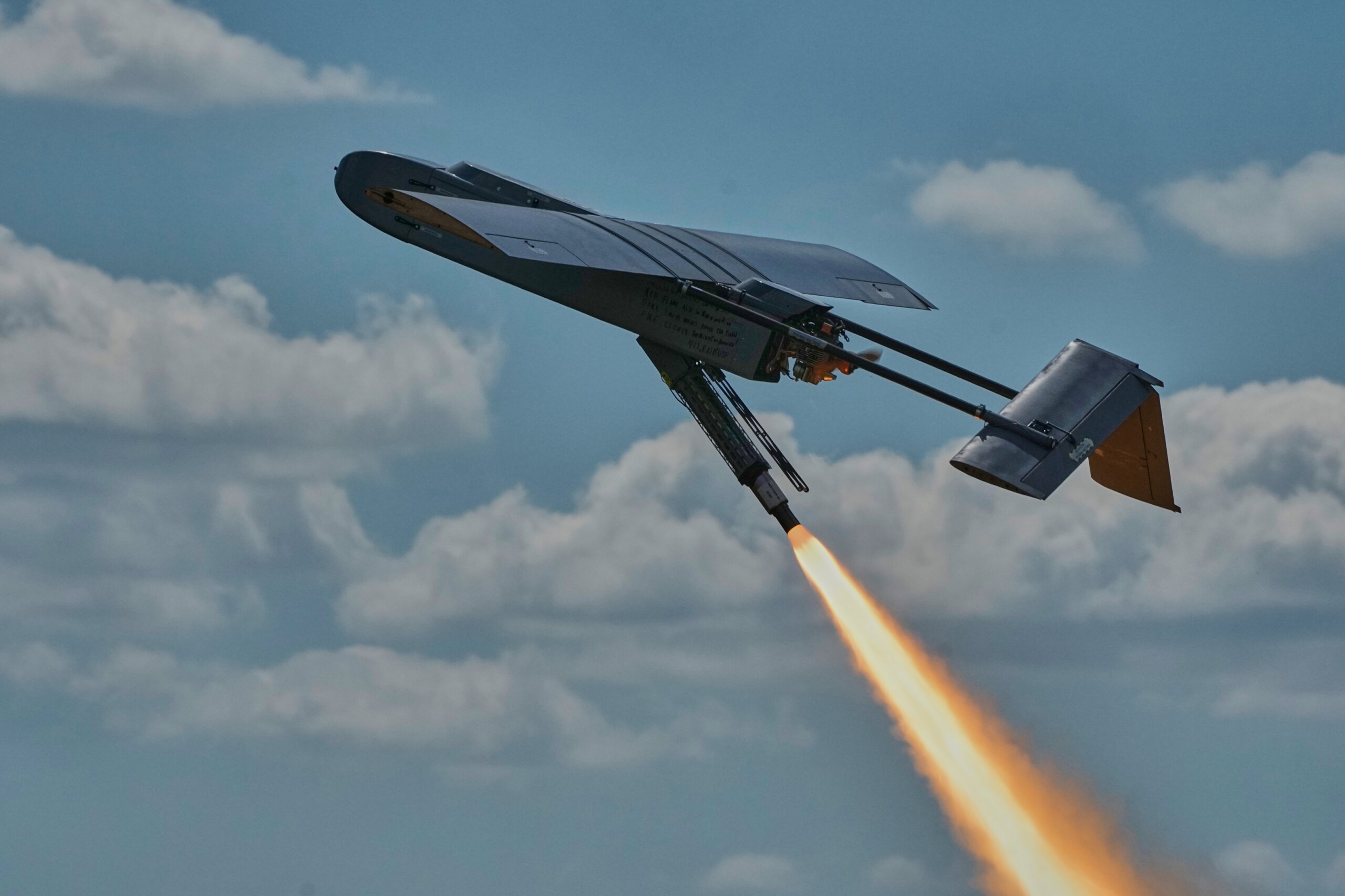
The United States is confronting a global security environment that increasingly resembles the outcome its Cold War adversaries once hoped to produce: a divided West, weakened alliances, economic exhaustion, multiple simultaneous wars and declining confidence in American leadership. That does not mean today’s crises were orchestrated according to some surviving Soviet master plan. The Soviet Union is gone, and the threats facing Washington now come from several different states with different interests. But the strategic effect is strikingly familiar. Early NATO assessments of Soviet intentions warned that Moscow sought to weaken the democratic powers, deny the West a secure European base and ultimately exhaust North America economically. Now, NATO says Russia is again trying to reconfigure the Euro-Atlantic security order through military force, sabotage, cyberattacks, coercion and disinformation. The difference is that much of the pressure now confronting the West is occurring simultaneously — and some of the damage to alliance cohesion is self-inflicted.
Read Next Story