Some people worried about COVID-19 exposure are avoiding hospitals despite potential emergency situations, prompting one Virginia doctor to advise against delaying treatment.
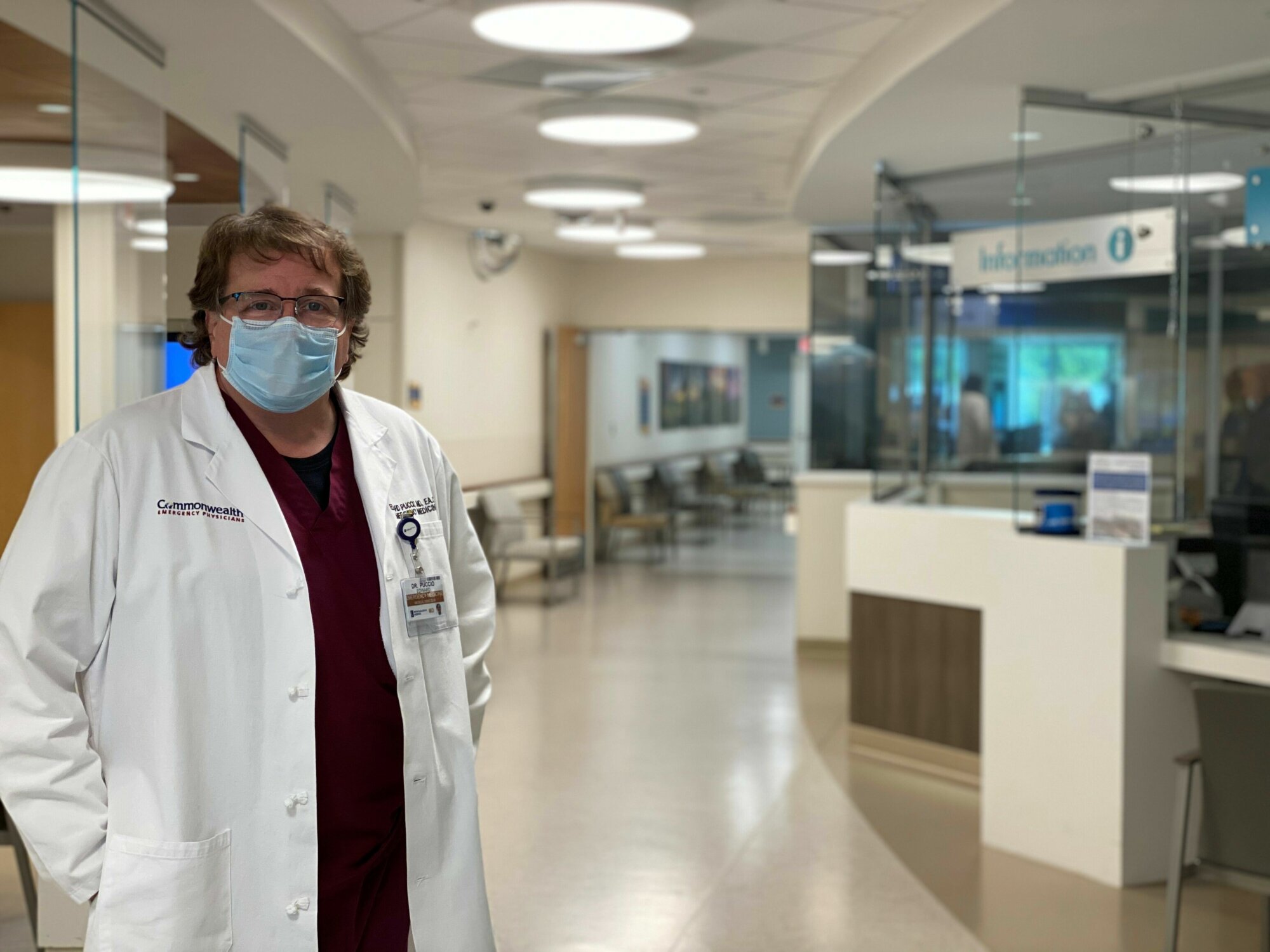
“I do get texted now routinely on injuries, such as gaping lacerations, asking if they need to be seen in the hospital, and they clearly need stitches,” said Dr. Edward Puccio, a fellow of the American College of Emergency Physicians and medical director of the Department of Emergency Medicine at Inova Loudoun Hospital.
Puccio said photos of swollen ankles and wrists offer no insight into whether someone who has fallen has a fracture.
“We have worked for many years to make people understand that minutes matter in stroke and in heart attack, that time is brain, time is heart muscle,” Puccio said.
But now he believes that awareness is of less concern to people who are so worried about the coronavirus.
“Some people are high-risk; some of them are low-risk, but in the past they would all get evaluated,” Puccio said.
The doctor said the delay in diagnosis or treatment far outweighs the risk of catching COVID-19 in the emergency department or the hospital.
Great lengths are being taken to minimize COVID-19 exposure to people seeking care. The emergency department waiting room at Inova Loudoun Hospital is deliberately kept free of patients.
In a process called direct bedding, patients are greeted at the front driveway area, immediately given masks and screened.
Puccio said patients who need procedures, such as X-ray, CT scan or blood work, are directed inside to a general care area.
Much as has happened elsewhere within other health systems, every Inova Health System Hospital has a temporary, auxiliary screening unit at the entrance to emergency departments for probable or suspected COVID-19 cases.
Patients with respiratory complaints or fevers are immediately taken to a respiratory care area.
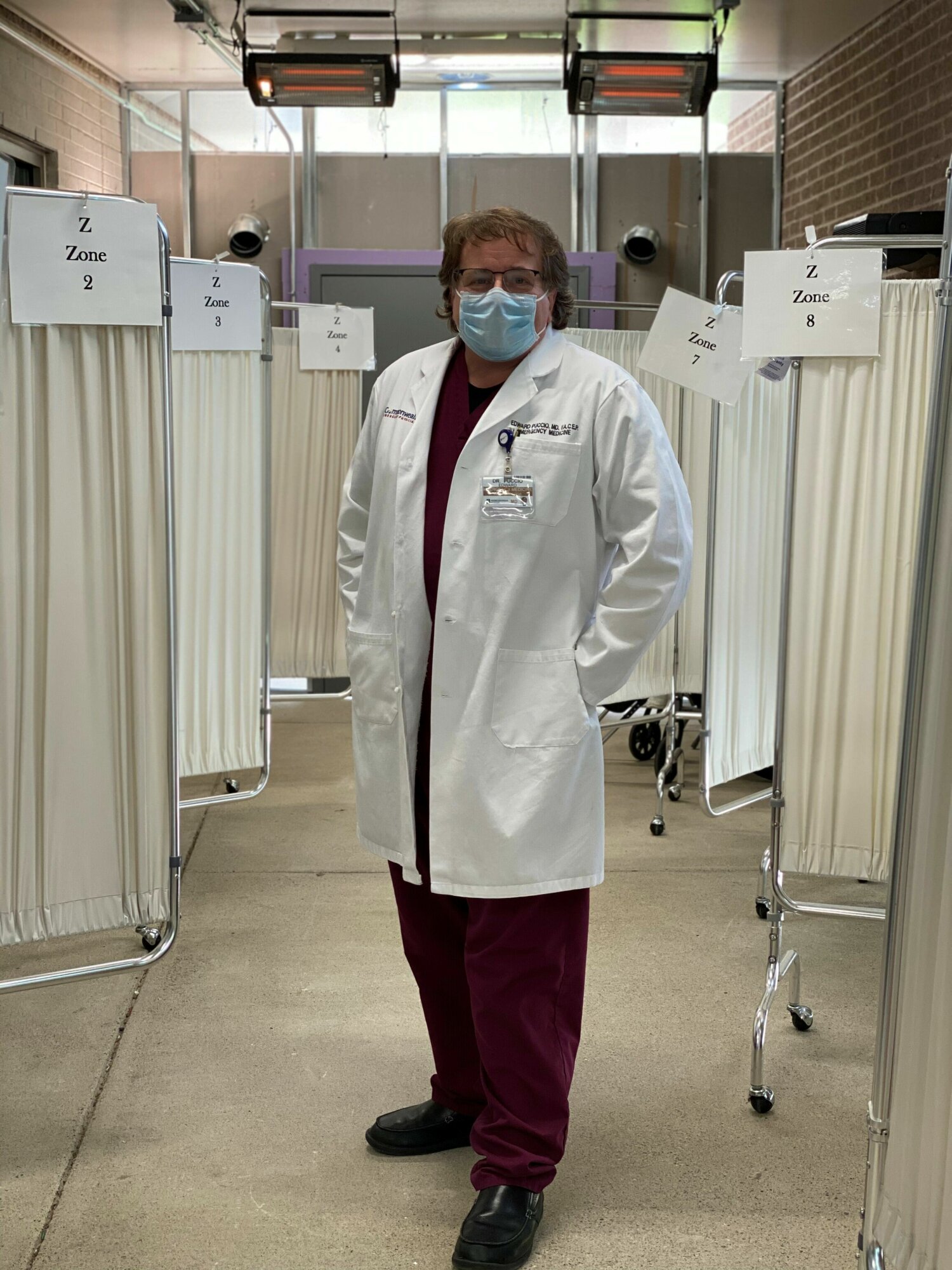
People with minor ailments suggesting that they might have mild or early indications of COVID-19, such as a cough or sore throat, can be evaluated quickly in the auxiliary screening unit.
If their examination suggests they might have COVID-19, if they have abnormally low blood-oxygen levels, for example, they are sent to a separate designated door that goes directly into the respiratory care area of the emergency department.
Patients do not even pass through the waiting area.
“We have very consistently been able to keep people out of the waiting room,” Puccio said.
People in the auxiliary screening unit who could potentially be discharged quickly are evaluated, and perhaps sent back outside to wait in their cars or at socially distanced benches.
Patients found to be stable enough to wait outside are contacted by cell phone about things, such as strep throat test results, prescriptions or discharge instructions.
“You should have no concerns about coming to the emergency department and checking in, being screened and being evaluated inside your private emergency department room,” Puccio said.
- Sign up for WTOP alerts
- Latest coronavirus test results in DC, Maryland and Virginia
- Coronavirus FAQ: What you need to know
- Coronavirus resources: Get and give help in DC, Maryland and Virginia
- Convention center transformed into alternate care site as part of DC coronavirus response
- Arlington salon owner ‘devastated’ Northern Va. may not be included in Phase 1 reopening
Looking for more information? D.C., Maryland and Virginia are each releasing more data every day. Visit their official sites here: Virginia | Maryland | D.C.