One of the reasons Washington Commanders owner Josh Harris said he wanted to bring the football team back to D.C. goes beyond nostalgia and gets to logistics.
Related stories
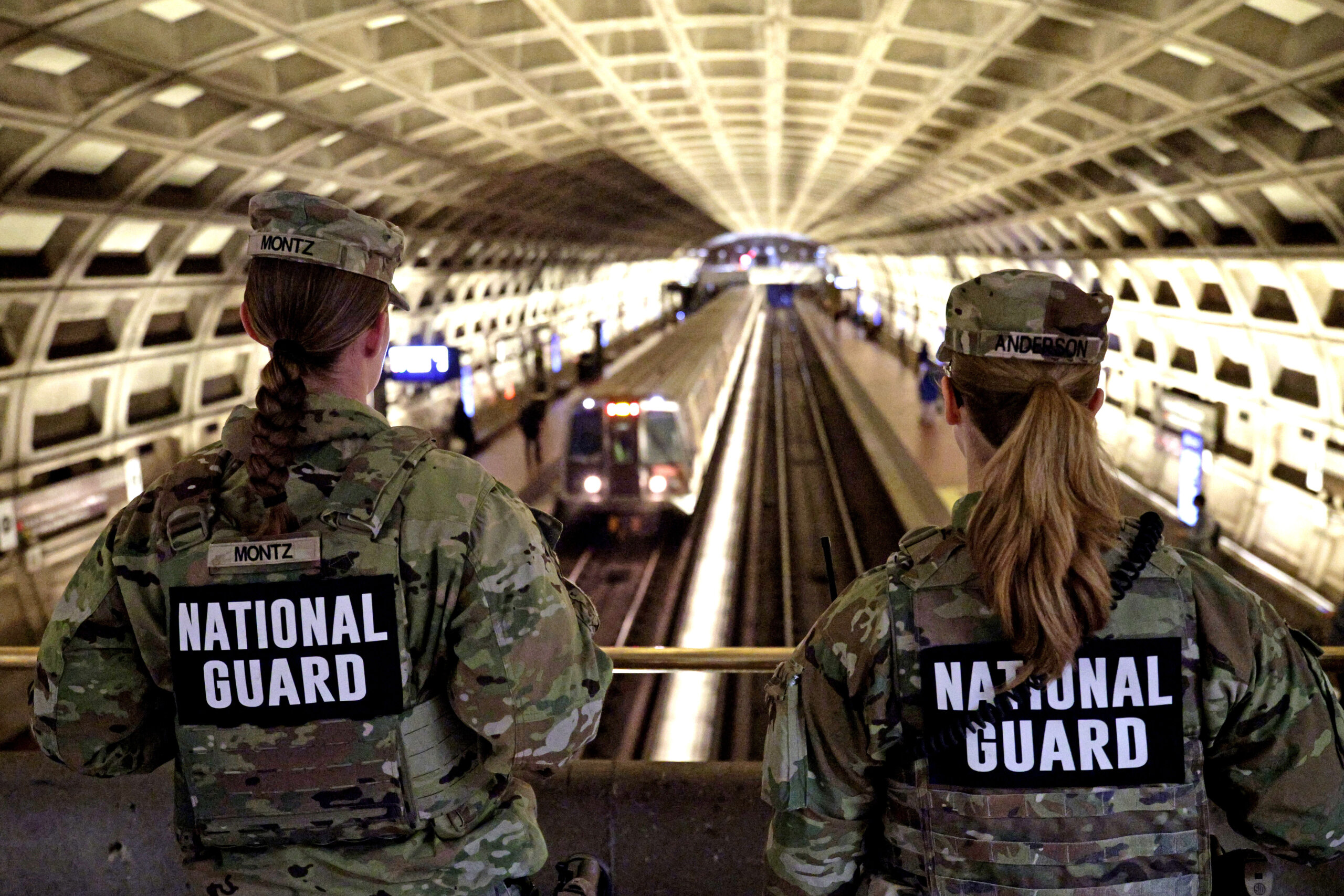
“The centrality of that location, in terms of its proximity to the seat of government,” he said during a Monday news conference. “As well as the experience of a city stadium, like walking there and taking the Metro.”
But that raises the question of whether the future project, with its stadium, retail, housing and recreation facilities, could be supported by the current Stadium Armory Metro stop.
In an interview with WTOP, D.C. Mayor Muriel Bowser said the current metro station served the original RFK Stadium in a more “car-centric” era. She noted that now, Washingtonians and visitors use light rail, bikeshare, scooters and more methods to get around.
“Just like the Anacostia Waterfront initiative envisioned 20 years ago, we may be looking to expand other transit options,” she said.
After the announcement about the stadium deal Monday, Metro General Manager Randy Clarke told WTOP, “We have a current station that obviously was there to support the old stadium.”
He noted the Blue, Silver and Orange lines serve the Stadium-Armory station.
As to whether there are currently plans to add a second station, Clarke said, it’s “very premature” given the ongoing approval process. Clarke added that there’s long been discussions about adding a station near the Oklahoma Avenue and Benning Road area.
“The question is, what is absolutely needed, and if other things are needed, when are they needed? How much do they cost? When do they have to be invested in?,” Clarke said. “Quite frankly, partnerships and collaboration are what put all those plans together.”
As part of the deal, which still needs to be approved by the D.C. Council, the District would invest $202 million toward roads, infrastructure and a study by the Washington Metropolitan Area Transit Authority.
Clarke said Metro’s role is that of a partner, and that Metro excels at moving large numbers of people to major events.
“I think we’re pretty good at moving a lot of people very efficiently and way, way better than cars,” Clarke said. “What I’m excited about here is this is arguably going to be the best transit connected stadium in America, and I think you know that means less cars, lot more activity, lot more enjoyment for the whole campus as well, via Metro.”
Get breaking news and daily headlines delivered to your email inbox by signing up here.
© 2025 WTOP. All Rights Reserved. This website is not intended for users located within the European Economic Area.