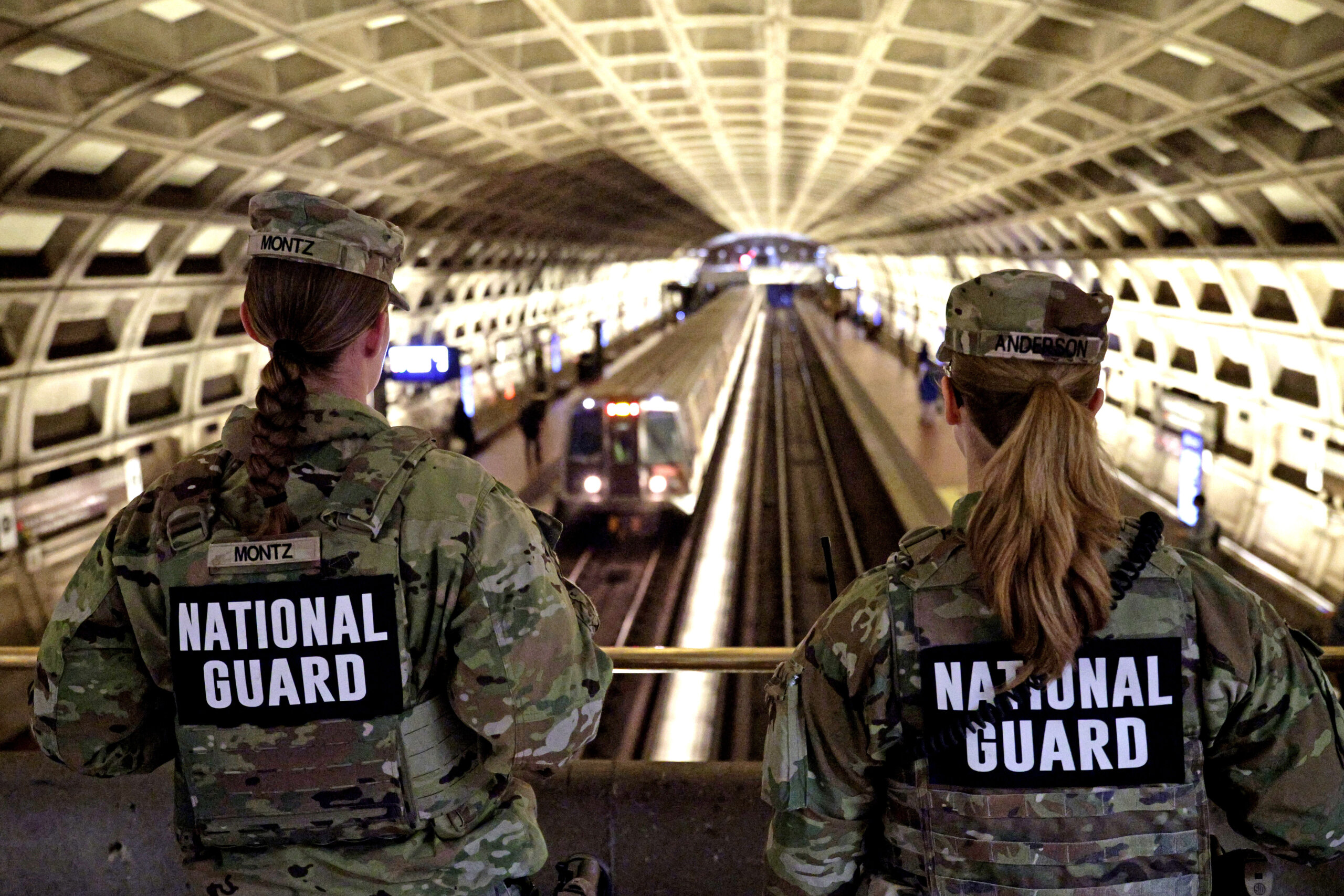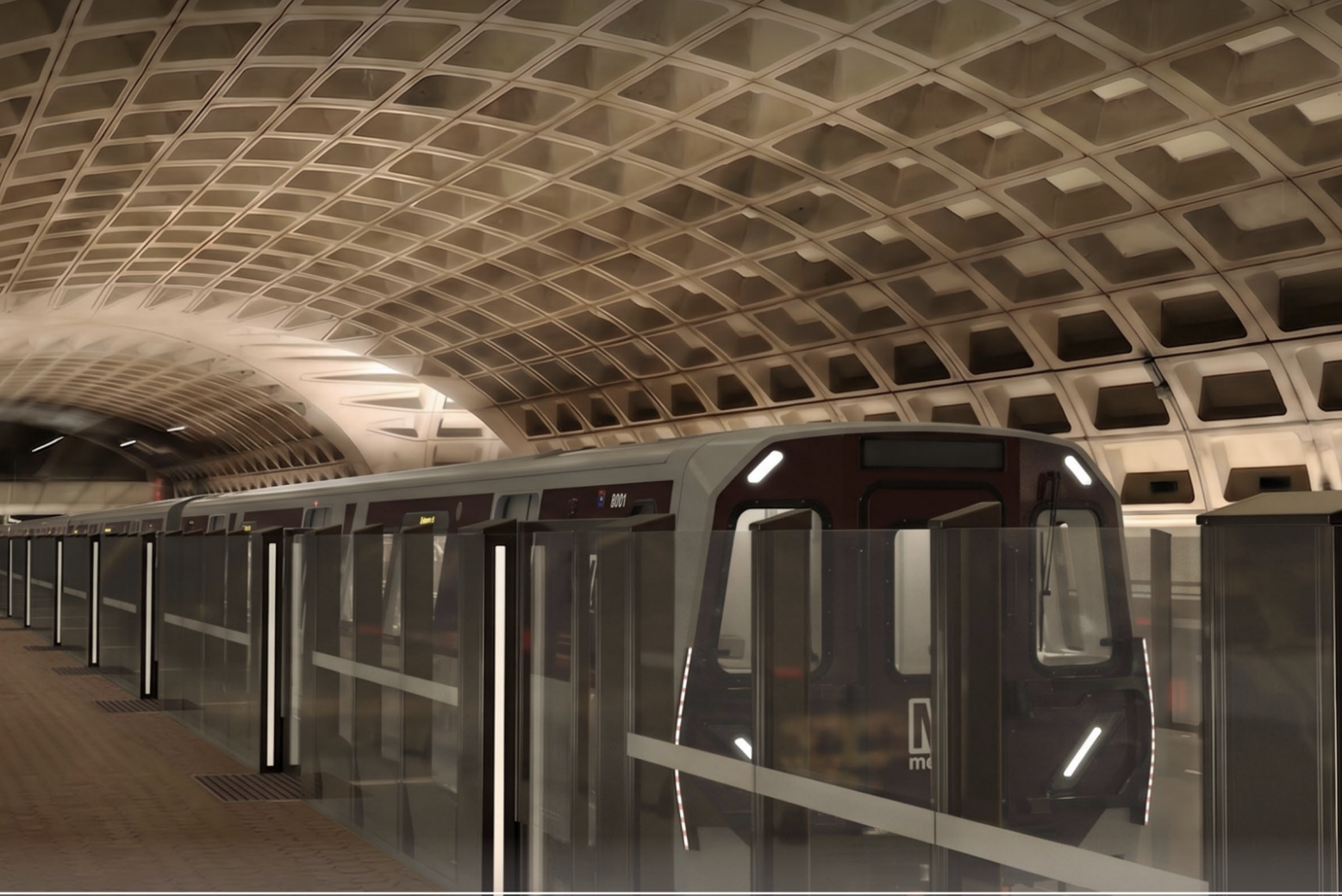
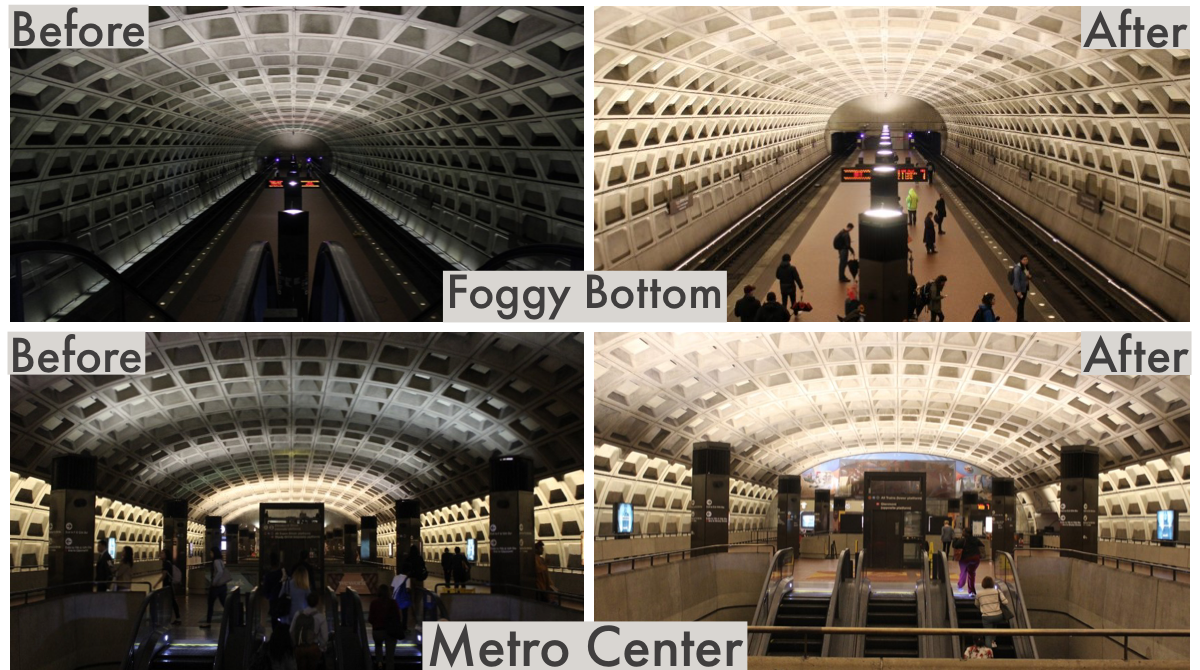
If D.C.’s subterranean stations look brighter as of late, it’s not just you: The Washington Metro transit system says it has completed work to install brighter, more energy-efficient lighting a year ahead of schedule.
The new LED lighting, present on platforms, track beds, pylons and parapets, will reduce annual energy consumption by about 24,000 megawatts while shining about 10 times brighter, the Washington Metropolitan Area Transit Authority said Tuesday.
“The transition to better, more energy-efficient lighting represents Metro’s broader approach to sustainability, to look long-term at what is best not only for Metro customers but for the region,” Metro chief Paul Wiedefeld said.
“The cost savings are critical at a time when the region is facing financial uncertainty with COVID-19 and also furthers our commitment to reducing energy use and the region’s carbon footprint.”
Work was originally slated to last up to three years across all of Metrorail’s 48 underground stations. Difficult positioning of old lighting fixtures posed a challenge and led to single-tracking and some station closures, Metro said. But crews worked overnight and weekends to complete the wiring work a year earlier than planned.
Metro will pivot to completing upgrades to the exterior station parking, including in parking lots, bus bays and along walkways at the Brookland, Congress Heights, Deanwood and Fort Totten stations. The rail operator aims to finish installation by late September.