The start of June marked meteorological summer while astronomical summer starts for the northern hemisphere on June 20, 2025, at 10:42 p.m. EDT. Known as the summer solstice, it is the astronomical end of spring and start of summer.
Related stories
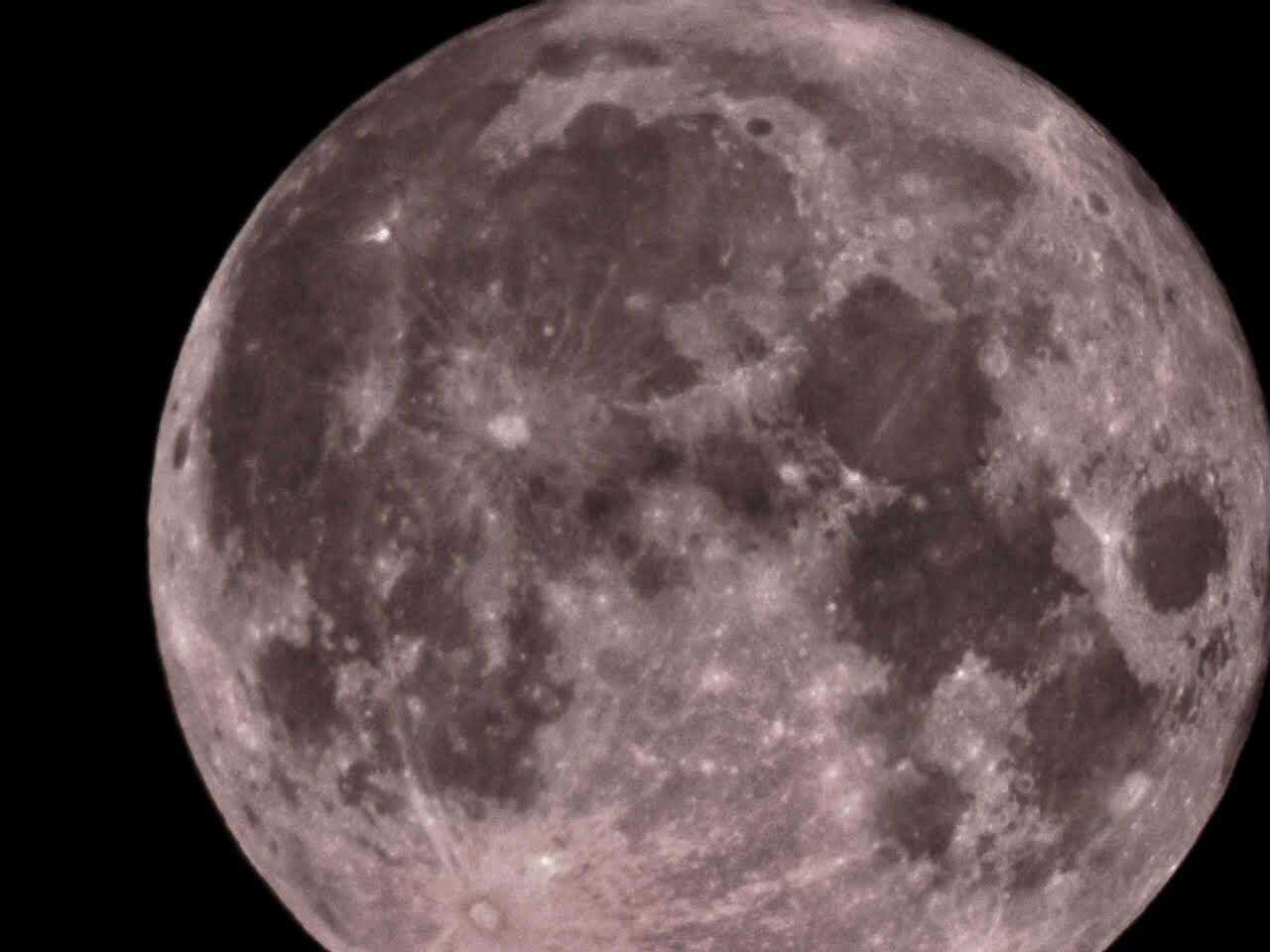
The last full moon of spring, the full strawberry moon, occurs on June 11, 2025, at 3:44 a.m. EDT. But this year’s full strawberry moon will mark the moon’s lowest path in the sky since 2006. This is occurring because the moon is undergoing a major lunar standstill.
Watch the moon rise in the southeast at sunset on June 10, 2025, as it might be an impressively colored moonrise — deep orange and/or reddish. Try to find a clear view of the horizon and/or a favorite landmark to watch the moon rise — I don’t think you will be disappointed! Take a picture too!
As the night progresses, the moon will be at its highest at midnight and low in the southwest as it is setting around sunrise.
You will also notice a bright reddish colored star near the moon. That is the red giant star Antares — the heart of Scor-pius, the Scorpion.
June is full of grand sky sights and earthbound happenings. Get out and enjoy them.
Follow Greg Redfern on Facebook, Bluesky and his daily blog to keep up with the latest news in astronomy and space exploration.
Get breaking news and daily headlines delivered to your email inbox by signing up here.
© 2025 WTOP. All Rights Reserved. This website is not intended for users located within the European Economic Area.