Amateur astronomers take note: There’s a new dark sky place to see the stars.
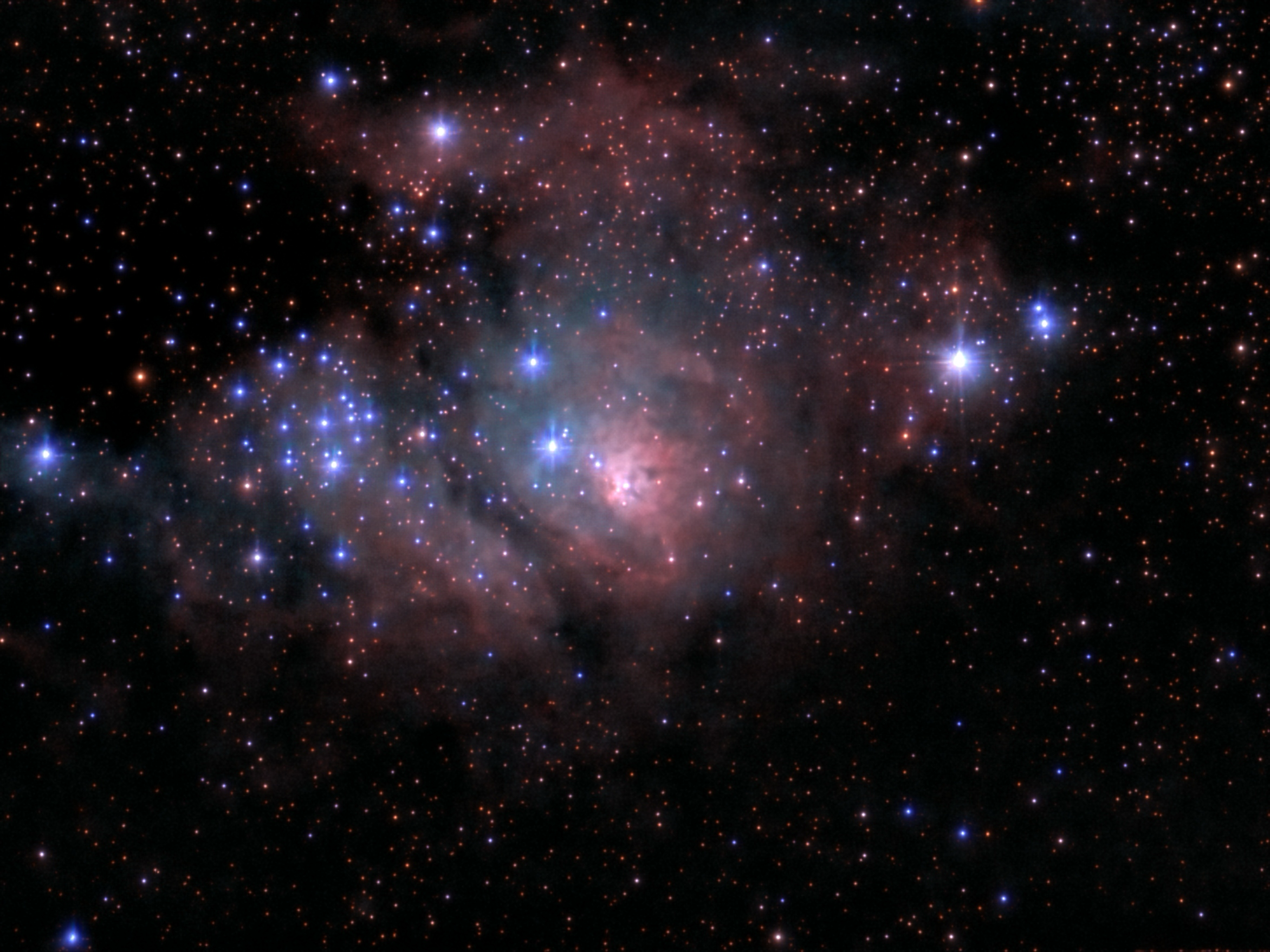
Waterton-Glacier International Peace Park is now certified as an International Dark Sky Park, after meeting lighting requirements set by the International Dark Sky Association.
The park, which comprises Waterton Lakes National Park in Canada and Glacier National Park in Montana, installed dark sky-friendly lighting to reduce light pollution and provide visitors with a clear view of the night sky, the National Park Service said in a statement on Thursday.
Officials installed LED streetlights and dark sky-friendly fixtures and bulbs throughout Waterton-Glacier International Peace Park, and have plans to add more, according to the park service.
“The dark skies in the Waterton-Glacier International Peace Park truly are spectacular,” said Ron Hallman, president and CEO of Parks Canada. “Designation of the Peace Park as the world’s first international transboundary Dark Sky Park shows the world our commitment to protecting the environment, while offering opportunities for visitors to connect with nature, even at night.”
Waterton Lakes National Park in Alberta and Glacier National Park in Montana were combined in 1932 to form the world’s first International Peace Park. UNESCO has declared the combined park a World Heritage Site in 1995.
Waterton-Glacier International Peace Park is renowned for its scenic prairie, forest, alpine and glacial features, as well as its rich plant and animal life. But now visitors will also be able to enjoy the view up.
“Dark night skies are an important wilderness characteristic at Glacier National Park,” said Pete Webster, acting superintendent for the park. “Clearly seeing the expanse of the universe increases a person’s sense of solitude well beyond that of the terrestrial landscape. A Dark Skies designation aids International Peace Park visitors in finding their own wilderness solitude.”
With this certification, Parks Canada now has 12 locations that are dark-sky certified.
Besides improving the view of the night sky, Dark Sky Park certification raise awareness about light pollution and reduces energy waste, according to the park service.
The certification also offers ecological benefits. Artificial light harms nocturnal animals because several species require darkness for foraging, mating and migration, the park service said.
While scientists have tools and technology to study the sky and its treasures that earlier researches throughout history never had, light pollution makes it difficult, if not impossible.
In 2016, a study in Science Advances magazine found a majority of US and European citizens could not see the Milky Way at night because of artificial light.