The US is escalating cyber attacks on Russia’s electric power grid and has placed potentially crippling malware inside the Russian system, The New York Times reported Saturday.
The placement of the malware that deep within the Russian grid had never previously been attempted, the Times reports, and is intended partly as a warning and also to put the US in a position to conduct cyber attacks should a significant conflict arise with Russia.
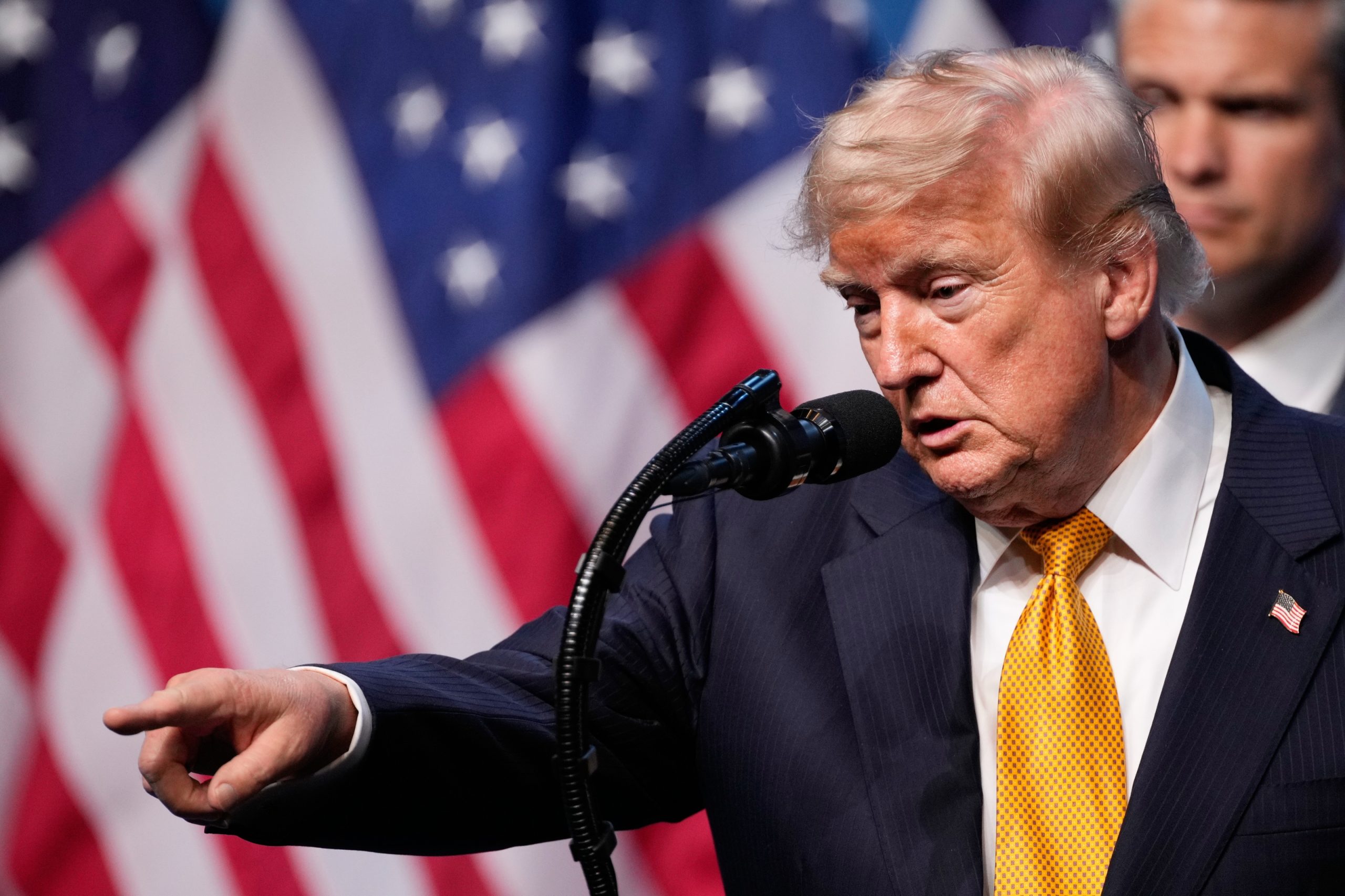
Two administration officials told the Times they believed President Donald Trump had not been briefed in any detail about the US computer code being implanted inside the Russian grid.
Pentagon and intelligence officials describe to the Times “broad hesitation” to tell Trump about the details of the operations against Russia. They tell the Times there was concern over how Trump would react, and the possibility that Trump might reverse the operations or discuss it with foreign officials.
In 2017, Trump shared highly classified information with the Russian foreign minister and Russian ambassador to the US in a White House meeting, The Washington Post first reported and CNN later confirmed.
In interviews with current and former government officials over the past three months with the Times, officials describe the deployment of US computer code into Russia’s grid and other targets as part of a shift to a more offensive strategy.
The incursion into the Russian electric power grid seems to have been conducted under new legal authorities in the military authorization bill passed by Congress last year, the Times reports. Under the law, the defense secretary can authorize, without special presidential approval, routine “clandestine military activity” in cyberspace, according to the Times.
Trump issued new authorities last summer to the United States Cyber Command, which is part of the Pentagon and runs the US military’s defensive and offensive online operations, the Times reports. The classified document gives the commander of Cyber Command, Gen. Paul Nakasone, the power to conduct offensive online operations without needing presidential approval.
The Trump administration declined to describe to the Times specific actions it was taking under these new authorities.
Current and former officials tell the Times the US has put reconnaissance probes into the Russian grid since at least 2012.
Nakasone and White House national security adviser John Bolton declined, through spokesmen, to answer questions from the Times about the incursions, and the White House did not respond to CNN’s request for comment.
Officials at the National Security Council declined to comment to the Times, but said they had no national security concerns about the details of the Times’ reporting.