The company behind Pop-Tarts is bringing back a gingerbread flavor for the holidays, and offering crafters a chance to win $15,000 for the best gingerbread house constructed with the breakfast pastries.
To enter the contest, build your Pop-Tarts gingerbread house and post a picture on Twitter or Facebook with the hashtag #GingerbreadPopTartEntry.
Additional rules are posted online.
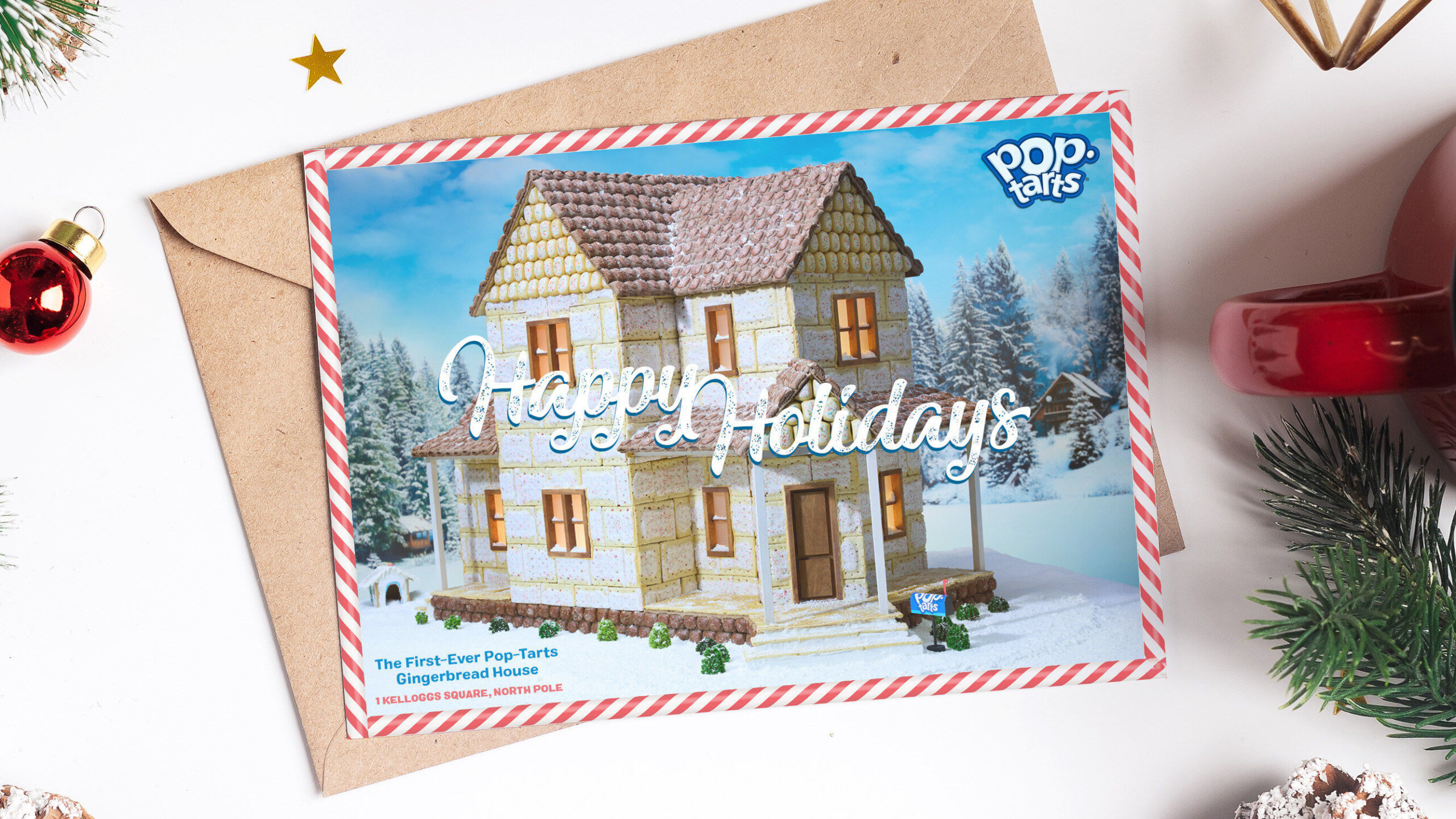
The competition marks the return of Gingerbread Pop-Tarts after nearly a decade off store shelves, this time with white icing and designs.
“Rather than building the same quaint, cookie-cutter gingerbread houses this year, we hope families will consider a crazy good renovation instead,” said Heidi Ray, senior director of marketing and portable wholesome snacks, said in a news release. “We are reintroducing Gingerbread Pop-Tarts to inspire a new era of gingerbread house building that’s modern, memorable, and most importantly, delicious.”
If you need some inspiration, Pop-Tarts teamed up with home-listing service Zillow to list a Gingerbread Pop-Tarts house on the site, complete with cookies n’ crème kitchen countertops, frosted brown sugar cinnamon sofa and chocolate fudge reading nook.
The gingerbread house contest is open to people 13 and older and runs through 11:59 p.m. Eastern on Dec. 16.