



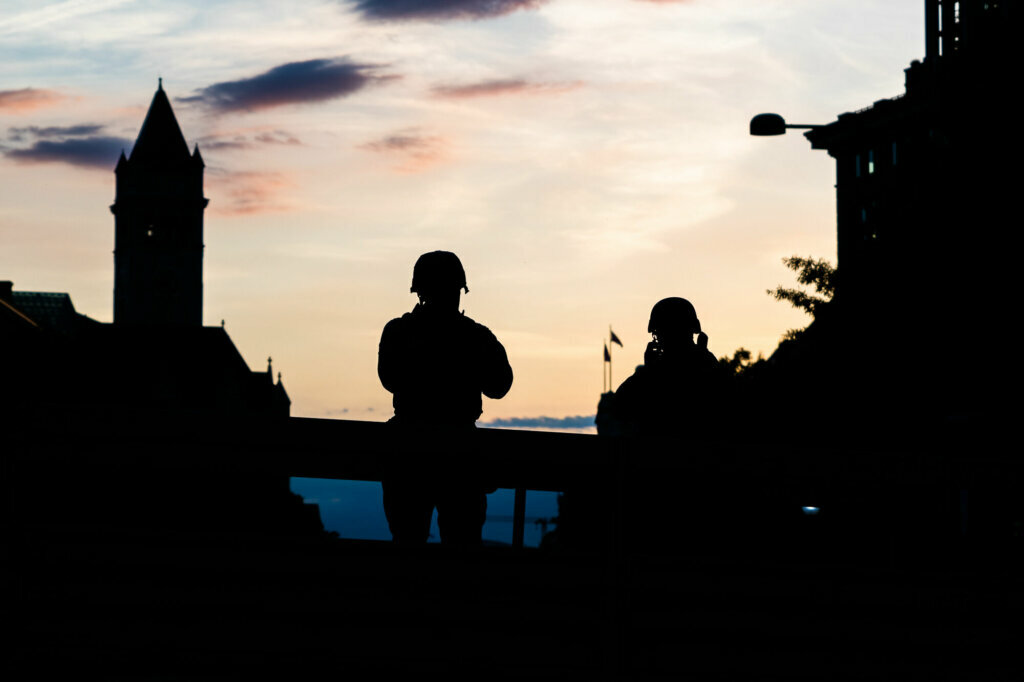


Washington, D.C., is no stranger to protest. Whether it be recordbreakers like the original Women’s March, recurring rallies like March for Life or perennial encampments like the White House Peace Vigil, you’d be hard pressed to find a day without at least some group winding between the peculiar blend of brutalist and Greco-Roman architecture that defines the nation’s capital — at least, when we’re not in the midst of a global pandemic.
The death of George Floyd in Minneapolis ignited a wave of outrage that took a markedly different and unpredictable path than the hundreds of protests I’ve covered in the District since 2012, the vast majority of which are transient. Within a day or so of the Women’s March, for instance, the city went back to its usual business with no trace of the hundreds of thousands who’d overwhelmed it.
At times, this one felt like a rebellion. One whose effects will no doubt linger in D.C. — physically, socially and politically — not least in its push for police reform, mounting tension between local and federal governance as well as its snap mobilization of local organizers and volunteer-driven support networks.
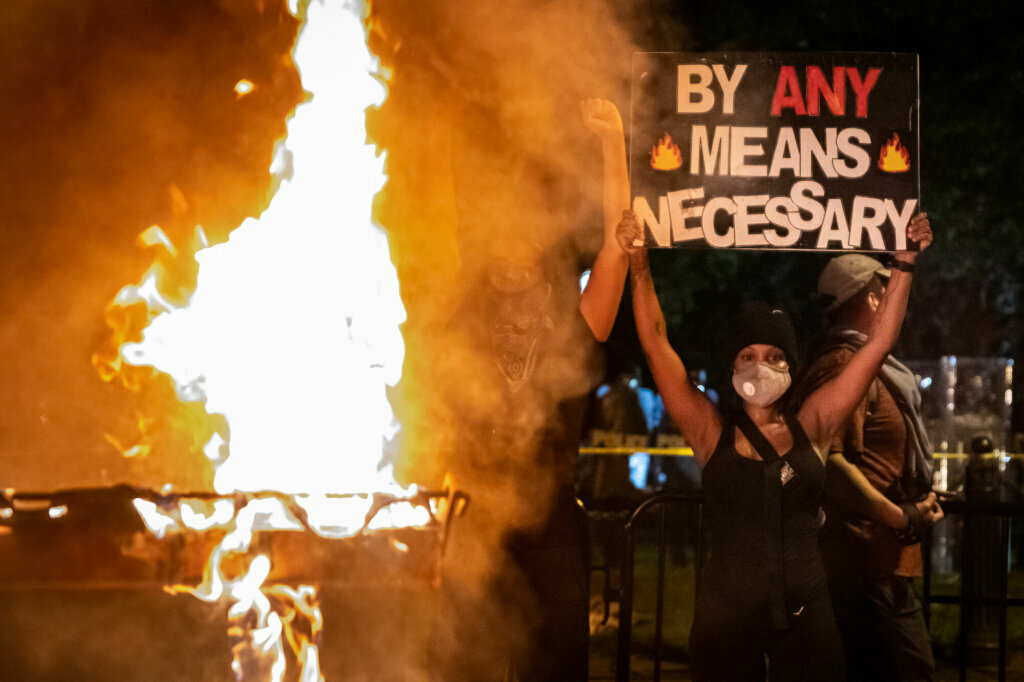
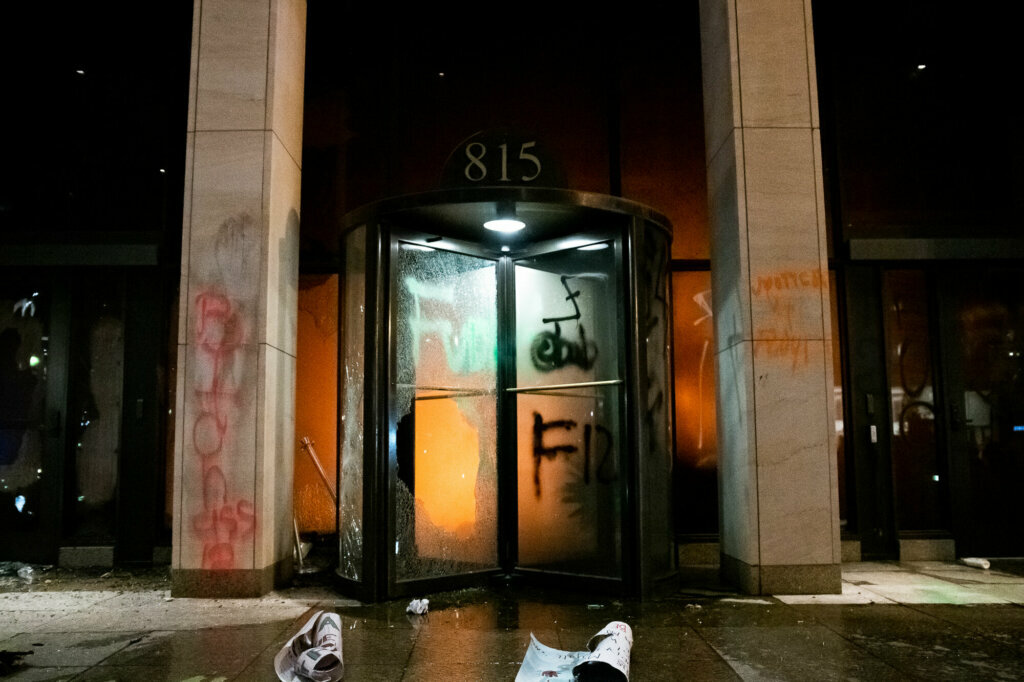
For 10 days between March 29 and June 8, I covered nearly constant street actions both peaceful and confrontational. These protests will be remembered as a period of stark contrast.
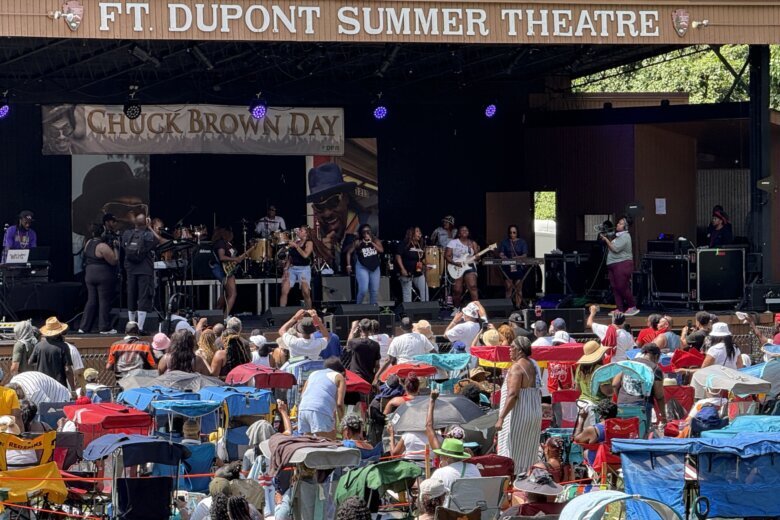
In a matter of days, tear gas and burning vehicles were replaced with ice cream trucks, block parties and free lunch courtesy of D.C. chef Jose Andres. What had been a fiery, largely decentralized release of pent-up anger transitioned into a festival-like celebration of black joy just as quickly as it had come.
In the wake of looting and clashes with police, peaceful marches crisscrossed the city, often with no clear leader or destination. Yet for many who came to frequent the newly-christened Black Lives Matter Plaza, stuck in self-isolation for months watching viral videos of police brutality, that didn’t matter: They just needed a place and a time.
See more of Alejandro Alvarez’s coverage of the protests on his Twitter account. Here are two threads capturing some of the pivotal moments from the protests:
Warning: Photos may contain strong language.