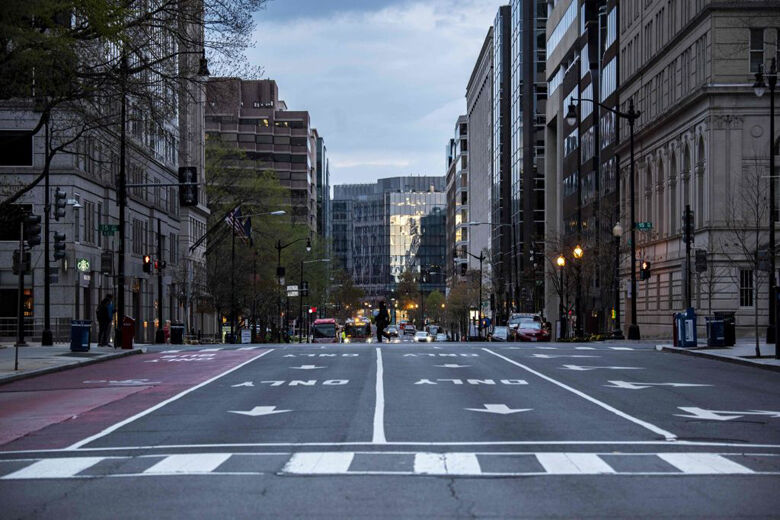
The hospitality industry accounts for 50% of the District’s sales tax revenue, and the coronavirus pandemic’s impact on hotels, restaurants, bars and other hospitality-related industries has been significant for D.C.
The District Office of the Chief Financial Officer reports hotel tax collections in August were about 10% of their prior year level, and restaurant tax collections were down 33% from last August.
Those numbers derailed the fiscal 2020 revenue forecast, although it was expected.
The Office of Revenue Analysis originally estimated sales tax revenue for fiscal 2020 would be $1.7 billion, 6.6% over a strong fiscal 2019. In February, that forecast was reduced only modestly, but the city now expects 2020 sales tax collections will be $1.2 billion, $500 million less than the original forecast.
In August, the number of room-days sold at hotels in D.C. was down 80.1% from a year ago, and room rates were down 15.2%.
Food services employment was 39.6% less than in August 2019, and hotel employment was down 61.2%.
The number of air passengers at D.C.-area airports declined 74.6% in July, the most recent month for which data is available.
Retail sales in the District, less exposed to tourism and commuter spending, averaged about 90% of 2019 levels this year,
Read the full report, which also includes employment, wages and housing data.