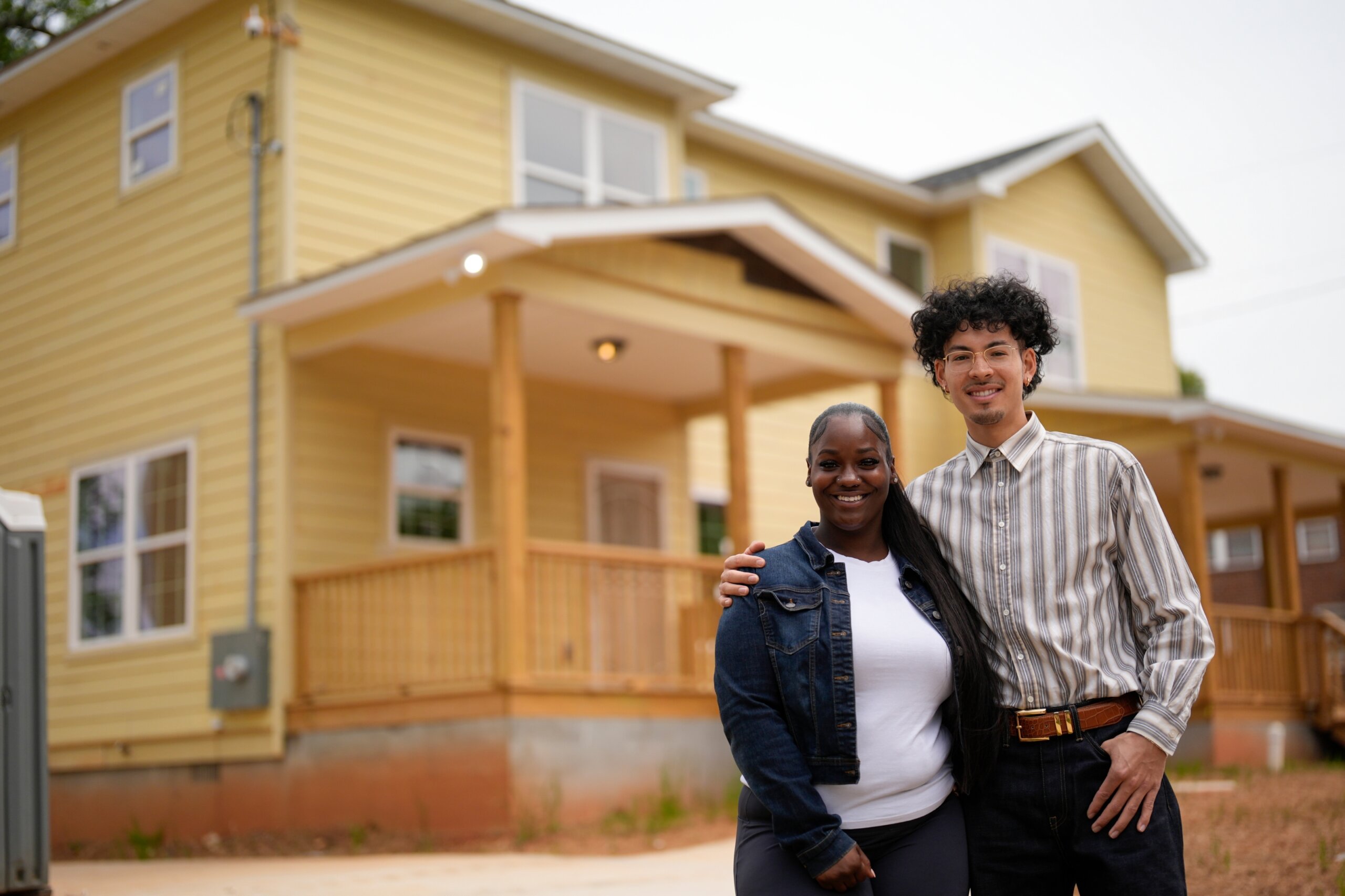
Bigger isn’t always better, especially as homeowners rethink how they use their space. Tiny homes are quickly becoming one of the most popular ways to add flexibility and value.
Jon Grishpul is the co-owner of Maxable Space — a free resource and helpful guide for anyone looking to build their own ADU, or accessory dwelling unit.
An ADU is sometimes referred to as a tiny home and the term refers to a smaller, secondary home located on the same lot as a primary residence.
“It’s a fully independent living space, so it has a kitchen, a full bathroom and a bedroom,” Grishpul said.
The idea of a granny flat, carriage home, or backyard cottage has existed for decades in many parts of the country. But over time they’ve developed and gotten more progressive. Over the last decade, especially on the West Coast — in Washington state, Oregon, and California — the concept of an ADU has evolved rapidly and is now gaining more momentum.
“This concept has been spreading like wildfire throughout the rest of the country,” Grishpul said. “We’re seeing more than half the states throughout the country, I believe, are now allowing some form of this.”
According to Grishpul, the main benefit of an ADU is flexibility. Adding square footage to an existing home can make it larger, but building a separate unit opens the door to more possibilities.
In California, the most common type of ADU is a garage conversion because it’s typically faster and more cost‑effective than building from scratch.
“I’ve helped homeowners build ADUs for a workout gym space or a yoga studio. They’ve done it for work from home offices,” he said.
Grishpul added that many people build an ADU for extra space for family members, whether it’s elderly parents or adult children coming back from college. Another popular use is rental income. He said many homeowners rent out their ADU as a side hustle, but he stressed the importance of understanding local rules and regulations before moving forward.
“There are restrictions on where you can build, how big you can build, what kind (of ADU) you can build, so make sure you do your homework, (and) verify the details,” he said.
Maxable Space recently hosted its “Best ADU of the Year Competition” to highlight standout projects across the country. One of the finalists was a tiny home in D.C. created by transforming an abandoned garage and storage space into a one‑bedroom ADU.
According to Maxable Space, “The ADU meets Washington D.C.’s strict environmental standards while maintaining year-round comfort. Restoring the building’s existing openings allowed natural light to flood the interior, creating a warm and inviting space that feels much larger than its footprint. The result is a thoughtful blend of preservation, sustainability, and smart design, breathing new life into what was once an overlooked structure.”
Grishpul said he is seeing a growing emphasis on design and innovation.
“Making them (ADUs) feel so much larger with the use of windows and reducing walls and different design elements; that is honestly one of the most exciting things for me to see,” he said.
Grishpul said tiny homes are continuing to gain popularity, and he believes the trend will accelerate as technology improves, and costs come down. Prefabricated ADUs, for example, are built entirely in a factory and then assembled on-site, reducing construction time and complexity.
“It’s a versatile space. It’s a dynamic space. It can be a rental in the short term, but in the future, it can be a man cave,” he said. “You’re also adding value to your property as well.”
For anyone interested in building an ADU, Grishpul’s advice is simple: Start with research. Understand the regulations for your property before speaking with contractors or architects so you can make informed decisions from the beginning.
Get breaking news and daily headlines delivered to your email inbox by signing up here.
© 2026 WTOP. All Rights Reserved. This website is not intended for users located within the European Economic Area.