
Malaysia searches for 14 missing Indonesians after a migrant boat sinks

KUALA LUMPUR, Malaysia (AP) — Malaysian authorities searched Tuesday for 14 missing Indonesians after a boat carrying over 30 people sank.

The maritime office in central Perak state said that 23 people were rescued Monday by a local fishing vessel after the boat capsized off the island of Pangkor in Perak, adding it was believed to be carrying “undocumented migrants.”

Perak maritime chief Capt. Mohamad Shukri Khotob said the fishing vessel called for help after finding the people floating at sea before dawn. The search and rescue operation, which began Monday, would continue until all missing individuals were located, the statement said. A total of 37 people were believed to be on board, he said.

Mohamad Shukri said the victims were believed to have departed from Kisaran, Indonesia, on May 9 and were headed to multiple territories in Malaysia, including Penang, Selangor, and Kuala Lumpur.

The 23 survivors were handed over to marine authorities for questioning.

Malaysia has long been a destination for Indonesian workers seeking better job opportunities. Many attempt to enter the country illegally via sea routes, often in overcrowded and unsafe vessels, risking accidents and loss of life. Indonesians make up the large bulk of foreign labor in Malaysia, predominantly in plantations and construction.

Iran attacks Bahrain and Kuwait following US strikes, threatens to end talks to end the war

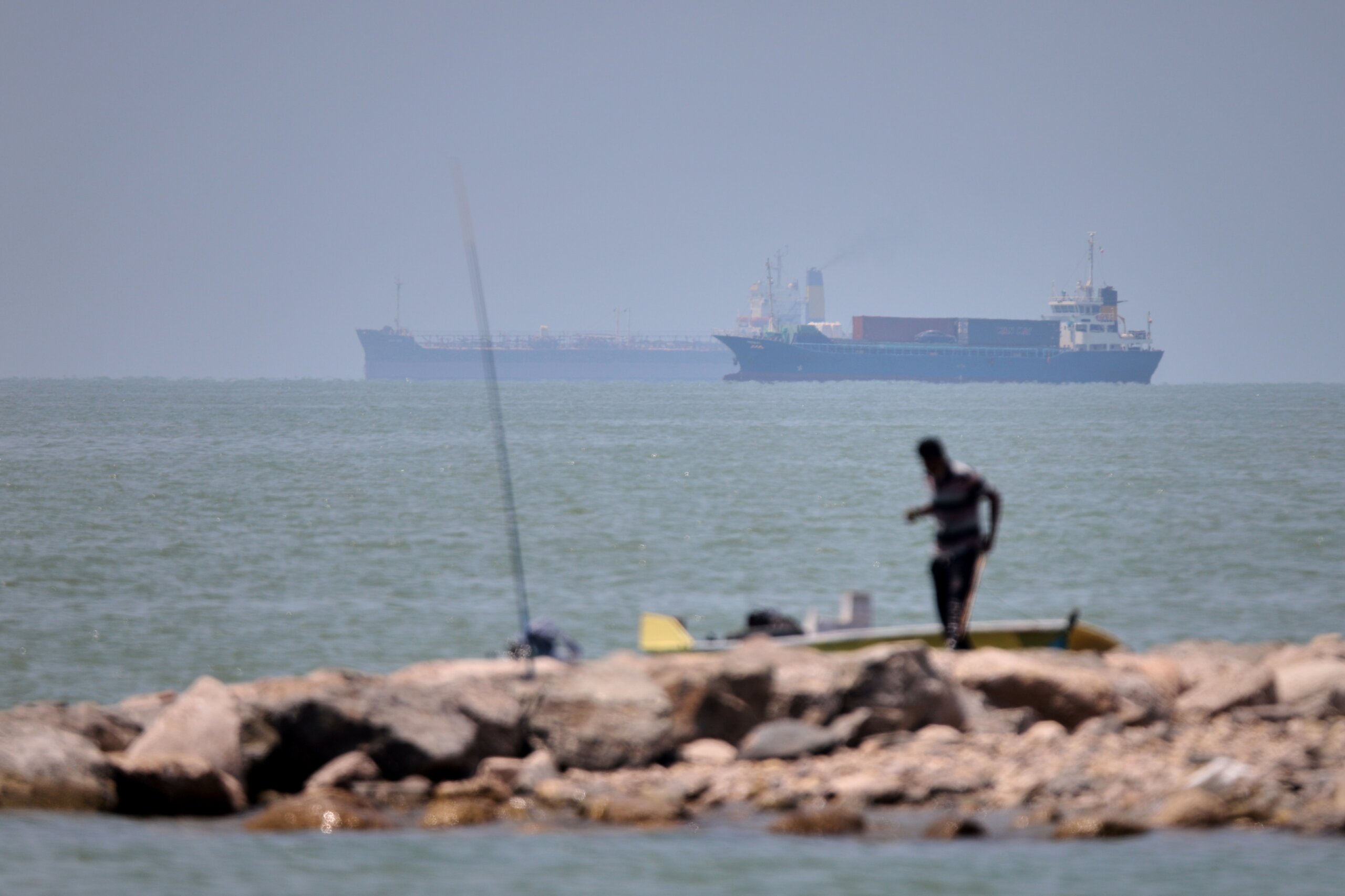
DUBAI, United Arab Emirates (AP) — Iran's paramilitary Revolutionary Guard launched drone and missile attacks Sunday targeting Bahrain and Kuwait in response to U.S. airstrikes that hit the Islamic Republic, and threatened a “complete halt” could come to negotiations to end the war if Washington continues its attacks. Efforts to reopen the Strait of Hormuz, the narrow mouth of the Persian Gulf that once carried a fifth of the world's oil and natural gas, without Iran's direct oversight sparked the crossfire now gripping the region. A multinational maritime body overseen by the U.S. Navy said Saturday that it would expand a route near Oman in the Strait of Hormuz to allow for both inbound and outbound traffic — setting up a new flashpoint with Tehran. Iran insists it alone must govern the strait after the war, upending decades of the world considering that the strait was international waters free for all, despite its sitting in Iran and Oman's territorial waters. Tehran has twice attacked vessels going through the Oman route, backed by a United Nations agency, in recent days. Early Sunday, the U.S. military’s Central Command said it struck Iranian military “surveillance infrastructure, communication systems, air defense sites, drone storage facilities and minelayer capabilities” following an attack on a ship at sea early Saturday morning. That ship, the Panamanian-flagged tanker Kiku, carried crude oil for the state-run energy company of Qatar, a key negotiator between Iran and the United States.
Read Next Story