LONDON (AP) — The British government sanctioned nine people and three organizations on Monday that it accused of engaging in “hostile activity” on behalf of Iran that threatens U.K. and global security.
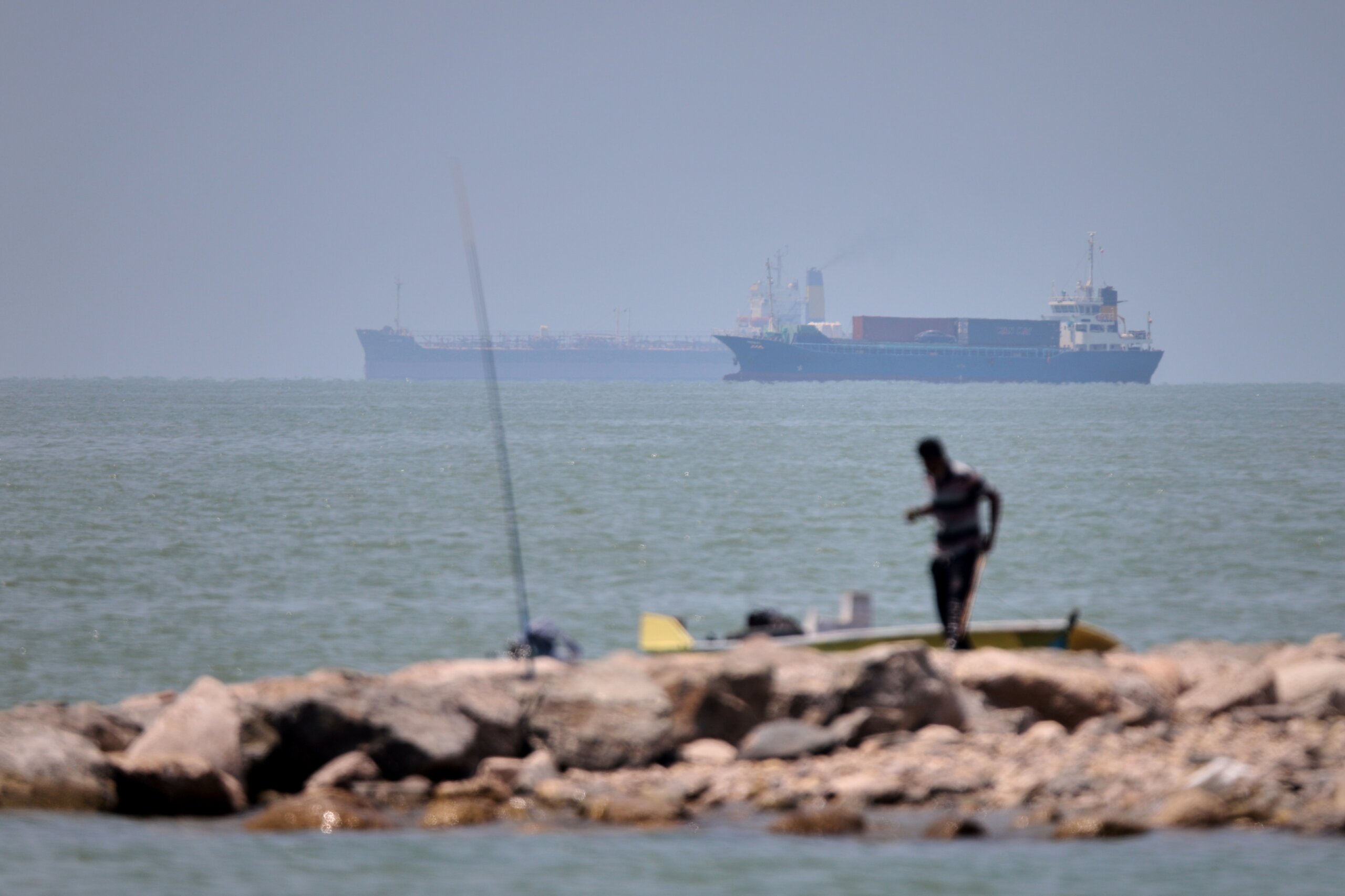
The Foreign Office said it froze assets and banned travel to counter the Islamic Republic’s use of gangs to carry out threats overseas and use illicit financing that helps it to wage war and block the Strait of Hormuz.
“This package of sanctions directly targets organizations and individuals who threaten security on U.K. streets and stability in the Middle East,” Foreign Secretary Yvette Cooper said. “Criminal proxies backed by parts of the Iranian regime who threaten security in the U.K. and Europe will not be tolerated, nor will illicit finance networks.”
The U.K. government has sanctioned 550 Iranians and organizations and repeatedly accused the country of plotting killings and other attacks on British soil. An Iranian proxy group has taken credit for a recent string of suspected antisemitic attacks that have included stabbings and attempted fire bombings at synagogues.
Britain’s MI5 domestic intelligence said law enforcement has thwarted more than 20 “potentially lethal” Iran-backed plots between January 2022 and November.
The Zindashti Network was sanctioned for allegedly being involved with an armed group backed by Iran that threatened, planned or attacked people in the U.K.
The U.S. government sanctioned the network two years ago, saying it was run by a narcotics trafficker who operated on the orders of Iran’s Ministry of Intelligence and Security to assassinate and kidnap critics of Iran.
The sanctions also targeted five members of the Zarringhalam family accused of using funds to try to destabilize the U.K. and Middle East.
Three brothers from the family, Mansour, Nasser and Fazlolah Zarringhalam, were sanctioned last year by the U.S. for allegedly using their shadow banking network to launder billions of dollars to evade sanctions for Iran’s main petroleum exporters and the military.
Four other people — two Iranians, a Turkish national and an Azerbaijani national — were accused of threatening, planning or carrying out attacks, though the announcement did not provide any details of those plots.