
Prosecutors cite terrorist intent in bomb attack on headquarters of Dutch ruling party

THE HAGUE, Netherlands (AP) — A 37-year-old man accused of a bomb attack on the Dutch premier’s party headquarters is suspected of acting with terrorist intent, prosecutors said Monday as he faced an arraignment hearing where a judge ordered his detention extended by two weeks.

The bomb exploded after being pushed through a letter slot at the centrist D66 party on May 8. No one was injured. The attack occurred during a meeting of about 30 youth wing party members, who were startled but unharmed, Prime Minister Rob Jetten said during his weekly news conference.

The suspect, whose name was not released in line with Dutch privacy regulations, was arrested shortly after the attack. Prosecutors say he has not said anything about a possible motive.

“The man is suspected of causing an explosion with terrorist intent. An explosion targeting the headquarters of a political party instills fear in a part of the population. For this reason, the terrorist motive has been charged,” The Hague Public Prosecutor’s Office said in a written statement.

Jetten, who took office in February, told reporters during his news conference Friday that it was “pretty futile if you think you can intimidate politicians with these kinds of actions.”

It was the second time the building in the city center of The Hague had been attacked in less than a year. In September, a right-wing demonstration erupted into violence during which rioters vandalized the office, just weeks ahead of national elections.
Iran attacks Bahrain and Kuwait following US strikes, threatens to end talks to end the war

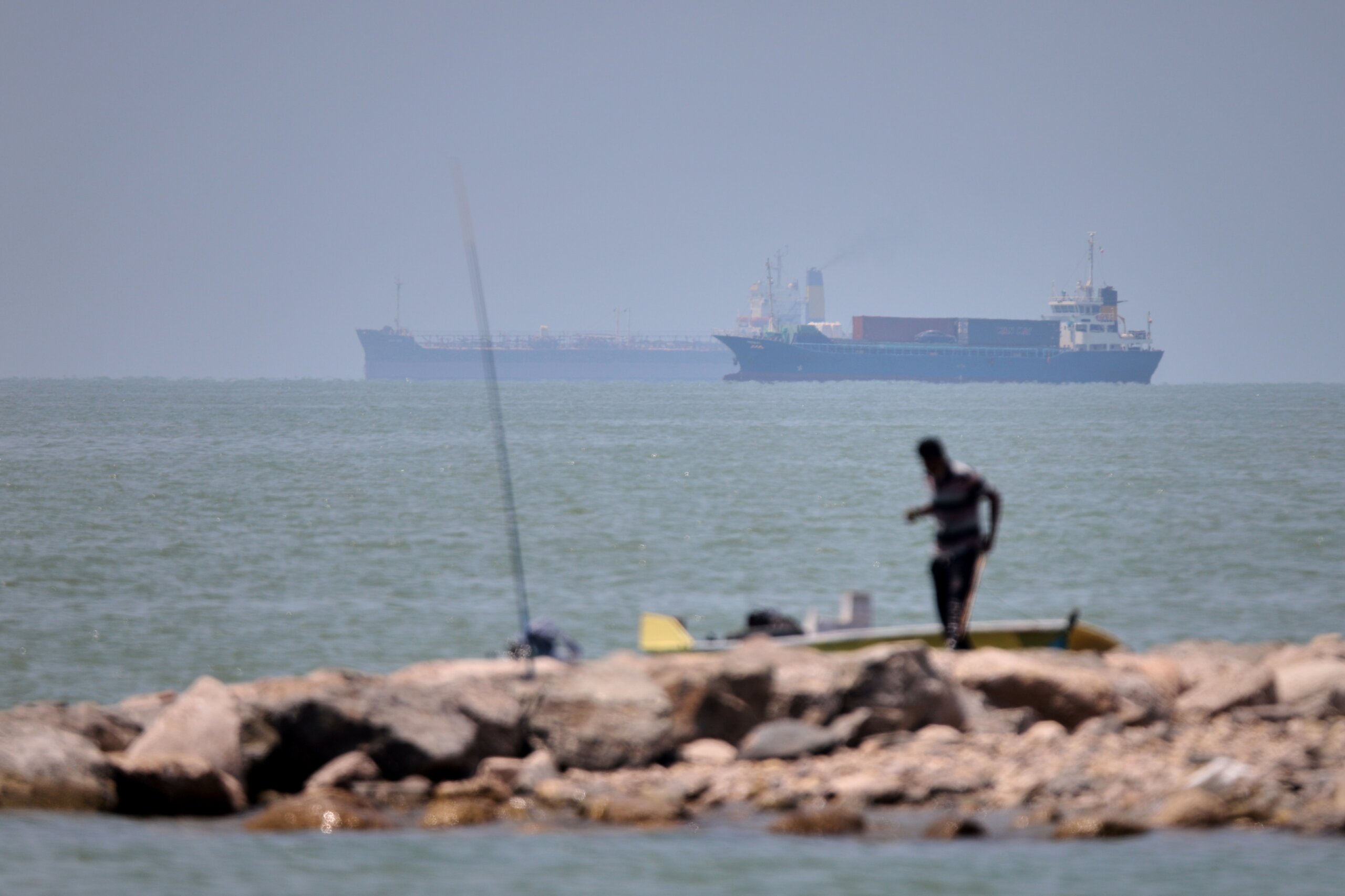
DUBAI, United Arab Emirates (AP) — Iran's paramilitary Revolutionary Guard launched drone and missile attacks Sunday targeting Bahrain and Kuwait in response to U.S. airstrikes that hit the Islamic Republic, and threatened a “complete halt” could come to negotiations to end the war if Washington continues its attacks. Efforts to reopen the Strait of Hormuz, the narrow mouth of the Persian Gulf that once carried a fifth of the world's oil and natural gas, without Iran's direct oversight sparked the crossfire now gripping the region. A multinational maritime body overseen by the U.S. Navy said Saturday that it would expand a route near Oman in the Strait of Hormuz to allow for both inbound and outbound traffic — setting up a new flashpoint with Tehran. Iran insists it alone must govern the strait after the war, upending decades of the world considering that the strait was international waters free for all, despite its sitting in Iran and Oman's territorial waters. Tehran has twice attacked vessels going through the Oman route, backed by a United Nations agency, in recent days. Early Sunday, the U.S. military’s Central Command said it struck Iranian military “surveillance infrastructure, communication systems, air defense sites, drone storage facilities and minelayer capabilities” following an attack on a ship at sea early Saturday morning. That ship, the Panamanian-flagged tanker Kiku, carried crude oil for the state-run energy company of Qatar, a key negotiator between Iran and the United States.
Read Next Story