HAVANA (AP) — U.S. Secretary of State Marco Rubio on Friday defended the Trump administration’s decision to slap new sanctions on Cuba, the largest of which is against Grupo de Administración Empresarial S.A., a business conglomerate operated by the Cuban Revolutionary Armed Forces.
In addition to GAESA and its leader, the sanctions announced Thursday include Moa Nickel, a Cuban joint venture with Canada’s Sherritt International, which immediately announced it would withdraw from the business, ending a 32-year presence on the island.
The May 1 executive order and the new designations announced May 7 significantly expand the legal authority through which the U.S. government can levy sanctions on third-country nationals and firms, explained Lee Schlenker, a research associate at the Quincy Institute’s Global South program, a Washington think tank.
“Not only are they subject to having their assets frozen but their U.S. accounts as well as their travel to the U.S., that of their shareholders, investors or employees,” said Schlenker. “This is bound to have an extremely significant impact of the presence of foreign companies” in Cuba.
Economist Pavel Vidal, a Cuba expert at Pontificia Universidad Javeriana in Colombia, told The Associated Press that the measures are “very concerning” for an economy already “practically paralyzed.” The U.S. has blocked fuel shipments to Cuba since January, further escalating the island’s yearslong economic crisis. Vidal noted that the new sanctions would likely deter GAESA’s remaining partners, saying that “very few will risk defying them.”
The new measures amount to “total isolation,” said Vidal, driven by the fear they instill in international banks, insurers and corporations.
As an expert who has analyzed GAESA’s internal documents, Vidal noted that the conglomerate’s deep reach into nearly every sector of the Cuban economy makes any connection to the island a potential liability under the new U.S. rules.
According to Vidal, GAESA commands nearly 40% of Cuba’s gross domestic product. As of early 2024, the conglomerate held $14.5 billion in liquid reserves, with annual revenues triple the size of the entire Cuban state budget.
Family ties with the Castros
Established in the 1990s under military control, GAESA was the Cuban Armed Forces’ strategic response to the economic collapse that followed the Soviet Union’s fall and the tightening of U.S. sanctions in place at the time.
Despite being state-owned, GAESA’s accounts are exempt from audits by the Office of the Comptroller General. Gladys Bejerano, the entity’s director, admitted to this lack of oversight in a 2024 interview; shortly thereafter, she retired.
For years, until his death in July 2022, Luis Alberto Rodríguez López-Calleja served as GAESA’s general manager. As the son-in-law of former President Raúl Castro, he was a pillar of the family — a legacy continued by his son, Raúl Guillermo Rodríguez Castro. While the younger Castro officially serves as his grandfather’s chief bodyguard, he has recently emerged as a pivotal intermediary in sensitive discussions with the U.S.
This week’s sanctions also added Ania Guillermina Lastres to the U.S. blacklist. As the successor to López-Calleja, she currently serves as GAESA’s executive president, overseeing the conglomerate’s vast international financial interests.
Based on the limited information available, GAESA oversees dozens of retail outlets — selling everything from food and clothing to home appliances — as well as a sprawling service network that includes car rentals and travel agencies. Notably, it also manages Cuba’s financial institutions, currency exchange bureaus, and the administration of the country’s major hotels.
In remarks to the press Friday, Rubio said the sanctions were not on the Cuban people and he referred to GAESA as a company that “is taking anything that makes money in Cuba and illegally putting it into the pockets of a few regime insiders.”
Cuban authorities maintain that the sanctions constitute “collective punishment” designed to strangle the island’s economy, arguing the Trump administration’s policies show a disregard for the welfare of the Cuban people in favor of political leverage.
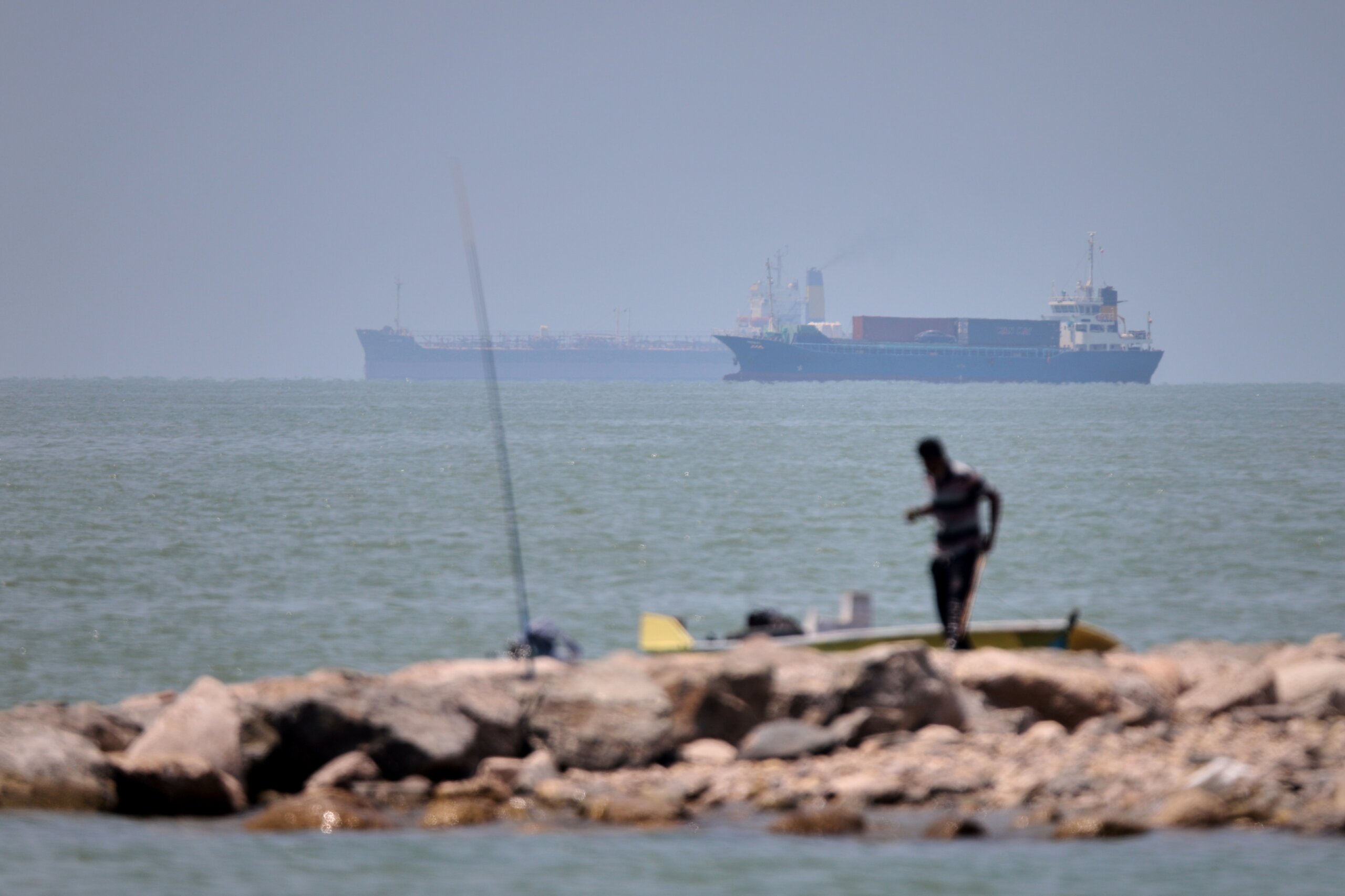
The new sanctions on Havana come under the weight of a U.S. energy blockade that has caused sweeping water and power outages along with severe gas and water shortages.
___
Follow AP’s coverage of Latin America and the Caribbean at https://apnews.com/hub/latin-america