
Emirates CEO says jet fuel costs ‘well hedged’ through 2029

FRANKFURT, Germany (AP) — Emirates airline group has hedged its exposure to higher jet fuel prices for the next three years and has secured enough supply to meet current and future needs, its CEO said Thursday as the company reported record annual profit.

“From a fuel perspective, Emirates is well-hedged until 2028-29; and we have worked with our suppliers to secure the volumes required to support our current operations and our scaling up to predisruption levels,” Chairman and Chief Executive Sheikh Ahmed bin Saeed Al Maktoum said in a statement accompanying the company’s 2025-2026 earnings statement.

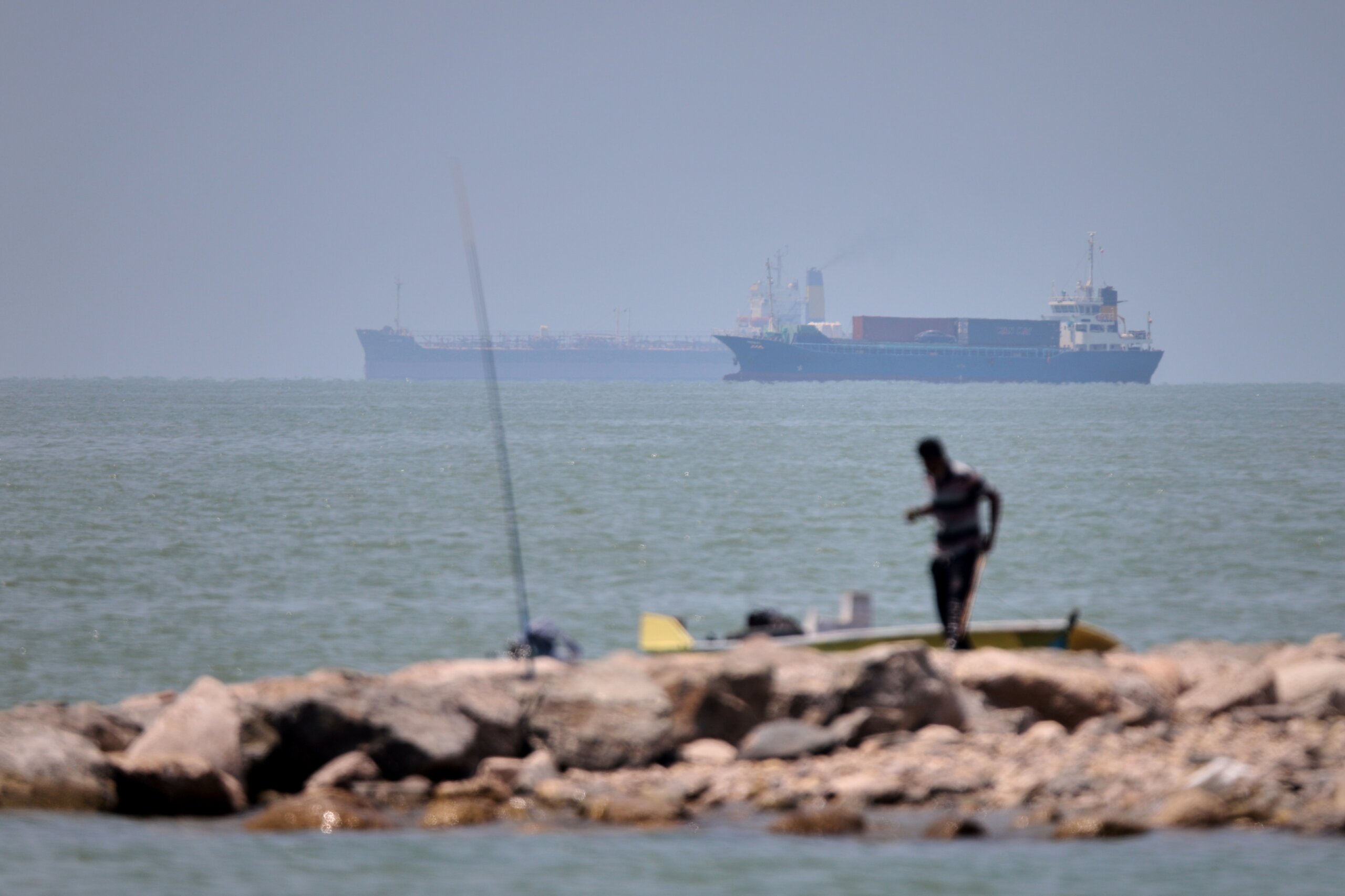
Airlines have been sticker-shocked by higher fuel prices and face concerns about shortages due to Iran’s blocking of the Strait of Hormuz, through which 20% of the world’s oil normally passes. Some airlines including Air France KLM, SAS and Lufthansa have responded by dropping flights from their summer schedules.

Hedging means using financial instruments such as forward contracts to lock in prices for future deliveries.

For the financial year ended March 31, Emirates Group reported profit before tax of 24.4 billion dirham ($6.6 billion), up 7% from the previous year, on revenue of 150.5 billion dirham ($41.0) billion, up 3% on the previous financial year.
Iran attacks Bahrain and Kuwait following US strikes, threatens to end talks to end the war

DUBAI, United Arab Emirates (AP) — Iran's paramilitary Revolutionary Guard launched drone and missile attacks Sunday targeting Bahrain and Kuwait in response to U.S. airstrikes that hit the Islamic Republic, and threatened a “complete halt” could come to negotiations to end the war if Washington continues its attacks. Efforts to reopen the Strait of Hormuz, the narrow mouth of the Persian Gulf that once carried a fifth of the world's oil and natural gas, without Iran's direct oversight sparked the crossfire now gripping the region. A multinational maritime body overseen by the U.S. Navy said Saturday that it would expand a route near Oman in the Strait of Hormuz to allow for both inbound and outbound traffic — setting up a new flashpoint with Tehran. Iran insists it alone must govern the strait after the war, upending decades of the world considering that the strait was international waters free for all, despite its sitting in Iran and Oman's territorial waters. Tehran has twice attacked vessels going through the Oman route, backed by a United Nations agency, in recent days. Early Sunday, the U.S. military’s Central Command said it struck Iranian military “surveillance infrastructure, communication systems, air defense sites, drone storage facilities and minelayer capabilities” following an attack on a ship at sea early Saturday morning. That ship, the Panamanian-flagged tanker Kiku, carried crude oil for the state-run energy company of Qatar, a key negotiator between Iran and the United States.
Read Next Story