
Palestine Action activists convicted in UK for break-in at Israeli defense factory

LONDON (AP) — Four Palestine Action activists were convicted Tuesday of breaking into an Israeli defense factory in the U.K. and smashing equipment with sledgehammers and crowbars.

Jurors in Woolwich Crown Court found Charlotte Head, Samuel Corner, Leona Kamio and Fatema Rajwani guilty of criminal damage. They face sentencing June 12.

The attack was one of the events that led the government to ban the group as a terrorist organization. London’s High Court said that decision was unlawful, but has kept the ban in place while the government appeals.

The group said they wanted to dismantle drones and weaponry they believed would be used to kill people.

Head was behind the wheel of a van that crashed through the gates of the Elbit Systems factory in Bristol on Aug. 6, 2024.

The four activists, dressed in red jumpsuits, began destroying property before ending up in a fight with security guards and police that left one officer with a broken back.

Prosecutor Deanna Heer said the attack was “meticulously organized” to cause maximum damage and get information about the company. The raid caused an estimated 1 million pounds ($1.36 million) in damage.

Corner was also convicted of inflicting grievous bodily harm for striking police Sgt. Kate Evans twice in the back with a sledgehammer, fracturing her spine.

Two others, Zoe Rogers and Jordan Devlin, were acquitted of criminal damage.

The convictions followed a previous trial in which jurors acquitted the six of aggravated burglary but could not reach verdicts on criminal damage charges.
Iran attacks Bahrain and Kuwait following US strikes, threatens to end talks to end the war

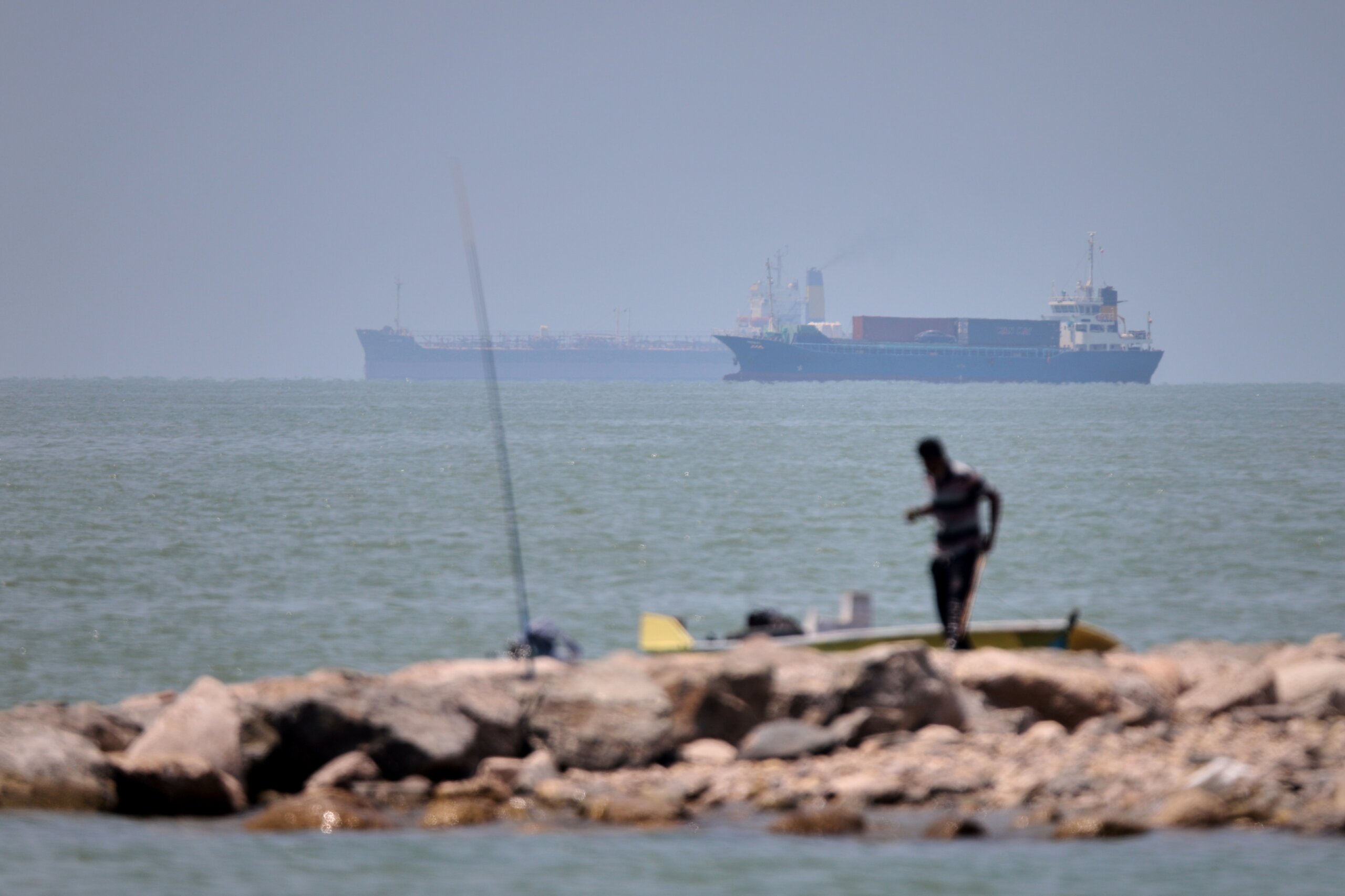
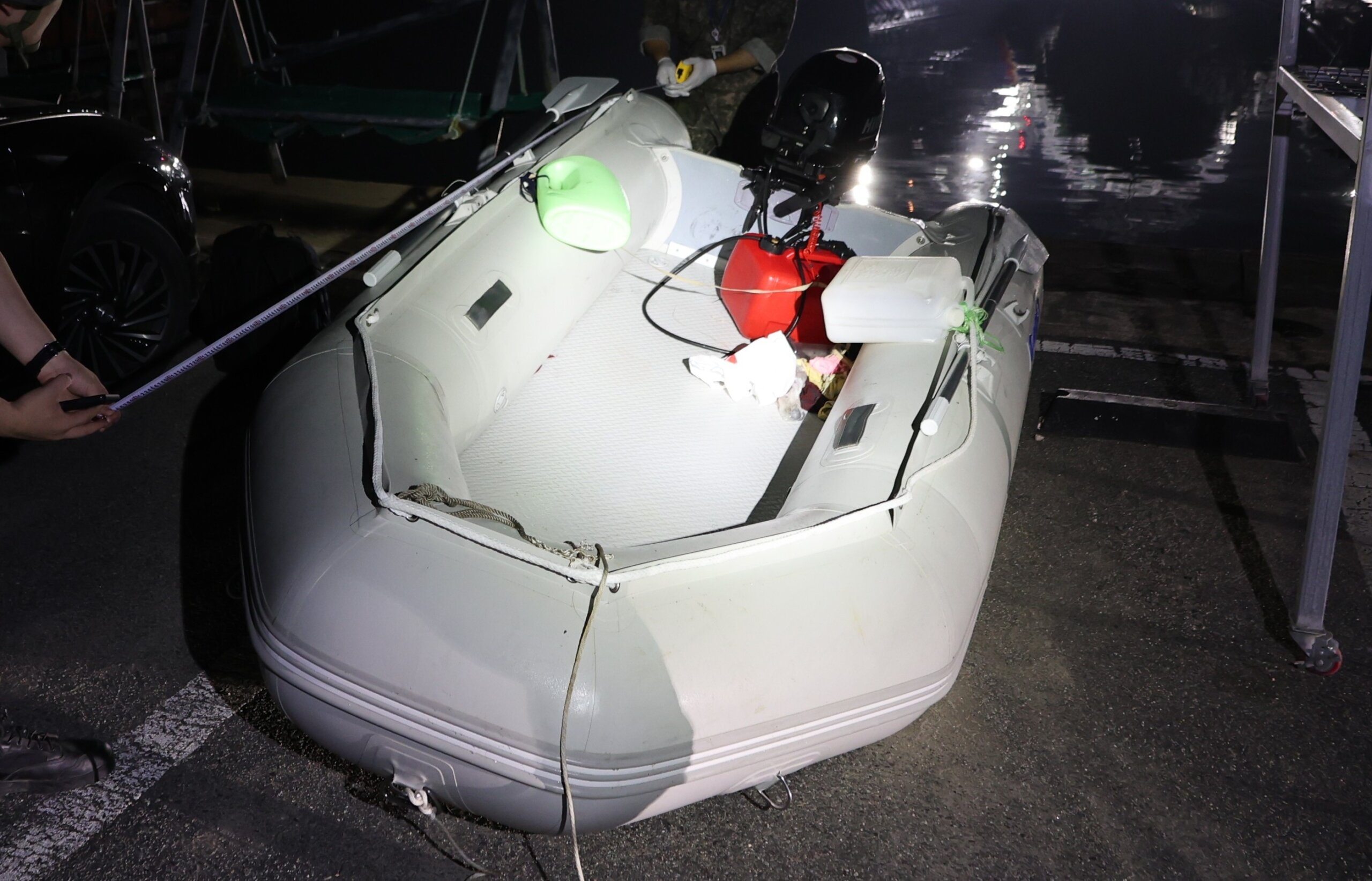
DUBAI, United Arab Emirates (AP) — Iran's paramilitary Revolutionary Guard launched drone and missile attacks Sunday targeting Bahrain and Kuwait in response to U.S. airstrikes that hit the Islamic Republic, and threatened a “complete halt” could come to negotiations to end the war if Washington continues its attacks. Efforts to reopen the Strait of Hormuz, the narrow mouth of the Persian Gulf that once carried a fifth of the world's oil and natural gas, without Iran's direct oversight sparked the crossfire now gripping the region. A multinational maritime body overseen by the U.S. Navy said Saturday that it would expand a route near Oman in the Strait of Hormuz to allow for both inbound and outbound traffic — setting up a new flashpoint with Tehran. Iran insists it alone must govern the strait after the war, upending decades of the world considering that the strait was international waters free for all, despite its sitting in Iran and Oman's territorial waters. Tehran has twice attacked vessels going through the Oman route, backed by a United Nations agency, in recent days. Early Sunday, the U.S. military’s Central Command said it struck Iranian military “surveillance infrastructure, communication systems, air defense sites, drone storage facilities and minelayer capabilities” following an attack on a ship at sea early Saturday morning. That ship, the Panamanian-flagged tanker Kiku, carried crude oil for the state-run energy company of Qatar, a key negotiator between Iran and the United States.
Read Next Story