
Italy’s Meloni denounces deepfake photo as a political attack

ROME (AP) — Italian Premier Giorgia Meloni on Tuesday denounced the circulation of a deepfake photo of her — posing in bed, wearing lingerie — and complained that such artificial intelligence-created images were being used to attack her.

Meloni shared the photo in question on Facebook. She included with it an apparent post from someone named Roberto who apparently had himself shared it on social media with the commentary that Meloni should be “ashamed” of herself.

Meloni warned against sharing such images on social media without verifying them.

“Deepfakes are a dangerous tool because they can deceive, manipulate and target anyone. I can defend myself. Many others cannot,” she warned in her Facebook post.

It wasn’t immediately clear if Meloni would report the incident to law enforcement, as she was urged to do by people commenting on her post. She acknowledged though that the photo manipulation “actually made me look a lot better.”

“But the fact remains that, in order to attack and fabricate lies, people will now use absolutely anything,” she wrote.

It’s not the first time that the likeness of Meloni, Italy’s first female premier, has made waves. In February, a minor church-state scandal erupted after a cherub bearing a striking appearance to Meloni appeared in a Roman church.

Then, Meloni made light of the manipulation.

“No, I definitely don’t look like an angel,” Meloni wrote on social media with a laughing/crying emoji alongside a photo of the work.
Iran attacks Bahrain and Kuwait following US strikes, threatens to end talks to end the war

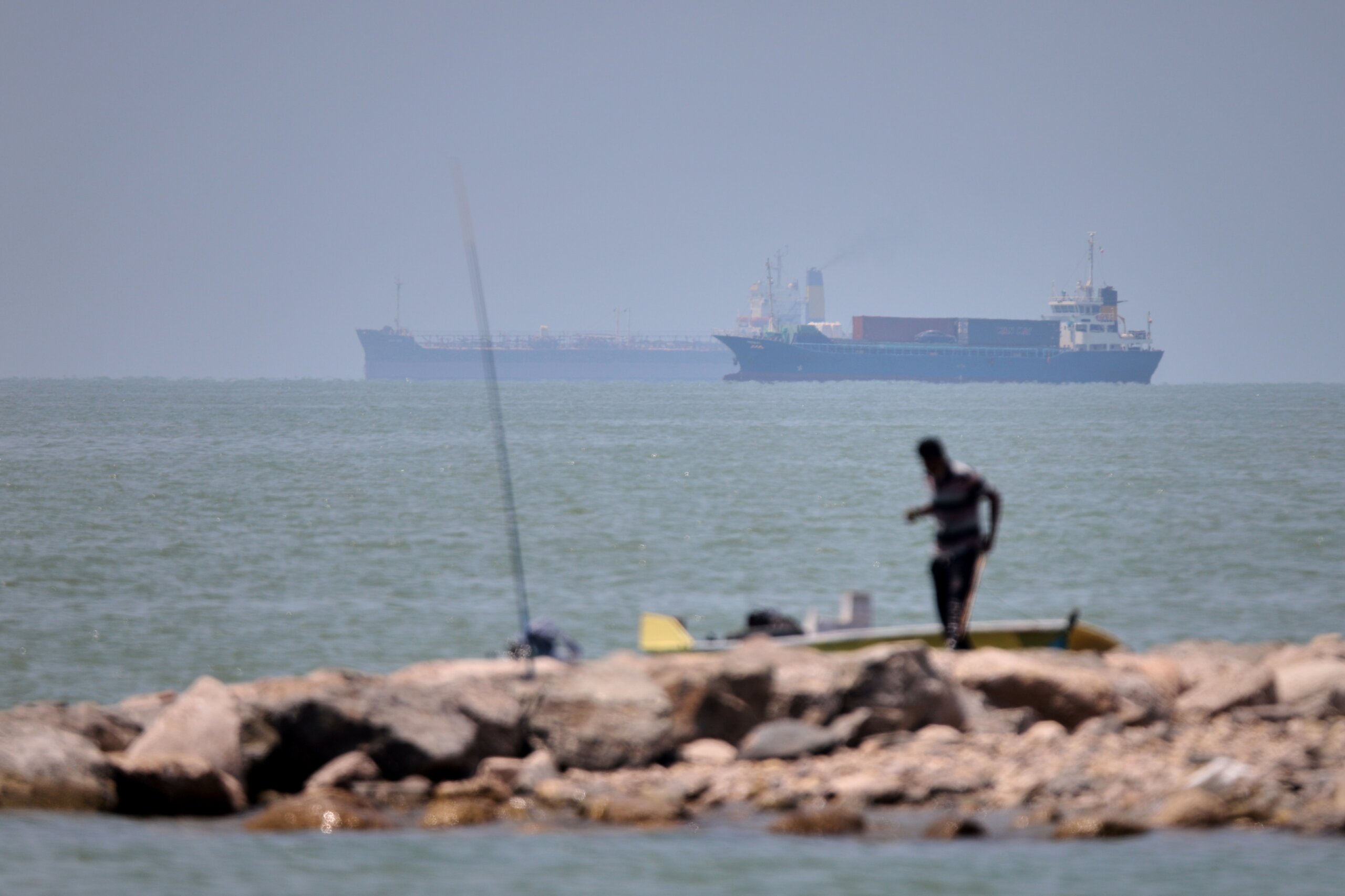
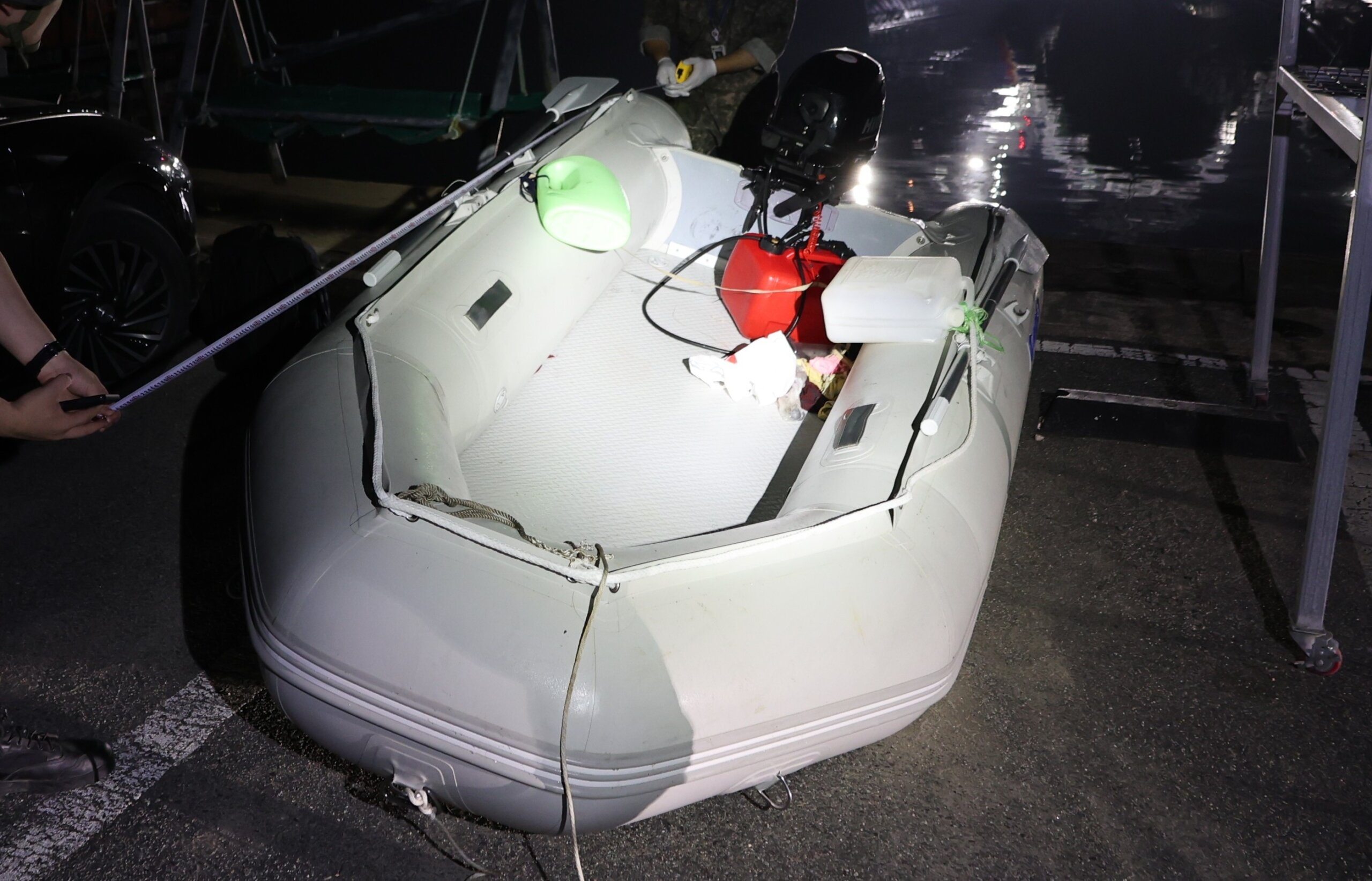
DUBAI, United Arab Emirates (AP) — Iran's paramilitary Revolutionary Guard launched drone and missile attacks Sunday targeting Bahrain and Kuwait in response to U.S. airstrikes that hit the Islamic Republic, and threatened a “complete halt” could come to negotiations to end the war if Washington continues its attacks. Efforts to reopen the Strait of Hormuz, the narrow mouth of the Persian Gulf that once carried a fifth of the world's oil and natural gas, without Iran's direct oversight sparked the crossfire now gripping the region. A multinational maritime body overseen by the U.S. Navy said Saturday that it would expand a route near Oman in the Strait of Hormuz to allow for both inbound and outbound traffic — setting up a new flashpoint with Tehran. Iran insists it alone must govern the strait after the war, upending decades of the world considering that the strait was international waters free for all, despite its sitting in Iran and Oman's territorial waters. Tehran has twice attacked vessels going through the Oman route, backed by a United Nations agency, in recent days. Early Sunday, the U.S. military’s Central Command said it struck Iranian military “surveillance infrastructure, communication systems, air defense sites, drone storage facilities and minelayer capabilities” following an attack on a ship at sea early Saturday morning. That ship, the Panamanian-flagged tanker Kiku, carried crude oil for the state-run energy company of Qatar, a key negotiator between Iran and the United States.
Read Next Story