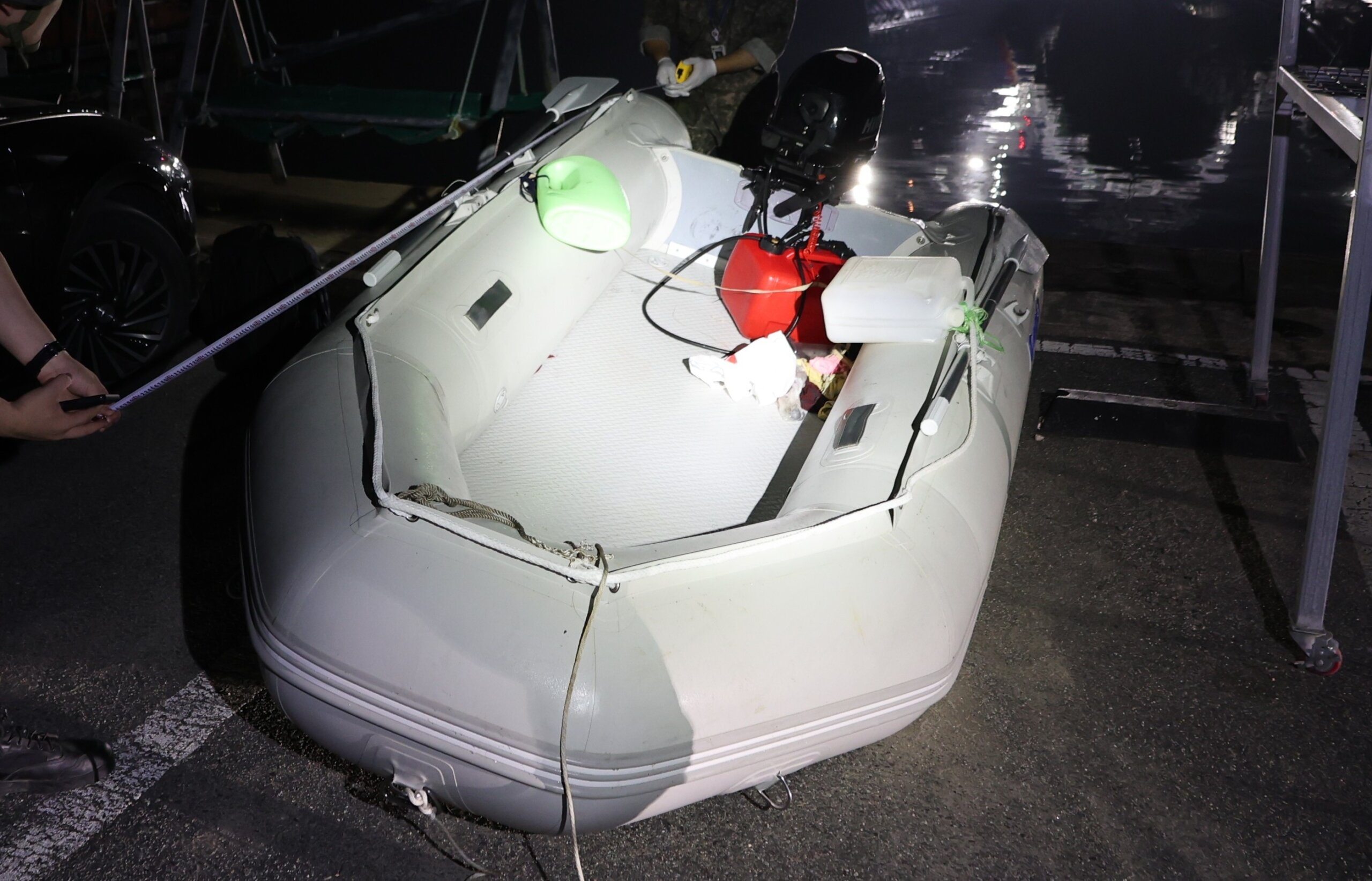
Japanese police arrest a South Korean for allegedly obstructing Yasukuni Shrine festival

TOKYO (AP) — A South Korean national holding a banner carrying political messages was arrested Wednesday for allegedly obstructing an annual spring festival at Tokyo’s Yasukuni Shrine, Japanese police said.

The shrine honors Japan’s 2.5 million war dead, including convicted war criminals. Victims of Japanese aggression before and during World War II, especially China and the Koreas, see visits to the shrine as a lack of remorse about Japan’s wartime past.

The 64-year-old suspect held up a banner carrying messages including one urging “war criminals” to stop praying at Yasukuni and another making territorial claims on an island disputed between Japan and South Korea.

The man stood at the main shrine gate and in front of vehicles carrying messengers from the emperor, Kyodo News agency said. The messengers were scheduled to deliver offerings from the emperor, the shrine said on its website.

On Tuesday, Prime Minister Sanae Takaichi, who used to regularly pray at the shrine, sent a religious ornament instead for the second time as Japan’s leader, triggering criticism from China and South Korea.

A group of more than 100 right-wing lawmakers, including a Cabinet minister, prayed at the shrine on Wednesday.

___

Associated Press video journalist Mayuko Ono contributed to this report.
Iran attacks Bahrain and Kuwait following US strikes, threatens to end talks to end the war

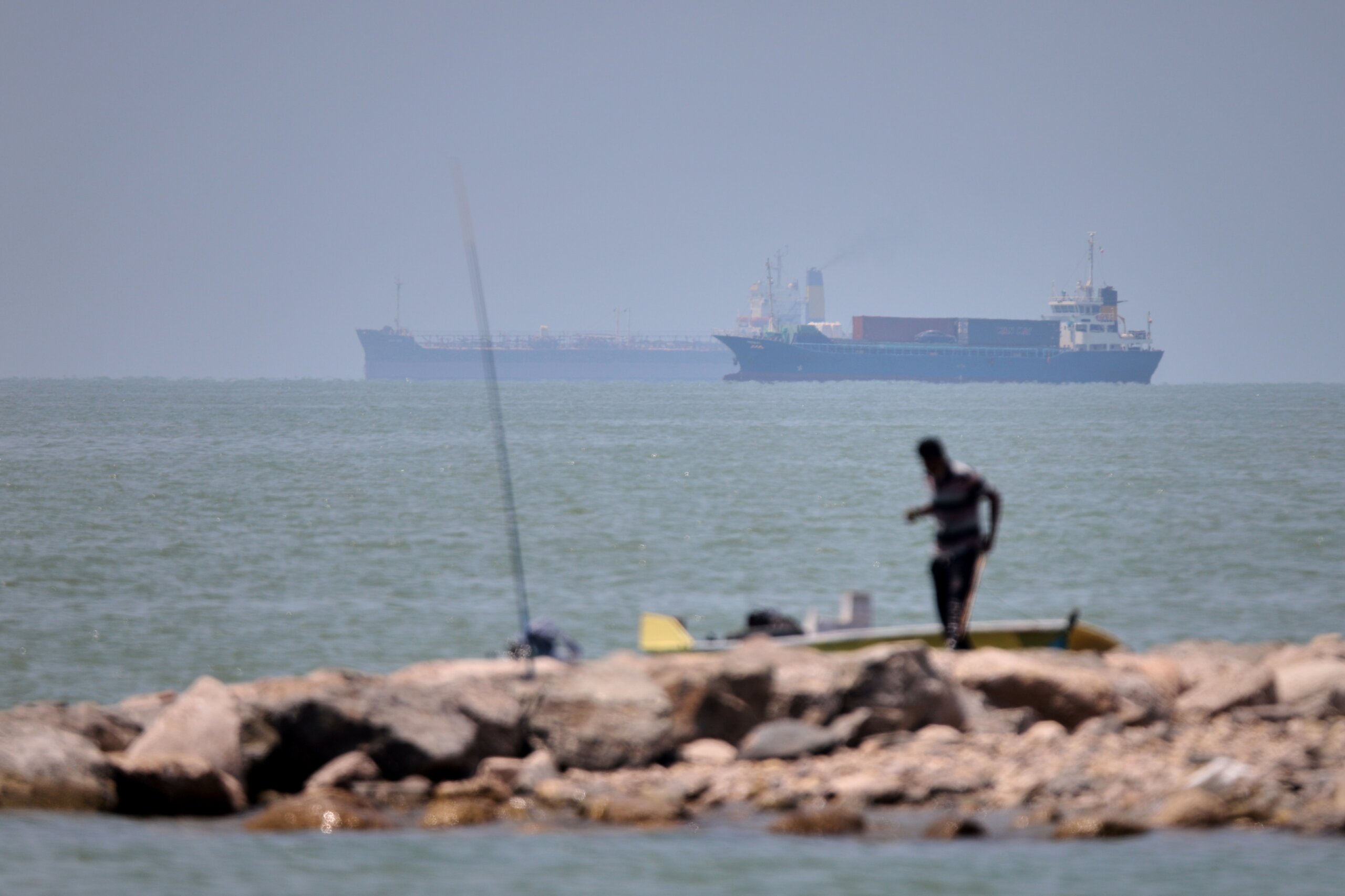
DUBAI, United Arab Emirates (AP) — Iran's paramilitary Revolutionary Guard launched drone and missile attacks Sunday targeting Bahrain and Kuwait in response to U.S. airstrikes that hit the Islamic Republic, and threatened a “complete halt” could come to negotiations to end the war if Washington continues its attacks. Efforts to reopen the Strait of Hormuz, the narrow mouth of the Persian Gulf that once carried a fifth of the world's oil and natural gas, without Iran's direct oversight sparked the crossfire now gripping the region. A multinational maritime body overseen by the U.S. Navy said Saturday that it would expand a route near Oman in the Strait of Hormuz to allow for both inbound and outbound traffic — setting up a new flashpoint with Tehran. Iran insists it alone must govern the strait after the war, upending decades of the world considering that the strait was international waters free for all, despite its sitting in Iran and Oman's territorial waters. Tehran has twice attacked vessels going through the Oman route, backed by a United Nations agency, in recent days. Early Sunday, the U.S. military’s Central Command said it struck Iranian military “surveillance infrastructure, communication systems, air defense sites, drone storage facilities and minelayer capabilities” following an attack on a ship at sea early Saturday morning. That ship, the Panamanian-flagged tanker Kiku, carried crude oil for the state-run energy company of Qatar, a key negotiator between Iran and the United States.
Read Next Story