
Turkey sentences 8 people to prison terms in deadly 2024 cable car accident

ISTANBUL (AP) — A court in southern Turkey sentenced eight people on Monday to prison terms over a 2024 cable car accident in the coastal resort of Antalya that killed one passenger and injured seven.

Four of the defendants were convicted of causing death and injury through negligence and were sentenced to 7½ years each, the state-run Anadolu news agency reported. The other four were sentenced to between three years and four months and five years for the same offense.

In the April 12, 2024 accident, one of the cable car gondolas hit a pole and burst open, sending its passengers plummeting to the rocks below. The cable car system then shut down, leaving 174 people stranded in their gondolas high above ground — some for nearly 23 hours — before they were rescued.

The cable car carries tourists from Konyaalti Beach to a restaurant and viewing platform at the summit of the 618-meter (2,010-foot) Tunektepe peak. The accident happened during the Eid al-Fitr holiday marking the end of the Muslim holy month of Ramadan.

Most of the defendants in the case were employees were employees of ANET, a subsidiary of Antalya Metropolitan Municipality that operates the cable car in the Mediterranean city.
Iran attacks Bahrain and Kuwait following US strikes, threatens to end talks to end the war

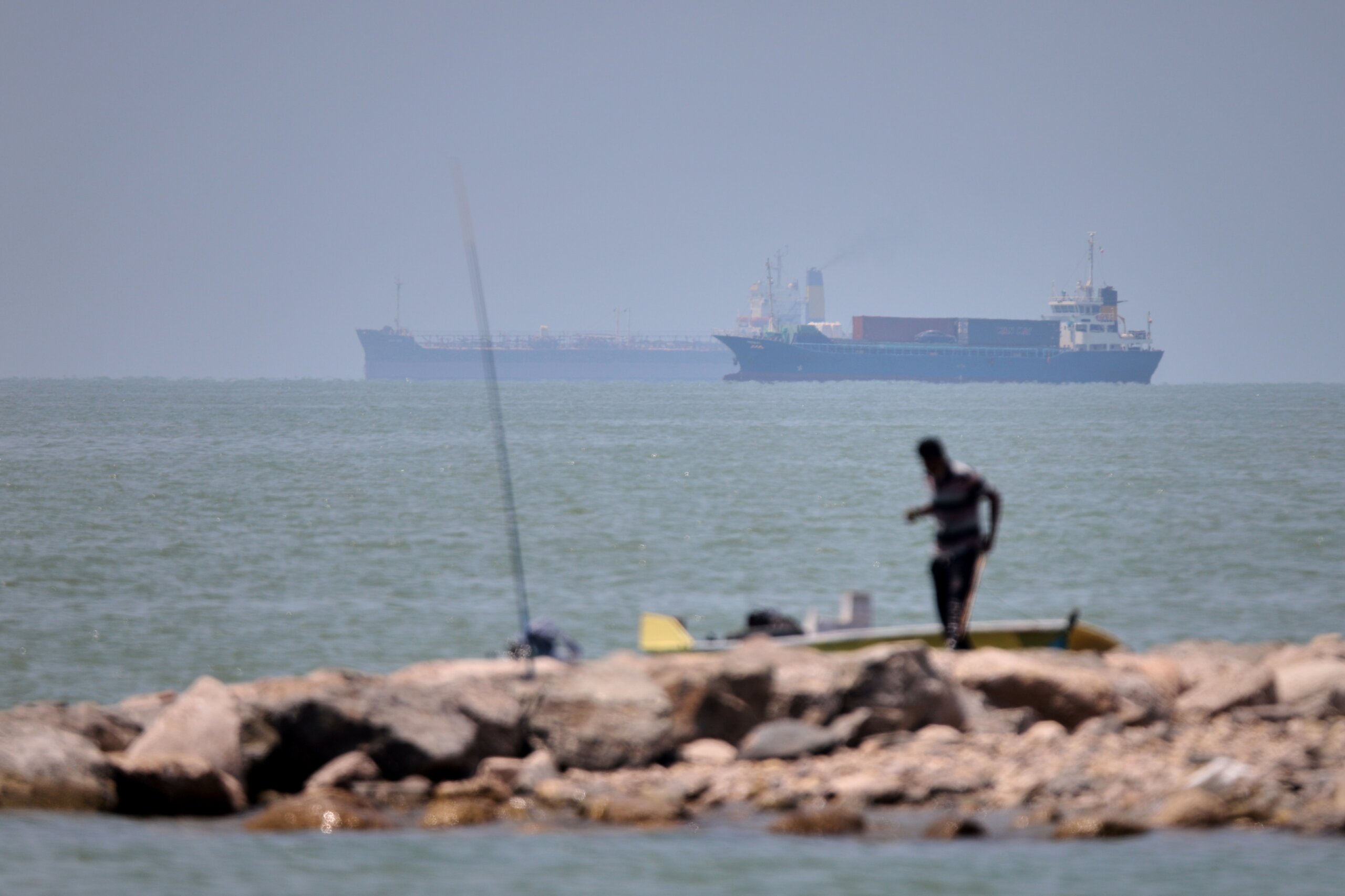
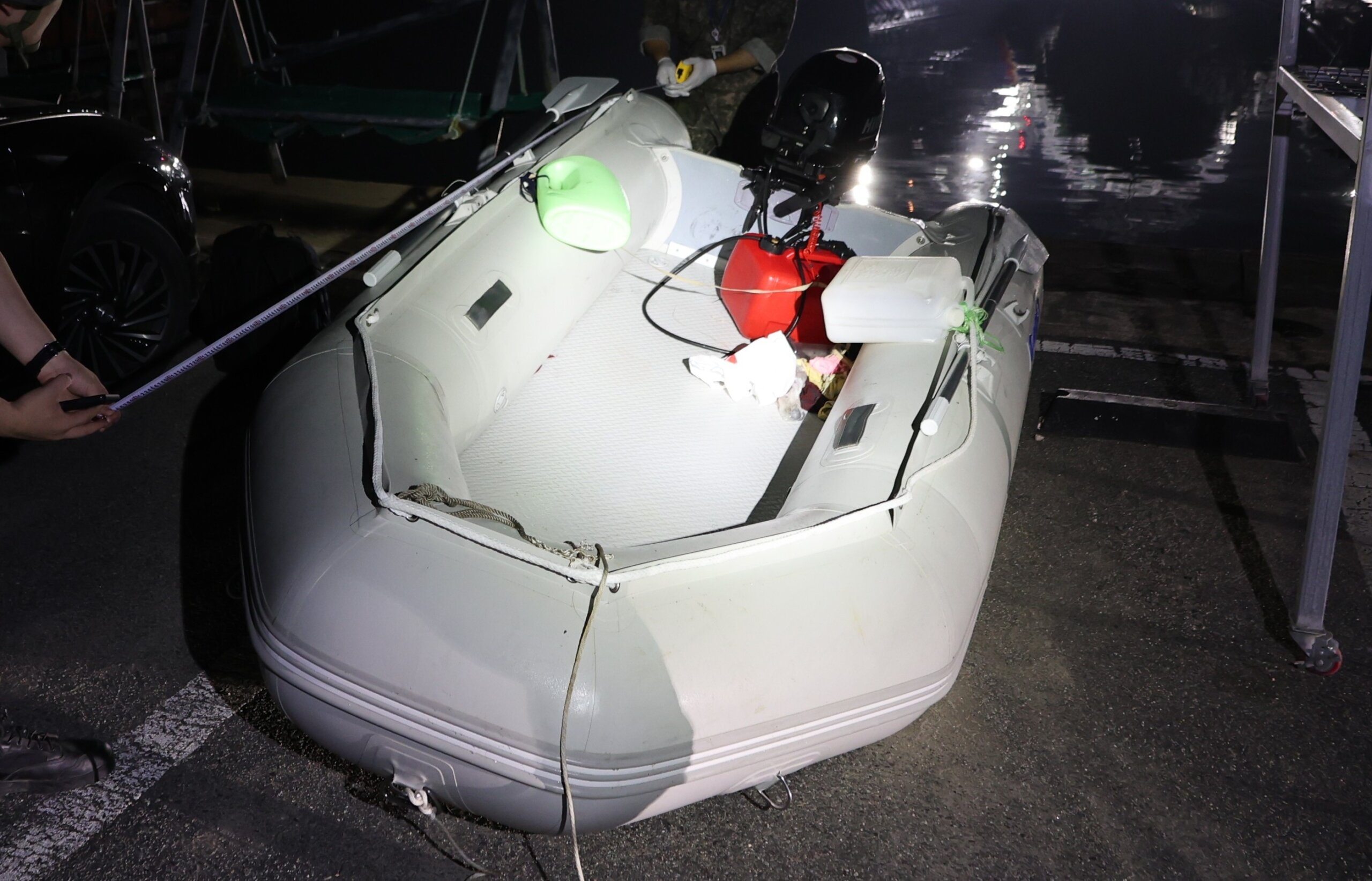
DUBAI, United Arab Emirates (AP) — Iran's paramilitary Revolutionary Guard launched drone and missile attacks Sunday targeting Bahrain and Kuwait in response to U.S. airstrikes that hit the Islamic Republic, and threatened a “complete halt” could come to negotiations to end the war if Washington continues its attacks. Efforts to reopen the Strait of Hormuz, the narrow mouth of the Persian Gulf that once carried a fifth of the world's oil and natural gas, without Iran's direct oversight sparked the crossfire now gripping the region. A multinational maritime body overseen by the U.S. Navy said Saturday that it would expand a route near Oman in the Strait of Hormuz to allow for both inbound and outbound traffic — setting up a new flashpoint with Tehran. Iran insists it alone must govern the strait after the war, upending decades of the world considering that the strait was international waters free for all, despite its sitting in Iran and Oman's territorial waters. Tehran has twice attacked vessels going through the Oman route, backed by a United Nations agency, in recent days. Early Sunday, the U.S. military’s Central Command said it struck Iranian military “surveillance infrastructure, communication systems, air defense sites, drone storage facilities and minelayer capabilities” following an attack on a ship at sea early Saturday morning. That ship, the Panamanian-flagged tanker Kiku, carried crude oil for the state-run energy company of Qatar, a key negotiator between Iran and the United States.
Read Next Story