
Brazilian ex-intelligence chief Ramagem released after immigration arrest, thanks Trump

SAO PAULO (AP) — Brazil’s former intelligence agency chief Alexandre Ramagem celebrated on Thursday his release by the U.S. Immigration and Customs Enforcement after a two-day detention. He thanked U.S. President Donald Trump for his release, though he provided no evidence that the leader had had any connection with the move.

Ramagem, a former lawmaker, was sentenced in Brazil in September to 16 years in prison for his role in the coup attempt by supporters of former Brazilian President Jair Bolsonaro in 2023. He fled the South American nation before he would have started serving his sentence.

“I am here to thank the U.S. government, the highest ranking members of the Trump administration,” Ramagem said on his social media channels. He added his release “did not require any bail payment, which is common in migration cases” like his.

The former intelligence chief was arrested on Monday in Florida, the same day Brazilian senator Jorge Seif told the U.S. embassy in Brasilia his ally should not remain in custody because he was allegedly being persecuted at home.

Local media reported he was released late on Wednesday.

Ramagem had already filed for political asylum before this week’s incident, but his case has not yet been decided.

On Monday, Ramagem appeared as in custody in ICE’s online detainee database. ICE did not respond to a request for comment from The Associated Press about Ramagem’s release.

Ramagem was stripped of his seat in Brazil’s congress in December as a consequence of his conviction in the coup case.

___

Follow the AP’s coverage of Latin America and the Caribbean at https://apnews.com/hub/latin-america
Iran attacks Bahrain and Kuwait following US strikes, threatens to end talks to end the war

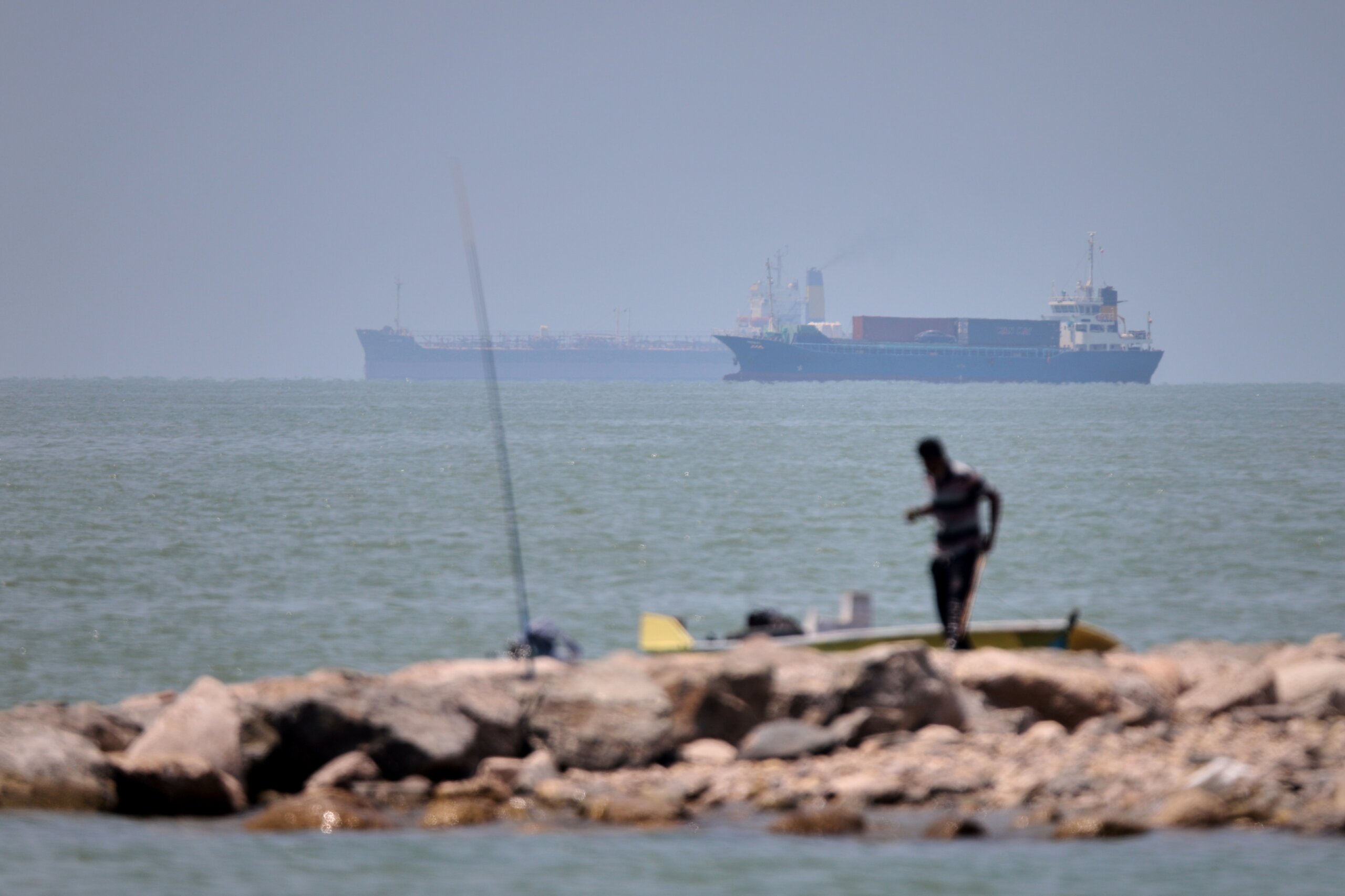
DUBAI, United Arab Emirates (AP) — Iran's paramilitary Revolutionary Guard launched drone and missile attacks Sunday targeting Bahrain and Kuwait in response to U.S. airstrikes that hit the Islamic Republic, and threatened a “complete halt” could come to negotiations to end the war if Washington continues its attacks. Efforts to reopen the Strait of Hormuz, the narrow mouth of the Persian Gulf that once carried a fifth of the world's oil and natural gas, without Iran's direct oversight sparked the crossfire now gripping the region. A multinational maritime body overseen by the U.S. Navy said Saturday that it would expand a route near Oman in the Strait of Hormuz to allow for both inbound and outbound traffic — setting up a new flashpoint with Tehran. Iran insists it alone must govern the strait after the war, upending decades of the world considering that the strait was international waters free for all, despite its sitting in Iran and Oman's territorial waters. Tehran has twice attacked vessels going through the Oman route, backed by a United Nations agency, in recent days. Early Sunday, the U.S. military’s Central Command said it struck Iranian military “surveillance infrastructure, communication systems, air defense sites, drone storage facilities and minelayer capabilities” following an attack on a ship at sea early Saturday morning. That ship, the Panamanian-flagged tanker Kiku, carried crude oil for the state-run energy company of Qatar, a key negotiator between Iran and the United States.
Read Next Story