
Nigerian court convicts more than 300 in mass terrorism trial

ABUJA, Nigeria (AP) — A court in the Nigerian capital of Abuja on Friday convicted more than 300 terrorism suspects in a mass trial that spanned four days.

The mass trial began Tuesday, with many suspects pleading guilty to charges brought against them by the Nigerian government.

Many of them have since been sentenced to up to 20 years in prison after they appeared before a panel of 10 judges.

“In total, we brought about 508 cases. Of these 508, we were able to secure 386 convictions,” Nigeria’s attorney general told journalists after the mass trial on Friday. “We have been able to bring justice to them, or bring them to justice. So this is the clear signal that we are sending.”

Nigeria is battling a complex security crisis, especially in the north, where there is a decade-long insurgency and several armed groups that kidnap for ransom. The insurgency in the country’s northeast has lasted more than a decade.

Among the most prominent Islamic militant groups are Boko Haram and its breakaway faction, which is affiliated with the Islamic State group and known as Islamic State West Africa Province. There is also the IS-linked Lakurawa group operating in communities in the northwestern part of the country that borders Niger Republic.

There are also disputes over land and grazing between mostly Muslim Fulani herders and largely Christian farming communities frequently escalate into deadly clashes in the north-central and northwestern part of the country.

Criminal gangs who kidnap for ransom are also active.

The insurgency in the northeast has led to the death and displacement of many, according to the U.N.
Iran attacks Bahrain and Kuwait following US strikes, threatens to end talks to end the war

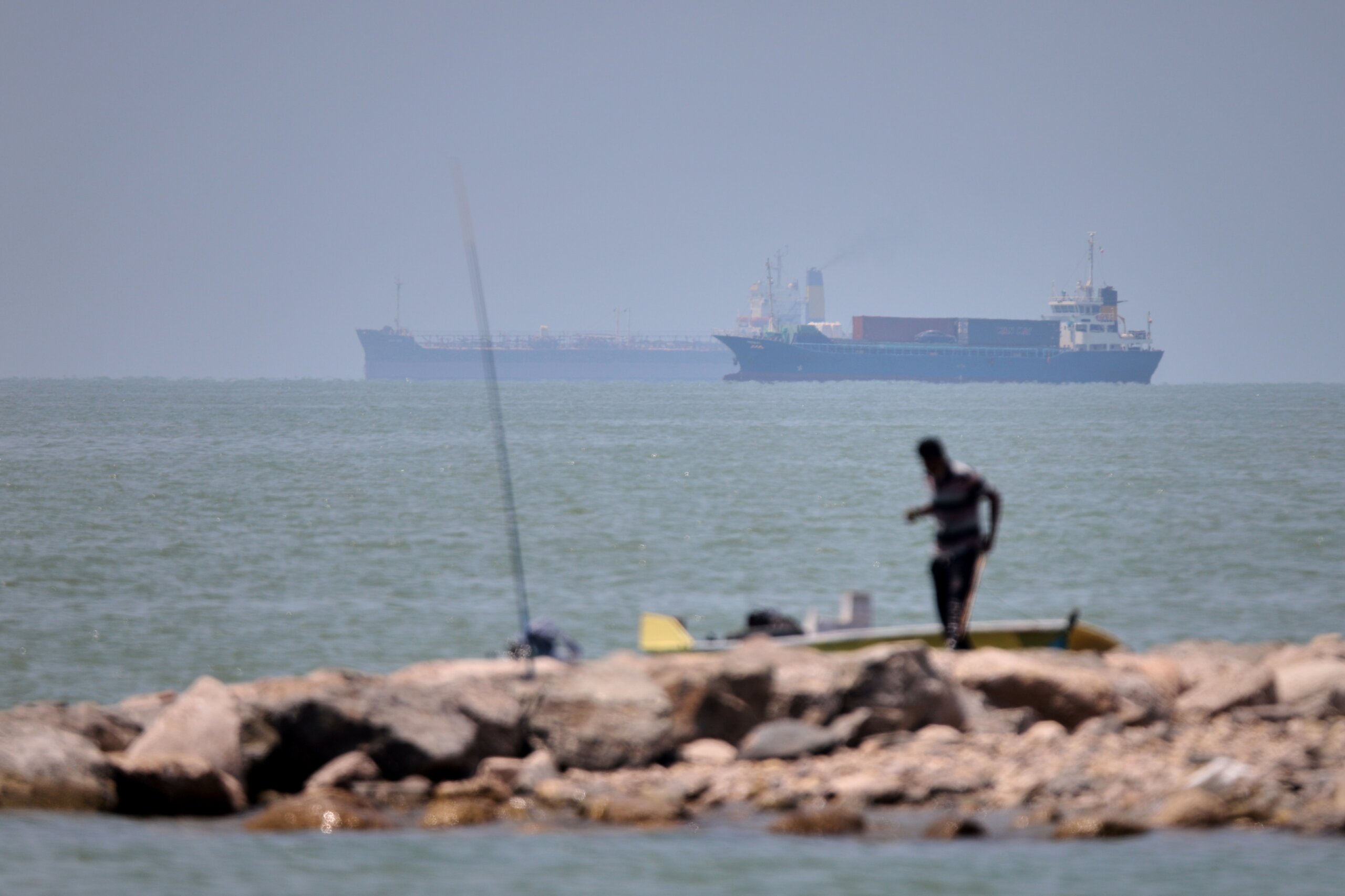
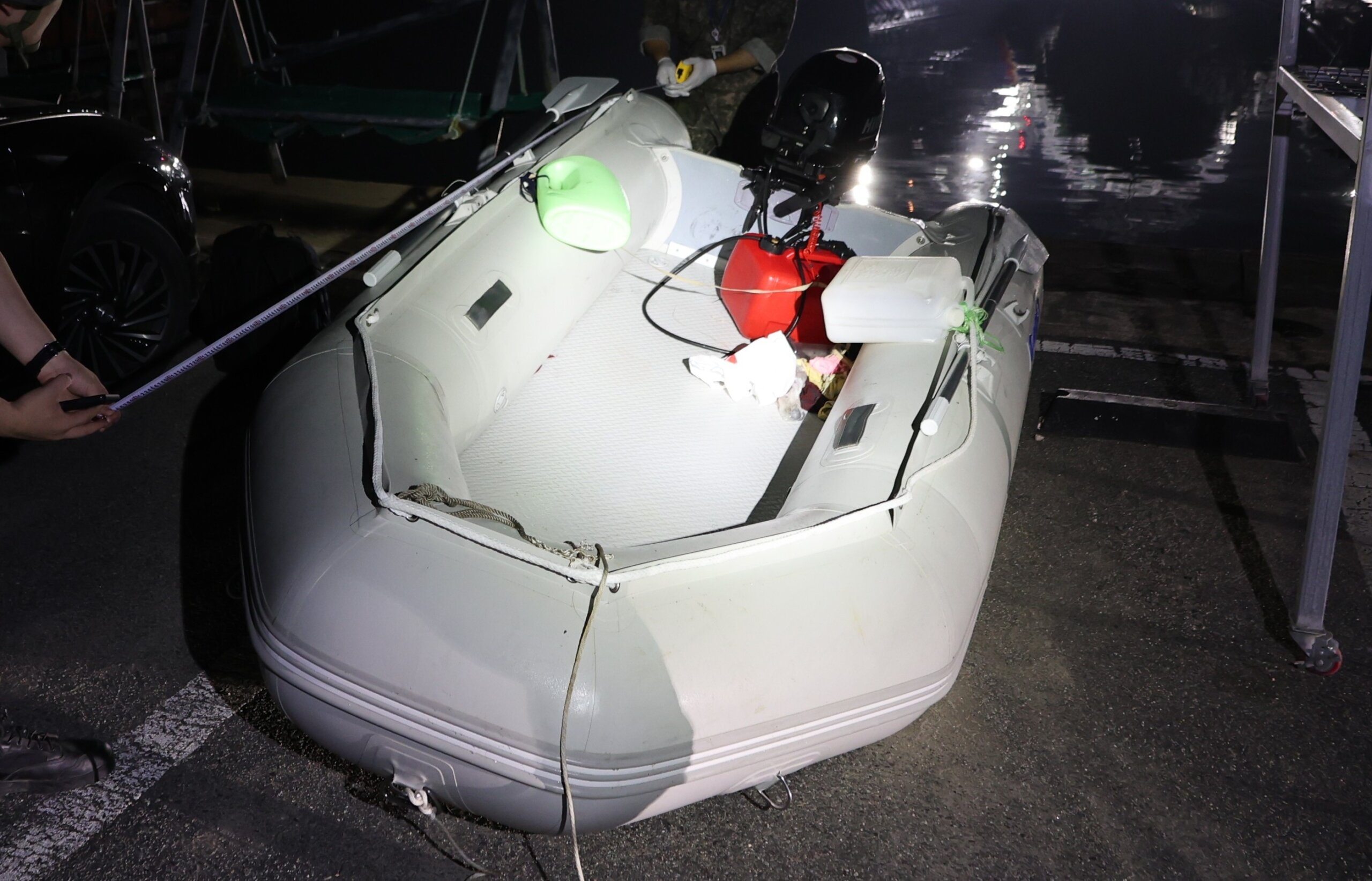
DUBAI, United Arab Emirates (AP) — Iran's paramilitary Revolutionary Guard launched drone and missile attacks Sunday targeting Bahrain and Kuwait in response to U.S. airstrikes that hit the Islamic Republic, and threatened a “complete halt” could come to negotiations to end the war if Washington continues its attacks. Efforts to reopen the Strait of Hormuz, the narrow mouth of the Persian Gulf that once carried a fifth of the world's oil and natural gas, without Iran's direct oversight sparked the crossfire now gripping the region. A multinational maritime body overseen by the U.S. Navy said Saturday that it would expand a route near Oman in the Strait of Hormuz to allow for both inbound and outbound traffic — setting up a new flashpoint with Tehran. Iran insists it alone must govern the strait after the war, upending decades of the world considering that the strait was international waters free for all, despite its sitting in Iran and Oman's territorial waters. Tehran has twice attacked vessels going through the Oman route, backed by a United Nations agency, in recent days. Early Sunday, the U.S. military’s Central Command said it struck Iranian military “surveillance infrastructure, communication systems, air defense sites, drone storage facilities and minelayer capabilities” following an attack on a ship at sea early Saturday morning. That ship, the Panamanian-flagged tanker Kiku, carried crude oil for the state-run energy company of Qatar, a key negotiator between Iran and the United States.
Read Next Story