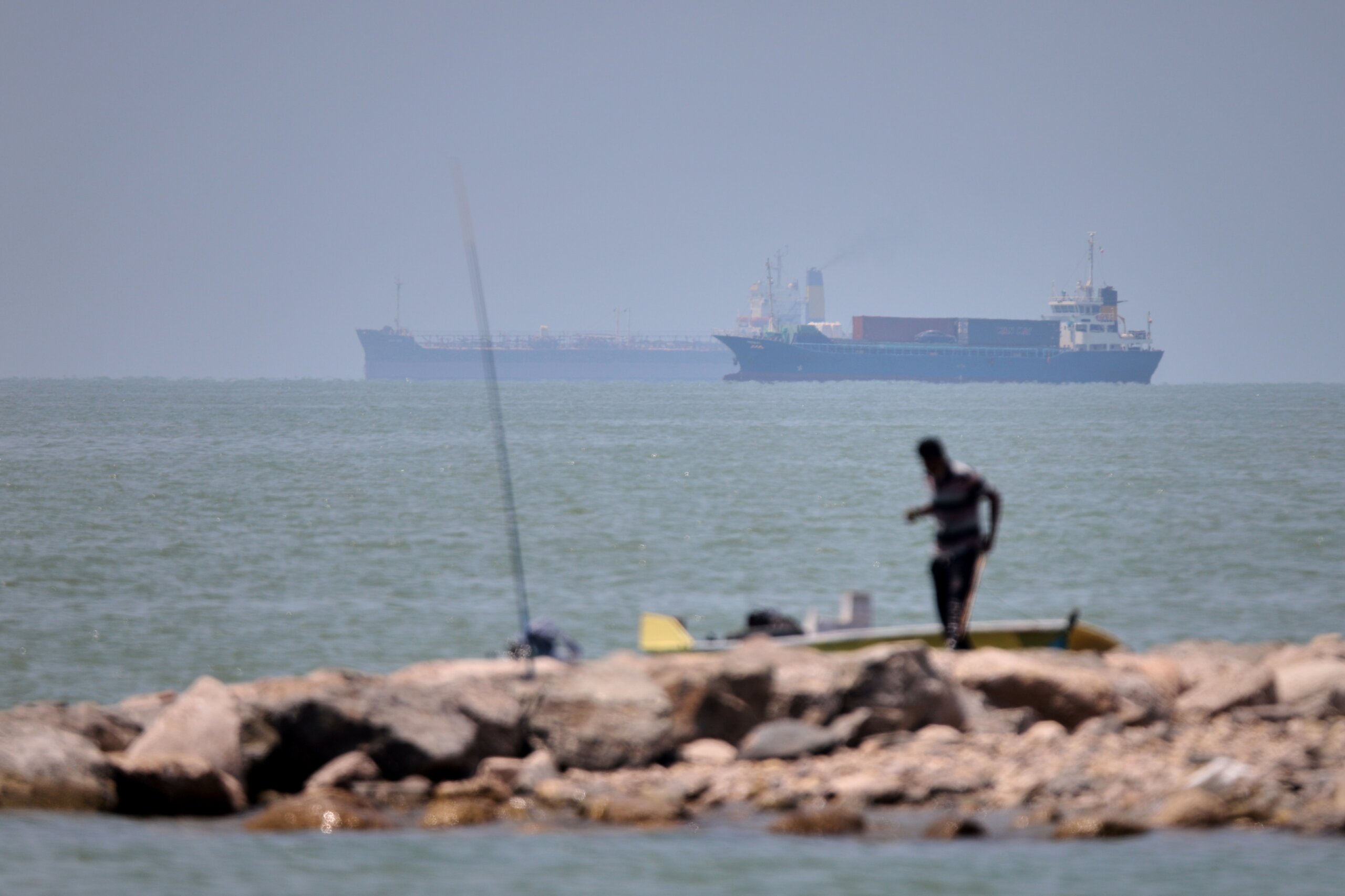
MATANZAS, Cuba (AP) — A Russian tanker docked Tuesday at the Cuban port of Matanzas laden with 730,000 barrels of oil, marking the first time in three months that an oil tanker reached the island.
The administration of U.S. President Donald Trump had allowed the Anatoly Kolodkin to proceed despite an ongoing U.S. energy blockade.
Cubans including Energy and Mines Minister Vicente de la O Levy cheered the ship’s arrival. A shortage of petroleum has exacerbated a deep economic crisis that has left the population mired in long blackouts and facing a severe shortage of food and medicine.
“Our gratitude to the Government and People of Russia for all the support we are receiving. A valuable shipment that arrives amid the complex energy situation we are facing,” de la O Levy wrote on X.
Cuba produces barely 40% of its required fuel and relies on imports to sustain its energy grid. Experts say the anticipated shipment could produce about 180,000 barrels of diesel, enough to feed Cuba’s daily demand for nine or 10 days.
“The arrival of an oil tanker to a country has likely never generated so much news as the Russian one to Cuba,” wrote Cuban Deputy Foreign Minister Carlos Fernández de Cossío on X. “It’s a sign of the brutal siege Cubans endure with heroism and stoicism. It’s a demonstration of the criminal cruelty of imperialism against a nation that refuses to be dominated.”
Some Cubans, however, wondered who would benefit from the newly arrived shipment.
“A ship comes; it gives us aid. But who does it go to? Because we don’t get anything here,” said 54-year-old Matanzas resident Leticia Almeida Barceló. “The ships that come in with oil or anything else don’t give us anything. Because we’re still stuck with blackouts, with water shortages, with shortages and shortages, and we need everything.”
The vessel’s arrival was watched by some fishermen as it docked under the early morning sun.
“We’ve been waiting for the ship to arrive because it’s been some time since any ship entered,” said 50-year-old Armando Ramirez. “And it is needed here for the people, for Cuba.”
Others celebrating the arrival included Matanzas resident Camilo Galves, who watched the ship dock from his home.
“This is undoubtedly a great relief for the Cuban people and a moment of great joy for us amid so many hardships we are experiencing,” he said. “It’s yet another sign that we are not alone in the world.”
Cuba used to receive most of its oil from Venezuela, but those shipments were halted ever since the U.S. attacked the South American country and arrested its leader in early January.
Since then, Mexico also has halted its oil shipments to Cuba as Trump threatened in late January to impose tariffs on any country that sells or provides oil to the island. The U.S. administration is demanding that Cuba’s government ease political repression and liberalize its economy for a lifting of sanctions.
On Sunday night, Trump had said he had “no problem” with a Russian oil tanker off the coast of Cuba delivering relief to the island,
“We don’t mind having somebody get a boatload because they need … they have to survive,” Trump told reporters as he flew back to Washington.
“Cuba’s finished,” he added. “They have a bad regime. They have very bad and corrupt leadership and whether or not they get a boat of oil, it’s not going to matter.”
The vessel is sanctioned by the United States, the European Union and the United Kingdom following the war in Ukraine.
On Monday, when asked about Trump’s decision to allow the Russian oil tanker and not ones from other countries, White House press secretary Karoline Leavitt called it “a decision that will continue to be made on a case-by-case basis for humanitarian reasons or otherwise,” adding that “there’s been no firm change in our sanctions policy.”
Trump and U.S. Secretary of State Marco Rubio have been pressuring for major changes in Cuba’s policies and governance. Both sides have said talks are taking place, as the island’s economic and energetic crises deepen.