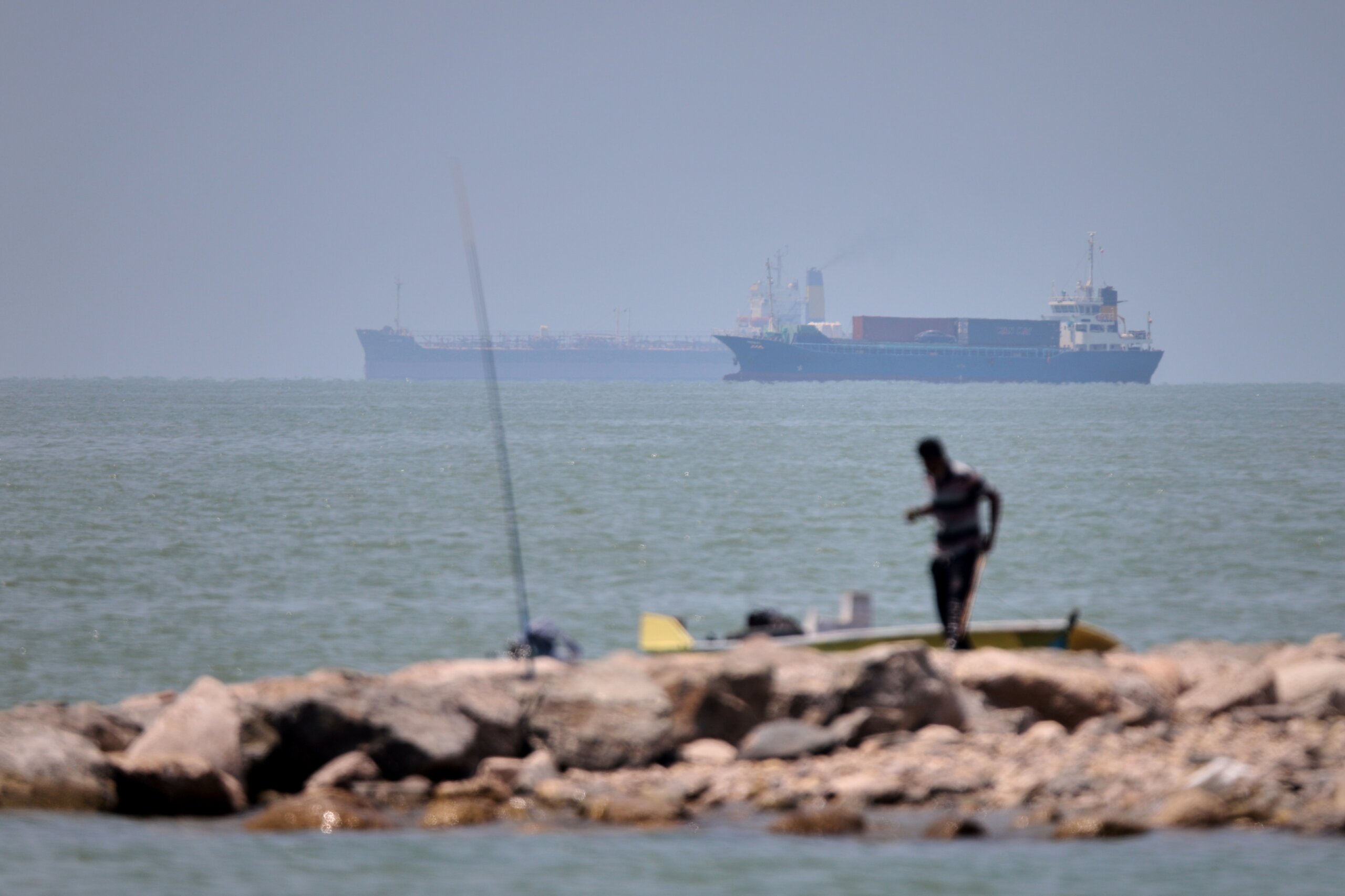
MEXICO CITY (AP) — Environmentalist groups accused Mexico’s government of lying about the origins of a massive oil spill in the Gulf of Mexico, something authorities promptly denied.
The spill of off the coast of the southern Veracruz state has spread more than 373 miles and into seven nature reserves. It has dealt an environmental blow to the region as turtles and other marine life have been found on sea shores coated in oil, and to fishermen who have been unable to work in the oceans they have fished for decades.
Mexico’s government reported that 800 tons of hydrocarbon-laden waste have spilled into the ocean. The government said the spill started in March and the sources were a ship anchored off the coastal state of Veracruz and two sites from which oil naturally flows.
On Monday, a group of 17 organizations — including Greenpeace Mexico, the Mexican Alliance Against Fracking and the Mexican Center for Environmental Rights, or CEMDA — contradicted that claim and said that satellite images they captured show that the root of the spill was actually a pipeline from Mexico’s state-run oil company, Pemex, and that a large oil slick appeared in early February.
“All this lack of information is causing massive economic and environmental damage. So far no one has been held accountable,” Margarita Campuzano, spokesperson for CEMDA, said Tuesday.
Images from February circulated by the activists match images obtained by The Associated Press on Tuesday through Copernicus, the European climate agency. The photos show a boat floating over a sea clouded with what the groups say is oil, which appears to be streaming out of a platform.
The groups said that the boat in the images is Árbol Grande, which specializes in pipeline repair — implying that the government knew about the spill before it had reported and “hid it.”
Pemex called the information and images circulated by the groups “inaccurate” and said the Árbol Grande boat permanently traverses the Gulf of Mexico, “carrying out preventive inspections of platforms and specialized spill response operations.”
Campuzano called for greater transparency and more aggressive investigations by authorities.
“They’re trying to dilute their responsibility when technology makes it very easy to know where this occurred and who is responsible,” she said.
Mexican President Claudia Sheinbaum on Tuesday denied the accusations during her morning press briefing and said that up until now, “no leak has been reported” in state oil infrastructure and that such natural seeps in the Gulf have happened in the past.
She said the government was investigating with scientists if the spill was “due to these natural seeps in the area, which have been reported on many occasions and are well-documented in scientific literature, or a leak from one of the facilities.”
Sheinbaum said that it was more probable that the spill came from the natural seeps, and added that teams were hard at work cleaning up the spill and mitigating the effects.
While government officials recognized the impacts on turtles, birds and fish, and the spread to protected ecosystems, they also insisted that it had not caused “severe environmental damage.”
The accusations come as environmental groups in the United States have also raised alarm after the Trump administration exempted oil and gas drilling in the Gulf of Mexico from the Endangered Species Act, saying environmentalists’ lawsuits threatened to hobble domestic energy supplies during the U.S.-Israeli war with Iran.
Critics said the move could harm marine life and also doom a rare whale species.
___
Associated Press writer Teresa de Miguel in Mexico City contributed to this report.
___
The Associated Press’ climate and environmental coverage receives financial support from multiple private foundations. AP is solely responsible for all content. Find AP’s standards for working with philanthropies, a list of supporters and funded coverage areas at AP.org.”