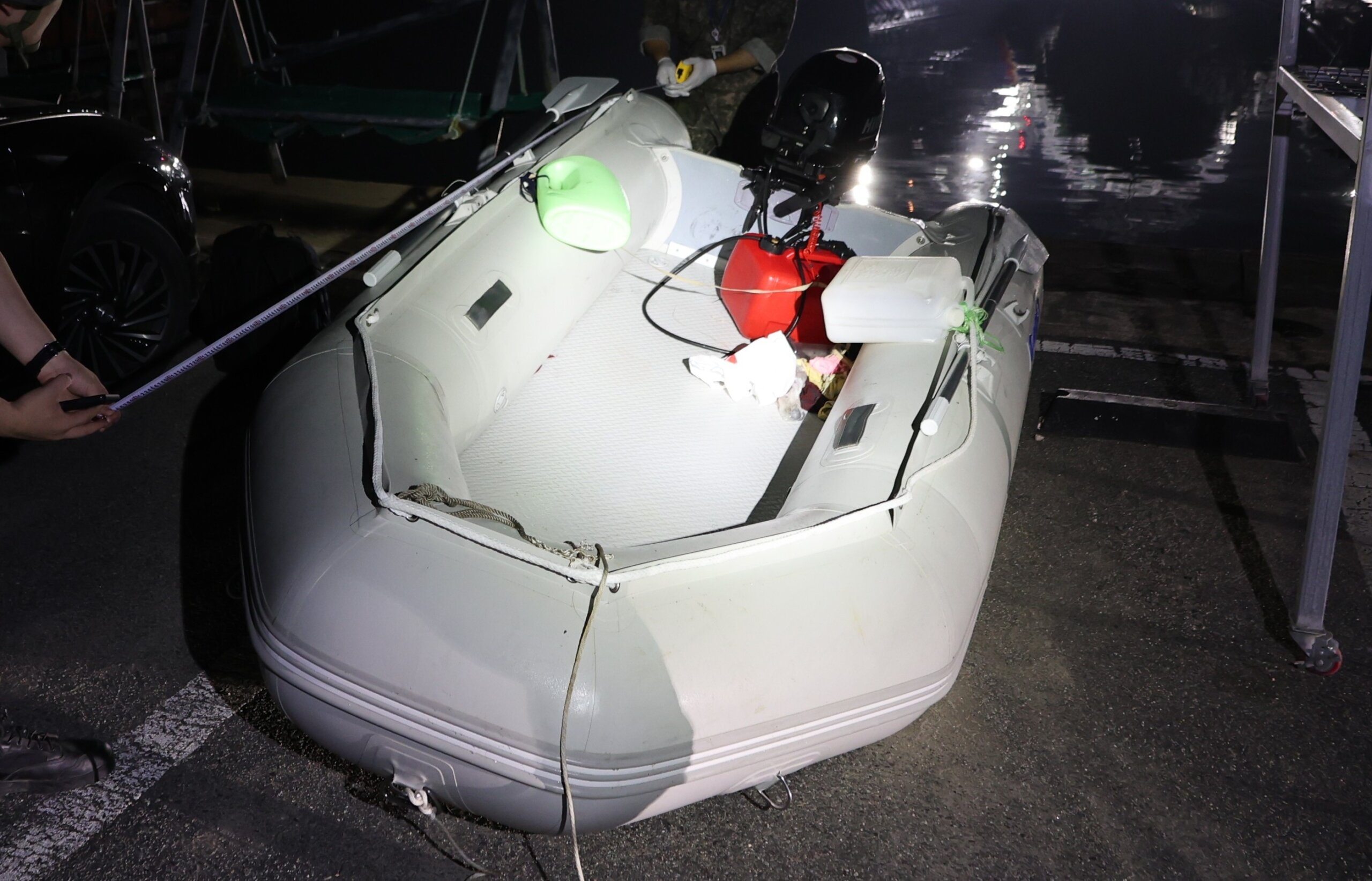
Czech police arrest a man who claimed responsibility for attack on a Russian center in Prague

PRAGUE (AP) — Czech police said Tuesday that they have arrested a foreign national who claimed responsibility for using Molotov cocktails to attack a Russian cultural center in Prague last week.

They said the male suspect turned himself in on Monday and that he acknowledged planning the attack since last summer on the Russian House, which is funded by the Russian state but doesn’t have diplomatic status.

Police did not name the man’s nationality or give any other details.

The incident in the Czech capital took place late Thursday. A photo showed a broken window while two windows and a wall of the building were partly covered with smoke. The building did not catch fire, however.

The center said it organizes cultural, educational and scientific programs and offers Russian language courses.

Its director, Igor Girenko, told the Russian state news agency Tass that six Molotov cocktails were thrown at the building on Thursday and that three of them did not explode.

Russian Foreign Ministry spokeswoman Maria Zakharova, called it “a barbaric act,” while the Russian embassy in Prague asked the Czech authorities to boost security of Russian institutions and its employees in the country.

The Czech Foreign Ministry has condemned the attack.
Iran attacks Bahrain and Kuwait following US strikes, threatens to end talks to end the war

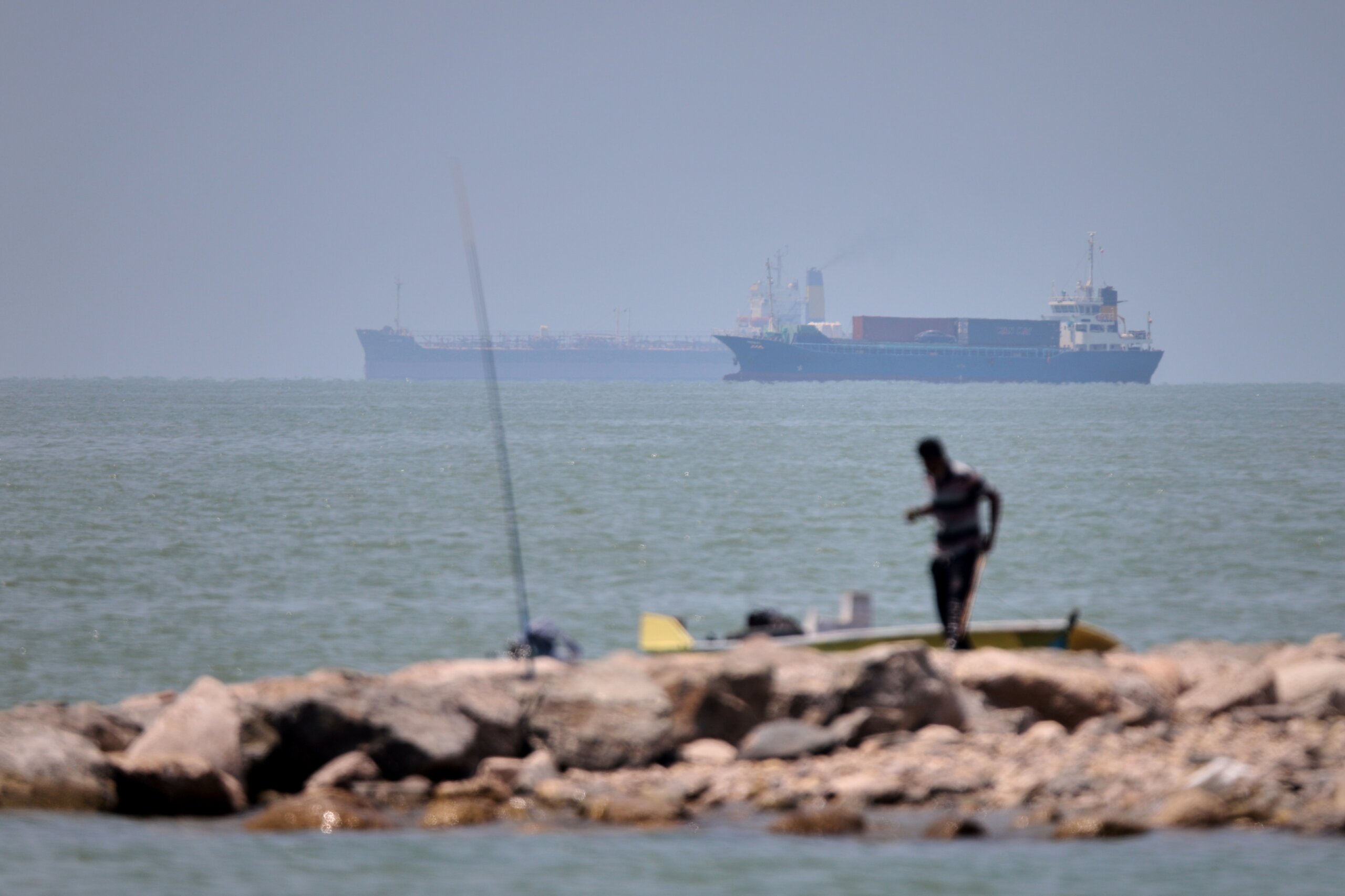
DUBAI, United Arab Emirates (AP) — Iran's paramilitary Revolutionary Guard launched drone and missile attacks Sunday targeting Bahrain and Kuwait in response to U.S. airstrikes that hit the Islamic Republic, and threatened a “complete halt” could come to negotiations to end the war if Washington continues its attacks. Efforts to reopen the Strait of Hormuz, the narrow mouth of the Persian Gulf that once carried a fifth of the world's oil and natural gas, without Iran's direct oversight sparked the crossfire now gripping the region. A multinational maritime body overseen by the U.S. Navy said Saturday that it would expand a route near Oman in the Strait of Hormuz to allow for both inbound and outbound traffic — setting up a new flashpoint with Tehran. Iran insists it alone must govern the strait after the war, upending decades of the world considering that the strait was international waters free for all, despite its sitting in Iran and Oman's territorial waters. Tehran has twice attacked vessels going through the Oman route, backed by a United Nations agency, in recent days. Early Sunday, the U.S. military’s Central Command said it struck Iranian military “surveillance infrastructure, communication systems, air defense sites, drone storage facilities and minelayer capabilities” following an attack on a ship at sea early Saturday morning. That ship, the Panamanian-flagged tanker Kiku, carried crude oil for the state-run energy company of Qatar, a key negotiator between Iran and the United States.
Read Next Story