SALT LAKE CITY (AP) — Utah’s new congressional map, which gives Democrats a high likelihood of picking up a U.S. House seat in the Salt Lake City area, is likely to remain in place beyond this election cycle because a Republican-led initiative to repeal the state’s anti-gerrymandering law failed to make the November ballot.
The GOP effort, endorsed by President Donald Trump, aimed to reverse a 2018 measure passed by Utah voters that established an independent redistricting commission and banned drawing districts that deliberately favor one political party over another.
A state judge ruled that the Republican-led state Legislature violated those standards when it drew boundaries after the 2020 census that divided the Democratic stronghold of Salt Lake City among all four House districts. Judge Dianna Gibson put in place a new map that gives Democrats a prime opportunity to pick up a seat this year as they’re fighting to retake chamber.
Repealing the law would have allowed Republicans to enact a more favorable congressional map ahead of the 2028 elections. But their multimillion-dollar signature gathering campaign fell below the threshold needed to qualify for the ballot this year after anti-gerrymandering advocates got thousands of people to remove their signatures, according to data released Thursday by elections officials.
Better Boundaries, the nonprofit that led the signature removal push, celebrated the outcome Thursday.
“A majority of Utah voters approved Prop 4 in 2018, and we look forward to the day when Utah voters can finally pick their politicians, not the other way around,” said Executive Director Elizabeth Rasmussen.
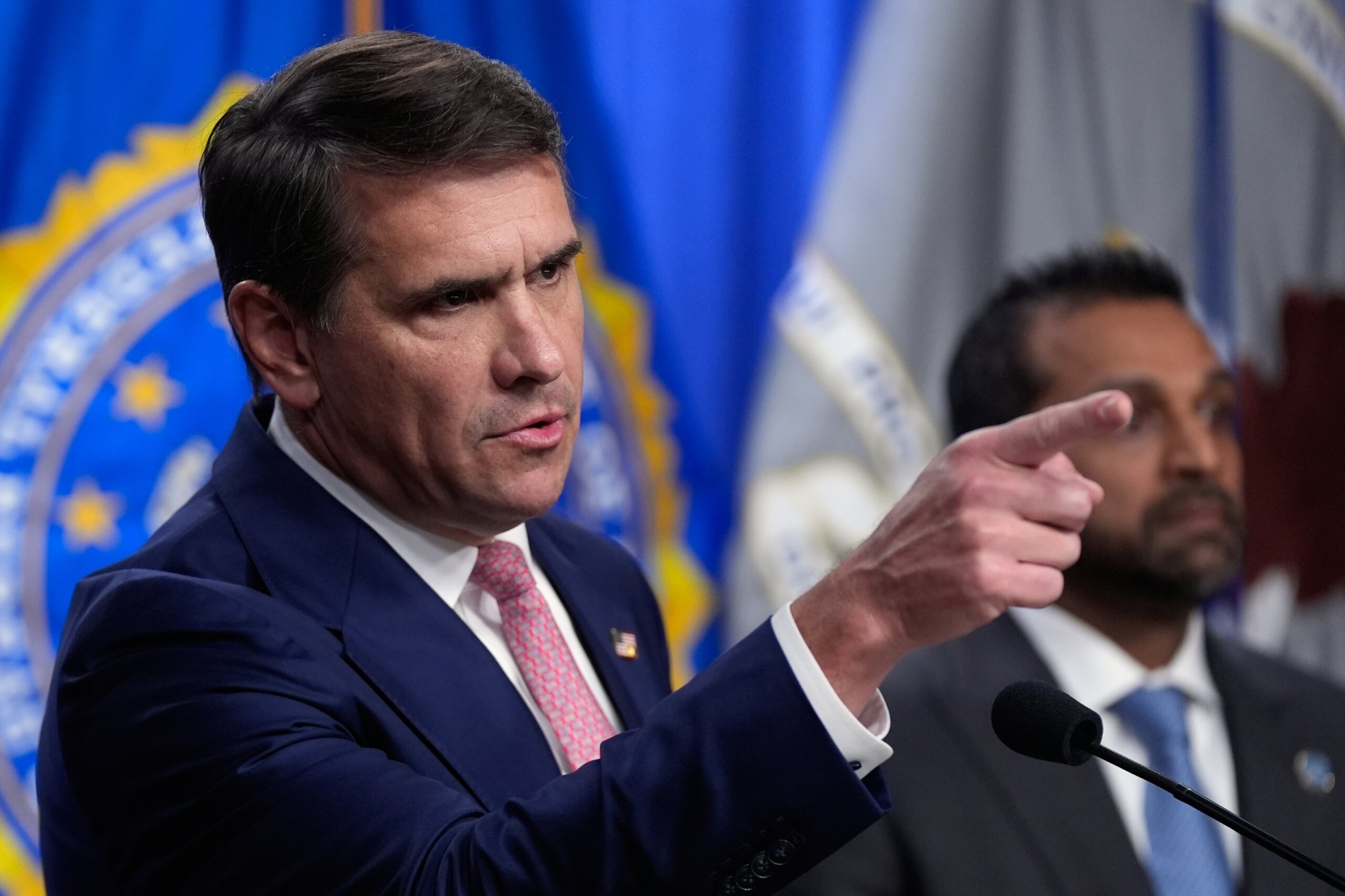
Utah Republican Party Chair Rob Axson said efforts to repeal the law are “not over, but just beginning.”
“We have significant concerns about the practices utilized by the opposition and continue to review the signature validation and removal process,” he said in a statement.
The unlikely wins for Democrats in deep-red Utah come as the parties are locked in a state-by-state national redistricting fight.
After Trump called on Texas Republicans to redraw U.S. House districts to their advantage last year, Democrats countered with new congressional districts in California, and a redistricting battle soon spread to other states.
Republicans in Missouri, North Carolina and Ohio have all enacted new congressional maps that they believe could help them win seats in the midterm elections. Voters in Virginia will decide in an April 21 election whether to authorize a mid-decade redistricting that could help Democrats win more U.S. House seats. And Florida Gov. Ron DeSantis has called a special legislative session on congressional redistricting to occur in mid-April.
Lawmakers in several other states, including Democrat-led Maryland and Republican-led Indiana and Kansas, also have considered congressional redistricting but have not passed new maps.