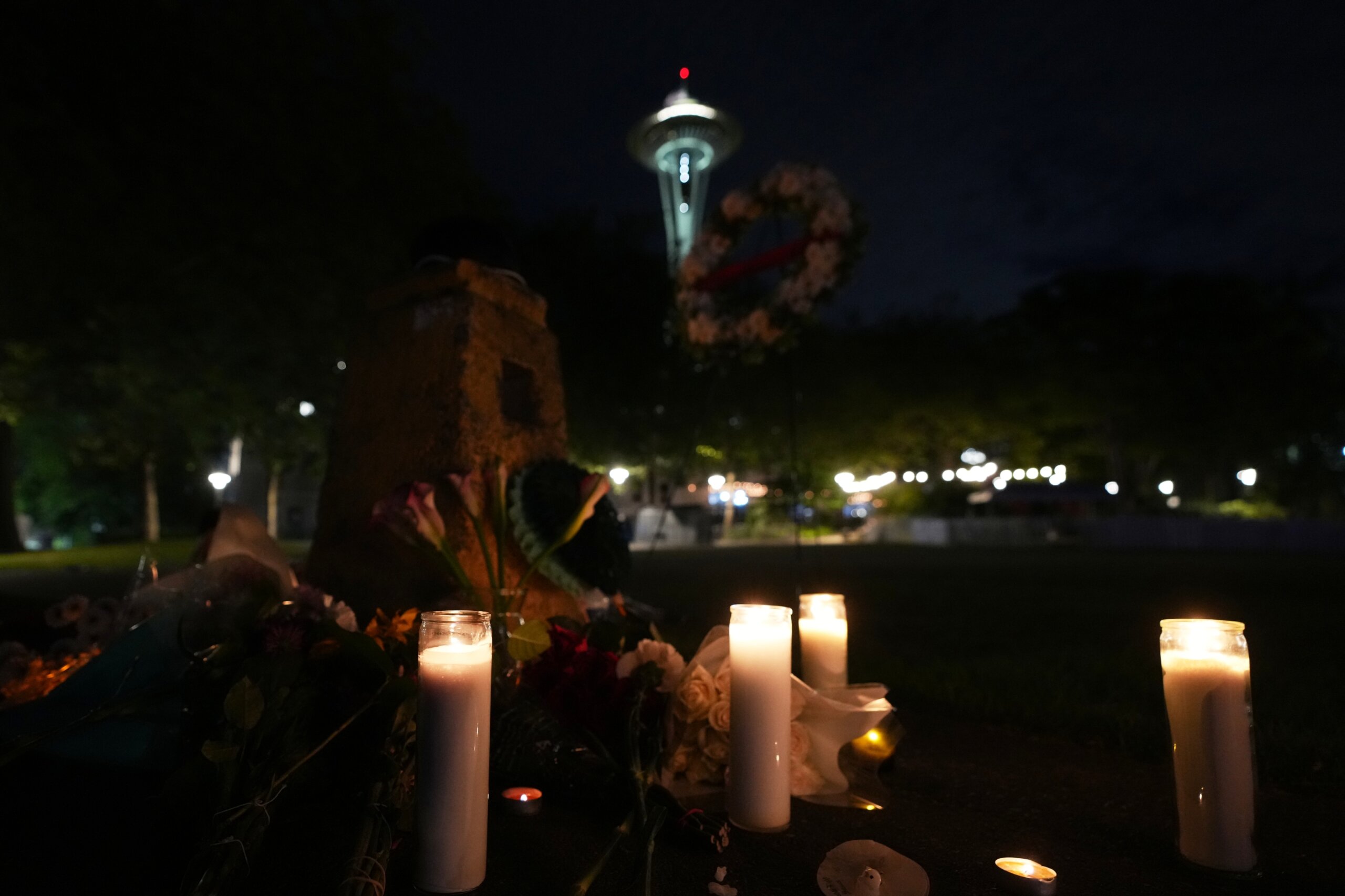
Crews began demolishing Pulse nightclub in Orlando, Florida, on Wednesday to make way for a memorial that will pay tribute to the 49 people killed in the attack at the LGBTQ-friendly club nearly a decade ago.
Construction workers began tearing down walls in the long-shuttered venue that were still scarred by bullet holes from the June 12, 2016, attack, when a gunman opened fire during a Latin night celebration, killing dozens and wounding 53 other people before police killed him following a standoff.
The city of Orlando purchased the Pulse property in 2023 for $2 million and plans to build a $12 million permanent memorial that will open in 2027. Those efforts followed a botched multiyear attempt by a foundation run by the club’s former owner to buy the property.
The plan for the memorial comes at a fraught time for monuments to LGBTQ+ history since President Donald Trump’s second term began. The federal government removed a pride flag outside of Stonewall National Monument last year, following a National Park Service memo that prohibits the agency from flying any flags besides the U.S. flag and the flag of the Department of the Interior.
A similar battle played out in Orlando last year, when local officials clashed with Republican Gov. Ron DeSantis because workers painted over a rainbow mural on the crosswalk in front of Pulse. The move came after the Florida Department of Transportation issued a memo that prohibited “surface art” associated with “social, political or ideological messages or images and does not serve the purpose of traffic control.”
The Pulse attacker had pledged allegiance to the Islamic State group.