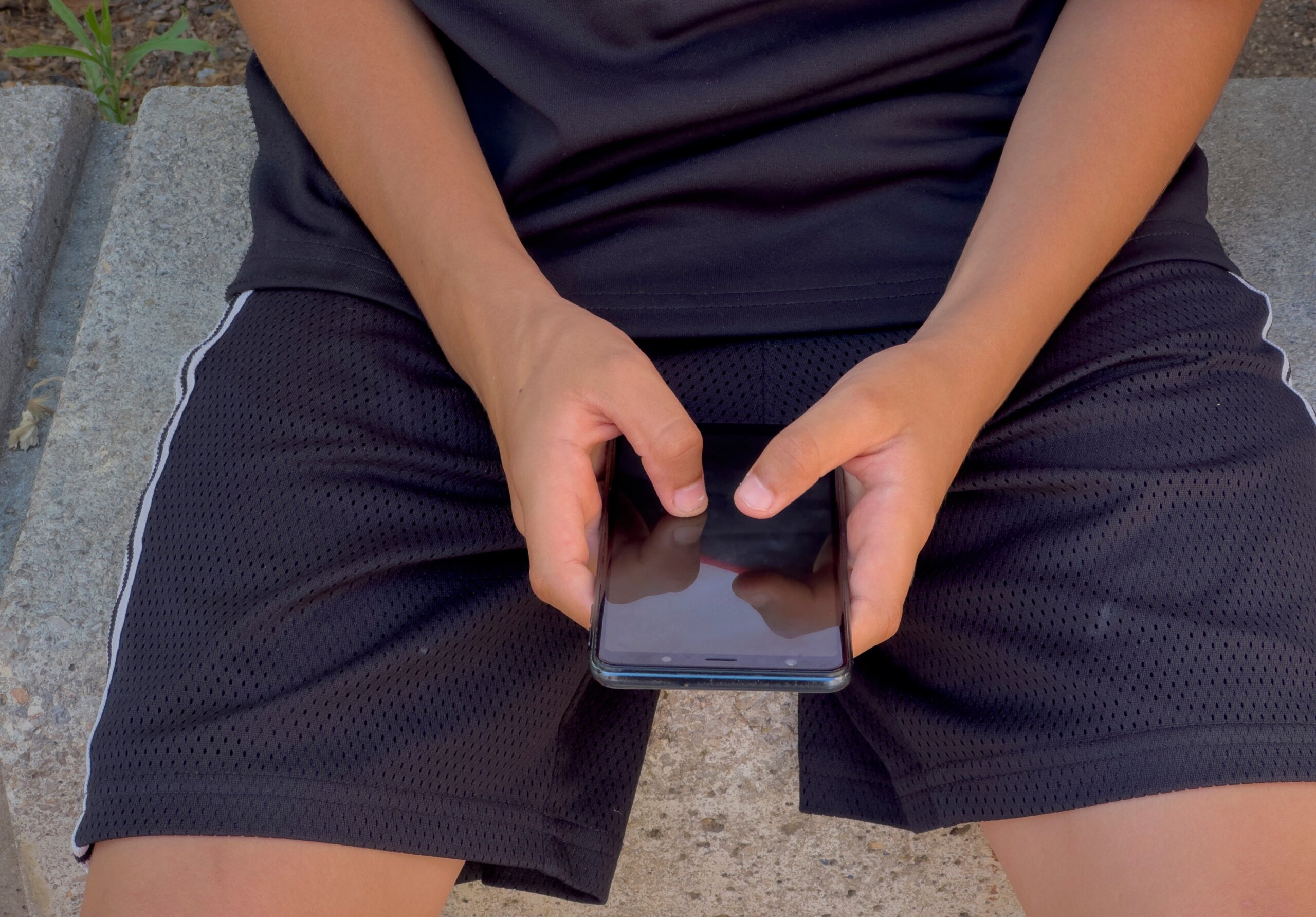
ZURICH (AP) — YouTube made a World Cup deal with FIFA on Tuesday that lets rights-holding broadcasters stream game action live on the video platform that offers global access to young viewers.
FIFA announced a “game-changing partnership” that encourages World Cup rights holders to broadcast the first 10 minutes of games during the June 11-July 19 tournament — in effect an appetizer encouraging young fans then to watch on traditional channels such as network TV.
In addition, broadcasters “will be able to stream a select number of matches in full on their YouTube channel, engaging global audiences and promoting where to watch more of the competition,” FIFA said.
The value of the deal for FIFA was not disclosed.
FIFA also pledged to share some of its World Cup archive on YouTube “including full length past matches and many more iconic moments in the sport’s history.”
YouTube was a lower-tier sponsor at the 2022 World Cup in Qatar in a deal that promised “creators will be on the ground capturing amazing behind the scenes content of the FIFA World Cup.”
At the upcoming World Cup co-hosted by the United States, Canada and Mexico, FIFA will give “a global cohort of YouTube creators unprecedented access” around the 104-game tournament.
___
AP soccer: https://apnews.com/hub/soccer