JERUSALEM (AP) — The man who attacked a Michigan synagogue was the brother of a Hezbollah commander killed earlier this month in an Israeli airstrike, Israel’s military claimed Sunday.
Ibrahim Ghazali was killed in the March 5 strike in Lebanon along with three other relatives of the attacker in Michigan — a week before authorities allege Ayman Mohamad Ghazali drove his car into a major synagogue outside Detroit and killed himself after security fired at him.
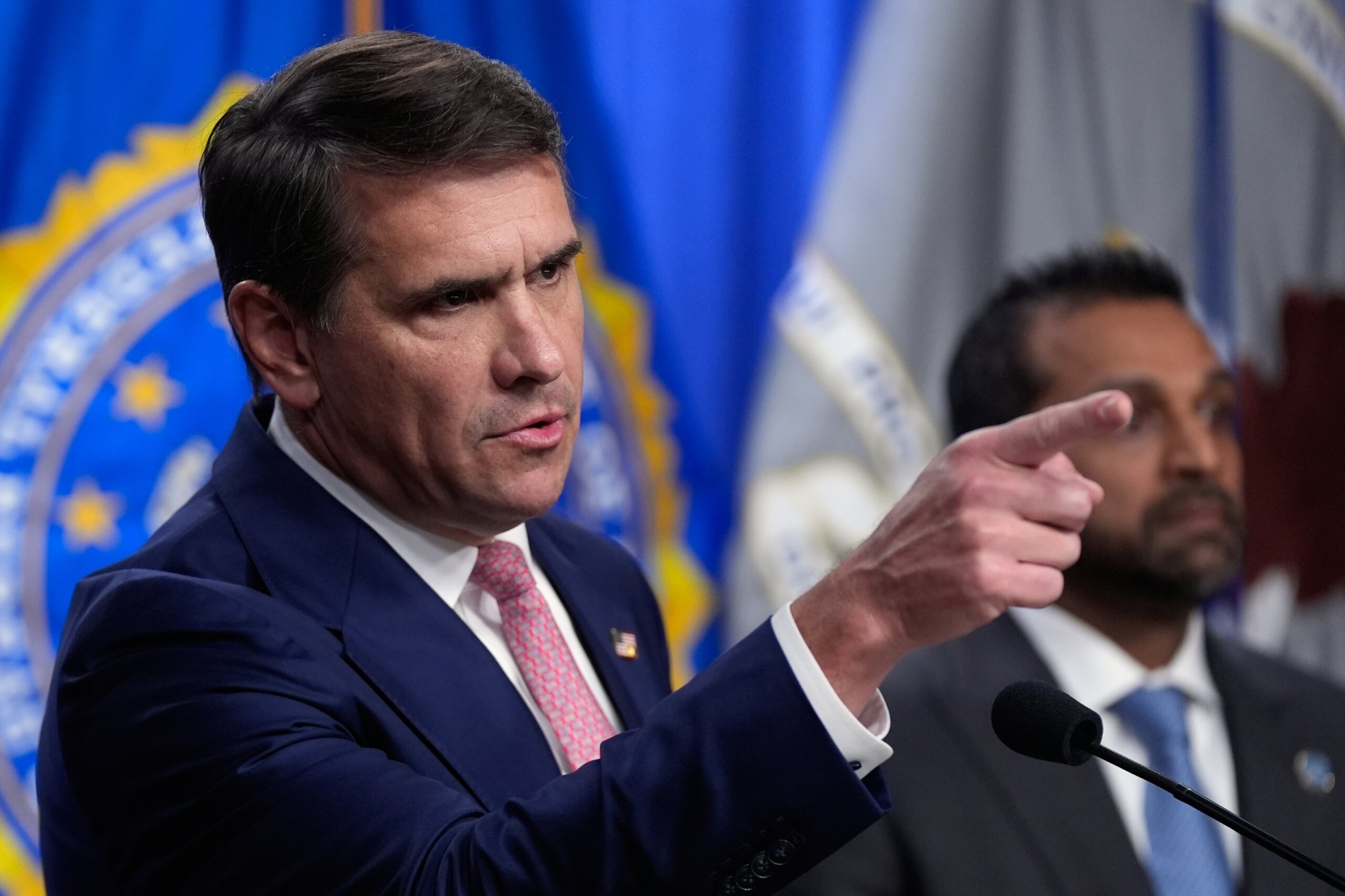
The FBI’s Detroit office, which is investigating the synagogue attack, declined to comment on the claims by Israel’s military about Ibrahim Ghazali.
“Out of respect for the ongoing investigation, we will continue to refrain from commenting on its substance,” FBI spokesman Jordan Hall said in an email Sunday.
The Israeli military alleges Ibrahim Ghazali was a Hezbollah commander who managed weapons for a unit that fired rockets at Israel.
A Lebanese official, who requested anonymity because he could not publicly discuss details of the airstrike, has confirmed Ibrahim Ghazali’s death. The official told The Associated Press that Ghazali’s children, Ali and Fatima, and brother, Kassim, were also killed in the strike that struck their home just after sunset.
In a statement sent to the AP in Beirut, Hezbollah said that the brothers, Ibrahim and Kassim, were a referee in a local soccer league and a scout member, and they were targeted at home along with their children, but didn’t explicitly deny that Ibrahim was in the group.
Authorities have said that Ayman Ghazali, 41, carried out the synagogue attack after learning that four of his family members were killed in the Israeli strike.
Israel has stepped up attacks on the Iranian-backed militant group Hezbollah in Lebanon as the war with Iran has spread violence across the Middle East.
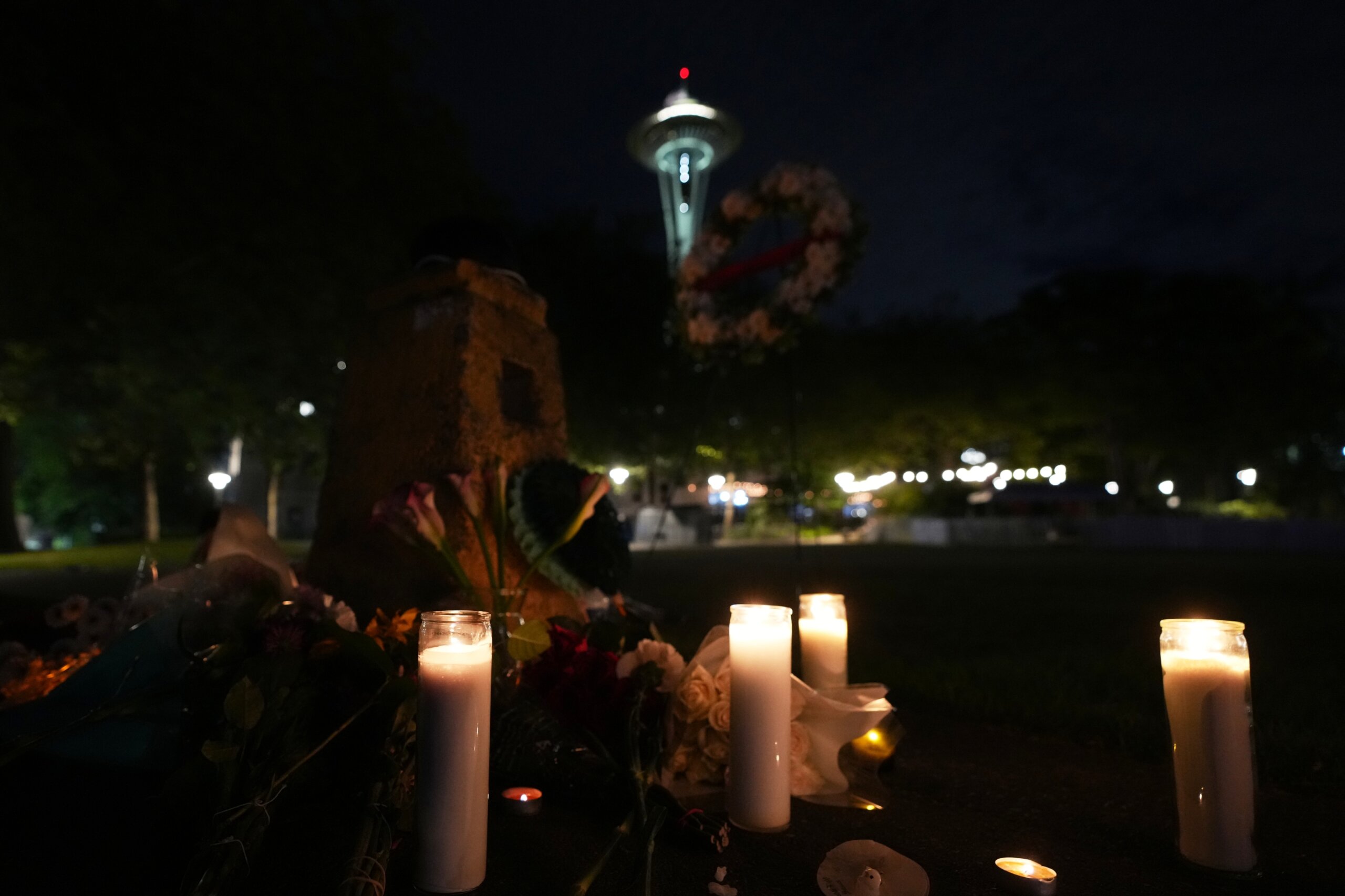
On Thursday, Ayman Ghazali waited in his car outside Temple Israel, near Detroit, for about two hours with a rifle, commercial grade fireworks and jugs of liquid believed to be gasoline, before crashing into the building full of dozens of children, according to authorities.
He started firing his gun through the windshield, exchanging fire with an armed security guard. Ghazali fatally shot himself after he got stuck in his vehicle and the engine caught fire, said Jennifer Runyan, the special agent in charge of the FBI’s Detroit field office. No staffers or children inside the synagogue were hurt, likely due to beefed up security in recent months.
The FBI, which is leading the investigation, described the attack on one of the nation’s largest Reform synagogues as an act of violence targeting the Jewish community. But the agency said it didn’t have enough evidence yet to call it an act of terror.
Ghazali came to the U.S. in 2011 on an immediate relative visa as the spouse of a U.S. citizen and was granted U.S. citizenship in 2016, according to the Department of Homeland Security.
He lived in a single-story brick home in the Detroit suburb of Dearborn Heights about 40 miles (60 kilometers) south of the synagogue.
The attack on the Michigan synagogue took place on the same day as a former Army National Guard member who served years in prison for attempting to aid the Islamic State group opened fire on a classroom at Old Dominion University in Virginia, killing one person and wounding two others.
___
Mroue reported from Beirut.