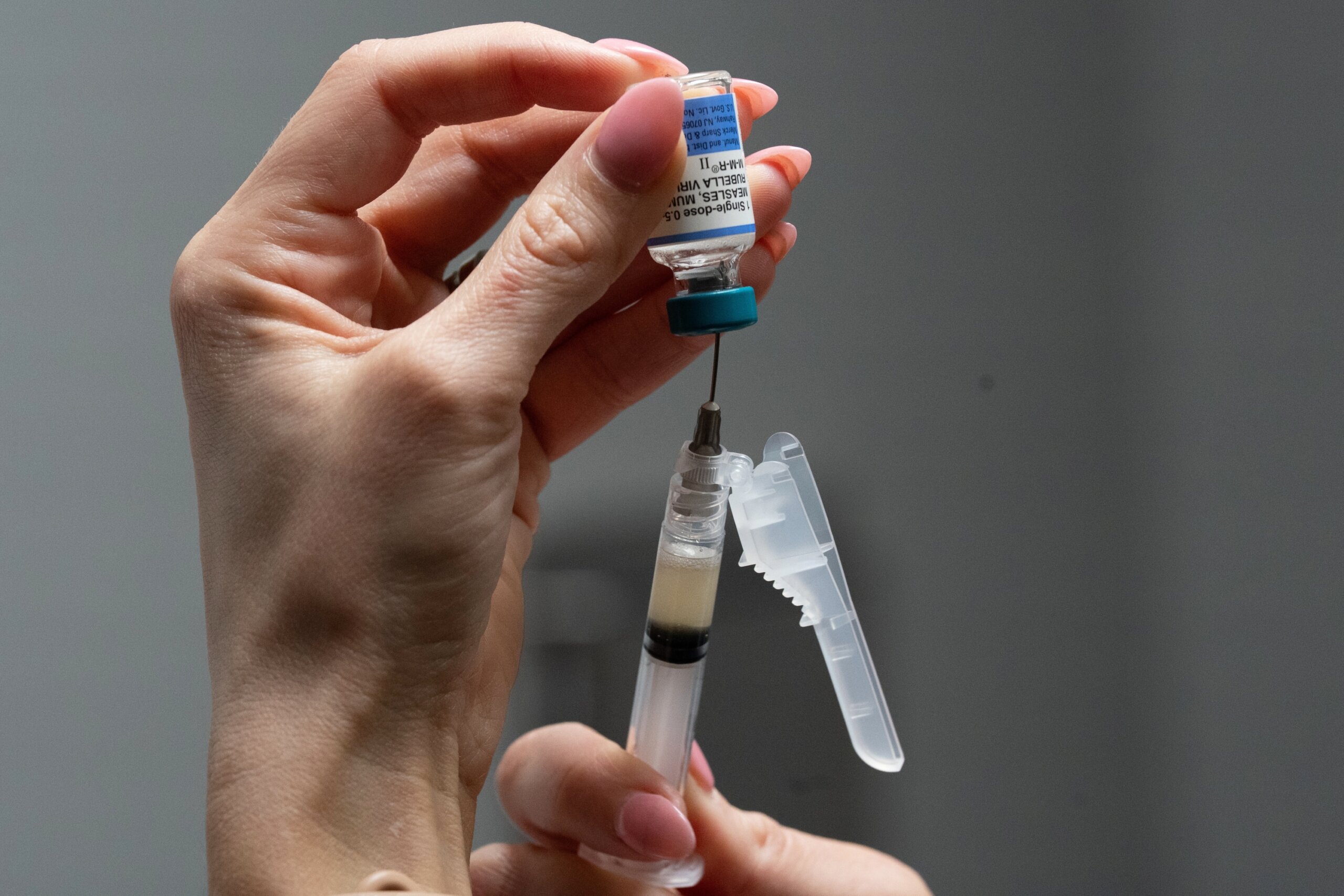
Flu season is well underway and with the holiday season coming up, it’s definitely something you want to avoid if possible.
A local clinician talked about what you should be doing even if you’ve had the flu this season.
Can you get the flu more than once?
“If you’re unlucky, you can,” said Jon Gonella, a physician assistant with MedStar Health. “There are different strains of the flu, and you can get the flu more than once.”
He said it’s not too late to get that flu shot, and the sooner the better as it takes about two weeks for the antibodies to develop.
“We absolutely recommend that you get the flu shot, even if you’ve had the flu this year,” Gonella said.
He said it protects not only you, but your loved ones as well.
“It also can help prevent you from transmitting the flu to other people. And I would also say extremes of age are more susceptible to complications from the flu,” he said, warning that younger children and older folks and certainly anybody that’s immunocompromised are also susceptible.
Gonella said MedStar Health has seen an increase recently in flu cases — and he expects the numbers to keep rising.
“Since the beginning of this month, we’ve seen about a 10% increase in our cases” in the clinic, he said.
Gonella said while the flu shot doesn’t 100% protect you from the flu, it does decrease your chances of getting it. And if you do get the flu, it helps protect you from getting a severe case.
“It will help minimize your symptoms and shorten the amount of time that you’re sick. I’ve taken care of many patients who told me they never get the flu shot, and then they get the flu and they regret it,” he said.
“So I would tell everyone that’s listening, you don’t want to get the flu. It’s not fun. A flu shot is easy to get and it will protect you,” he said.