A team of researchers at Johns Hopkins University has launched a study, evaluating the risk of collapse at bridges nationwide following the deadly collapse of the Francis Scott Key Bridge in Baltimore.
The team plans to develop modern risk models and identify which bridges are vulnerable to a catastrophic ship collision.
Their focus is on larger bridges, particularly ones near major ports of entry.
“In this case, our hypothesis is that we really don’t have a good grasp on what the risk really is and what the probability of these events really is,” said Michael Shields, the team’s leader and a Johns Hopkins engineer specializing in risk assessment.
According to Shields, the risk of the Key Bridge collapse was “underestimated” and the probability of another such incident in the United States is likely “much higher” than current design standards presume.
“We need to rethink our design standards and the way that we evaluate current infrastructure,” Shields said. “What we hope is that we’ll be able to make real assessments of what the probability or the chances of future incidents could be.”
Experts and officials have noted a number of factors that made the bridge vulnerable, including minimal pier protection that hadn’t been improved in recent decades even as cargo ships grew larger and more imposing.
“Clearly the risk to the Key Bridge was very different in 2024 than it was in 1977 when the bridge opened,” Shields said. “But we don’t currently understand that risk.”
- The latest on the Key Bridge collapse and recovery in Baltimore
- WATCH LIVE: Key Bridge removal, cleanup begins in Baltimore
- PHOTOS: Baltimore’s Francis Scott Key Bridge collapses after being struck by ship
The team plans to circulate its findings to policymakers in an effort to help them prioritize infrastructure improvement spending.
“The idea would be to put protections in place that need to be there,” Shields said.
The team has already begun its investigation and hopes to release preliminary results by the end of the summer, with the full study taking about one year to complete.
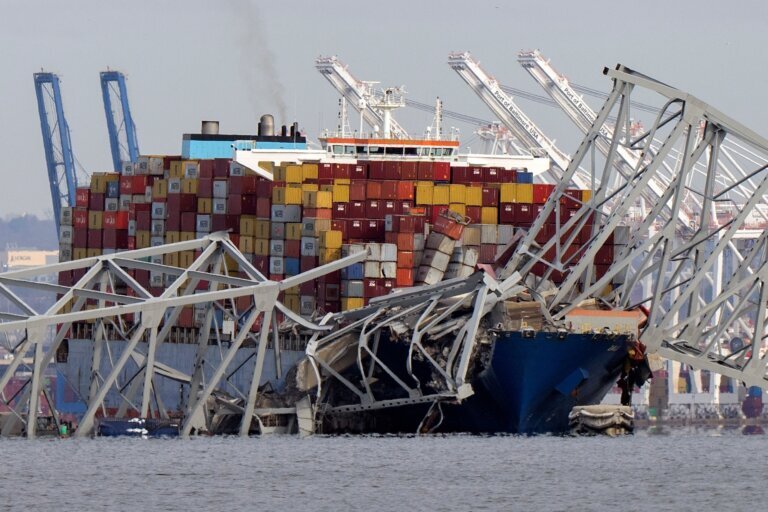
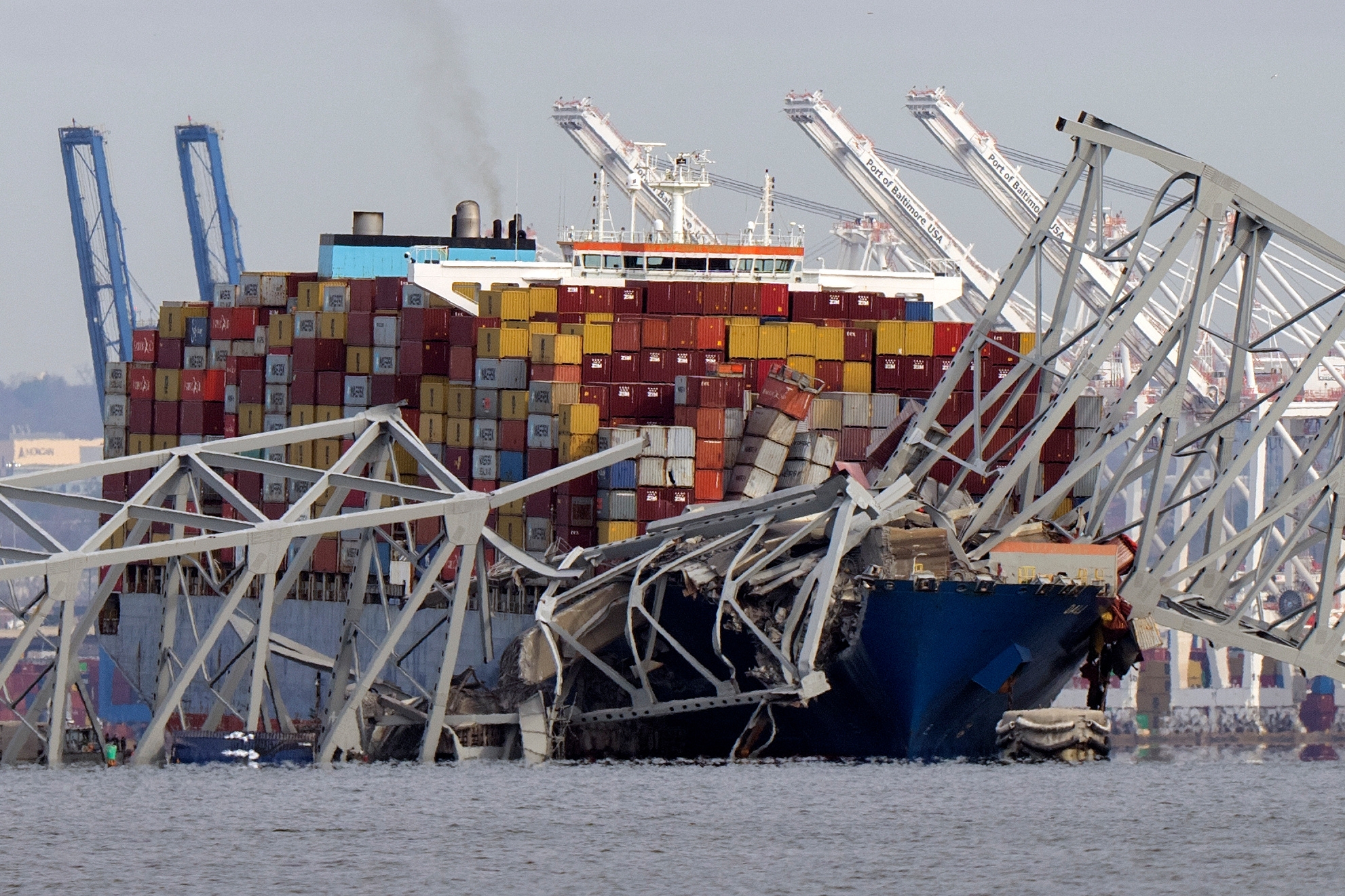
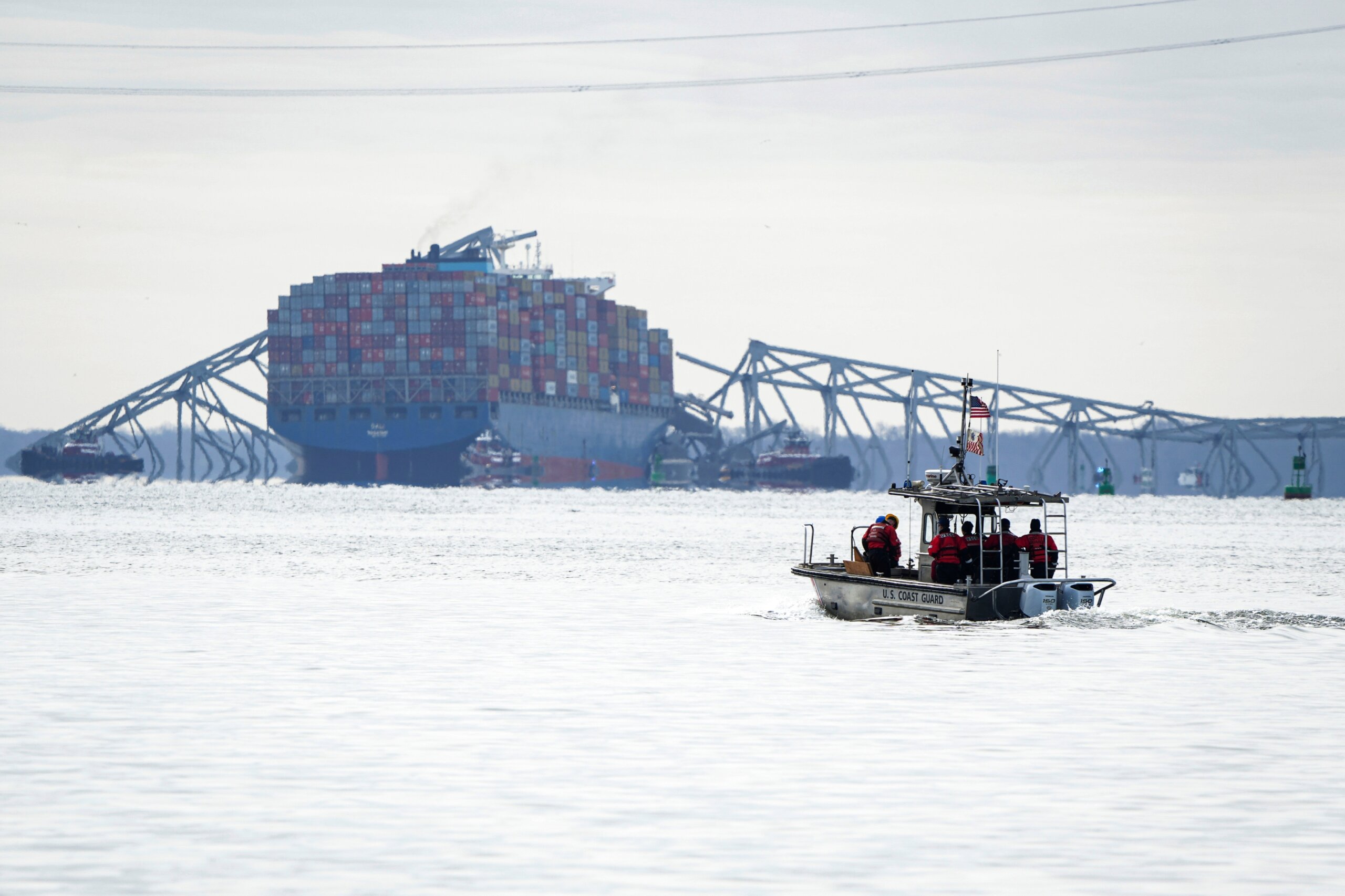
Baltimore’s Key Bridge collapsed March 26 after being struck by the cargo ship Dali, which lost power shortly after leaving Baltimore, bound for Sri Lanka.
Those operating the ship issued a mayday alert with just enough time for police to stop traffic, but not enough to save a roadwork crew filling potholes on the bridge.
Six workers plunged to their deaths.
The Associated Press contributed to this report.