A Maryland-based gym that offers accessible fitness classes and facilities to people of all abilities, is expanding into Northern Virginia.
SPIRIT Club founder Jared Ciner said many gyms aren’t designed in a way that allow people of varying levels of physical or mental ability to participate comfortably.
“It could be anything from the environment itself — the culture of the gym might not be one that is welcoming,” Ciner said.
“Classes might be designed in a way where … a person with an intellectual disability might not be able to follow the instructions … or physically, there might not be modifications offered in the exercises that are taught for someone in a wheelchair.”
Now, through partnerships with other gyms, SPIRIT Club is offering personal training and group exercises with its own instructors in Northern Virginia, including REPFIT gym in Herndon, as well as eXurb Fitness in Fairfax. You can find a listing and schedule on its website.
“Our goal is to build up enough programs in the area where we can have our own gym space similar to what we do in Kensington and Columbia and create that vision of this inclusive, integrated fitness facility in Northern Virginia as well,” Ciner said.
Ciner started the company in 2013 and opened its first facility in Kensington, Maryland, in 2015. About a year ago, Ciner opened a second location in Columbia, and he said they’re in the early stages of developing another site in Baltimore.
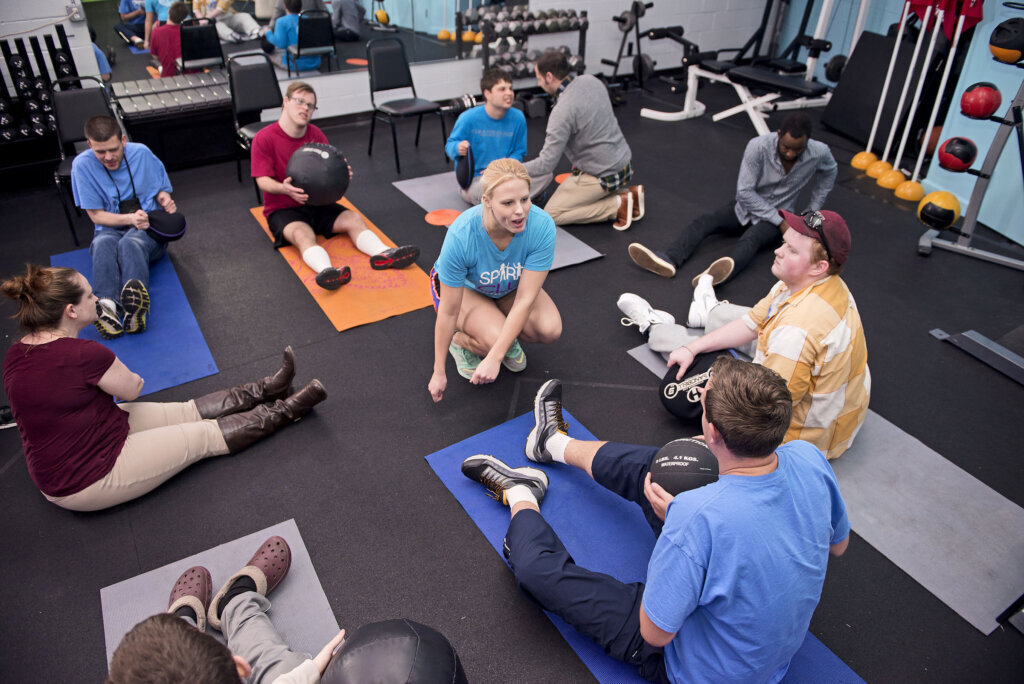
With a background as a personal trainer, Ciner founded SPIRIT Club after working as a support counselor for adults with developmental disabilities.
SPIRIT Club offers more than just a universal design for fitness, but also a chance to build community, he said.
“I realized that using fitness as a tool to help people — not just with their physical health — but also with building social connections, working on mental and emotional well-being, confidence and mood,” Ciner said. “Those things are really directly tied to exercise and physical activity.”
Much of the staff at SPIRIT Club, whether it be trainers or administrators, are people who have a disability or some type of lived experience, according to Ciner. He said it builds a sense of belonging for everyone involved.

In 2015, Ciner along with others launched the Spirit Club Foundation, which provides financial assistance to people with disabilities so they can access programs to achieve their fitness goals. He said the foundation is working on a new initiative to help transport people to gyms.
“For people who want to exercise at a gym but don’t have transportation, [we’re] trying to help supplement those costs or find resources for that,” Ciner said.