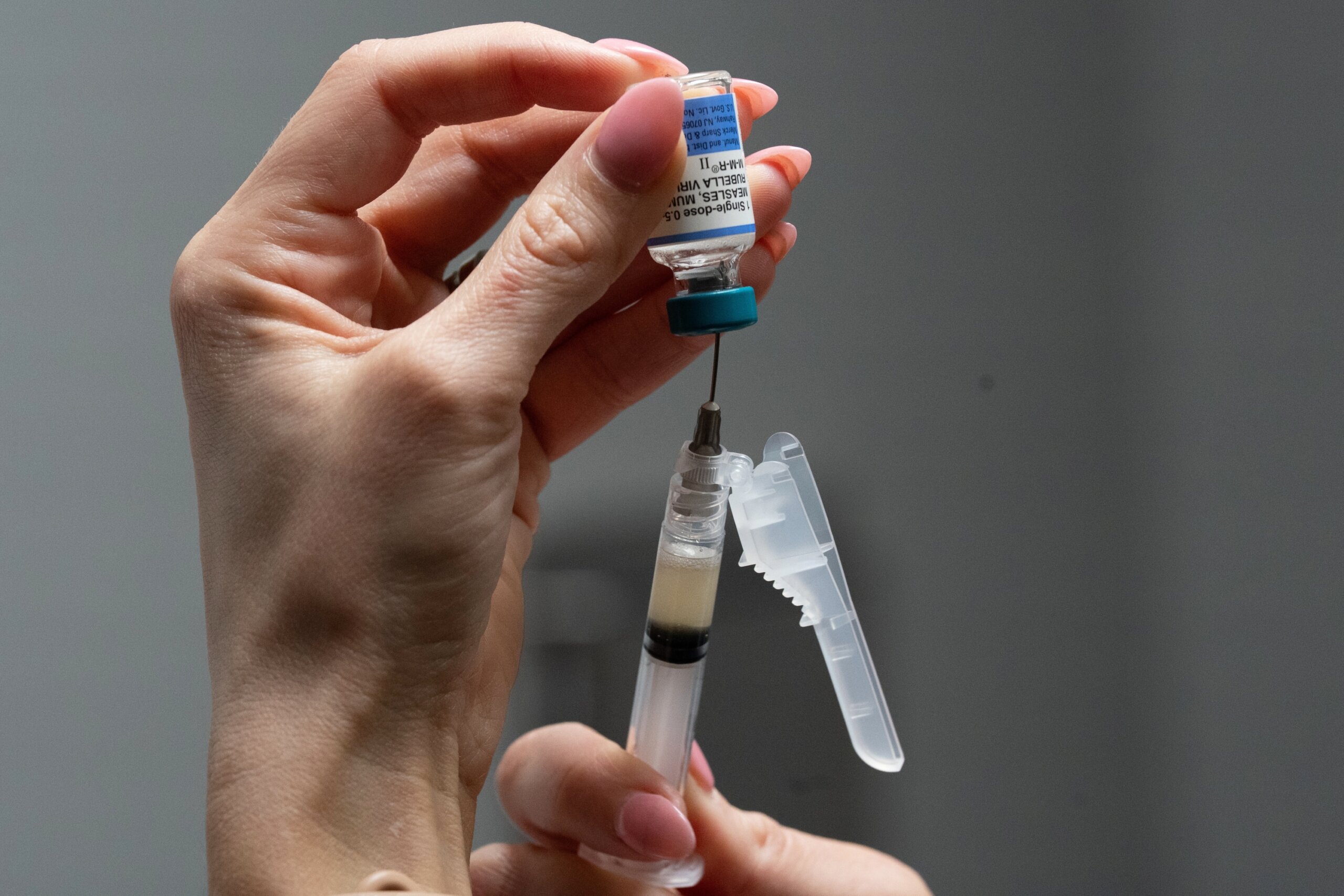
A social media trend deemed “the budget Ozempic” is being called dangerous by health care providers. Despite what some on TikTok might claim, using laxatives for weight loss doesn’t work and can cause dehydration and kidney issues.
“Can’t wait to lose weight,” one woman in a video on TikTok said before pouring a healthy dose of MiraLAX into her drink.
Weight loss drugs such as Wegovy and Ozempic have become hugely popular, but they are expensive and it has prompted some to look for a cheaper medicine.
“Things become a fad,” said Dr. Jean-Pierre Raufman, chief of gastroenterology at the University of Maryland Medical Center.
Primarily, the weight loss from laxatives is related to the loss of water from the body. Laxatives stimulate the secretion of water into the stool and you lose that water with bowel movements. You’re not losing fat and he said as soon as you drink you’re going to retain water.
Raufman, who’s also a professor and chair of the Division of Gastroenterology and Hepatology at U.Md., told WTOP the multiple trips to the bathroom can cause long-term health problems.
“It can cause kidney injury over time and prolonged use of laxatives can be, in a sense, addictive. The bowel then starts to depend on laxatives for regular bowel action,” he said.
Chronic use can also have harmful effects on your kidneys and colon.
Raufman said it can also lead to shortages of medicines, such as MiraLAX, Dulcolax and ex-lax, for people who need them.
“There are people who have constipation for other reasons like irritable bowel syndrome, or … paraplegics, for example, who have nerve injury.”
Instead of the rather disgusting trend, if you want to lose weight, the tried and true healthy diet remains the best option.
“A calorie restricted diet, something reasonable, that people can live with for a long period of time,” said Raufman about the key to losing weight and keeping it off.