Invisible disabilities are disabilities that aren’t always outwardly apparent, such as ADHD, brain injuries, epilepsy, chronic diseases, mental illness and more.
Just like people with physical disabilities, those with invisible disabilities often need workplace accommodations too.
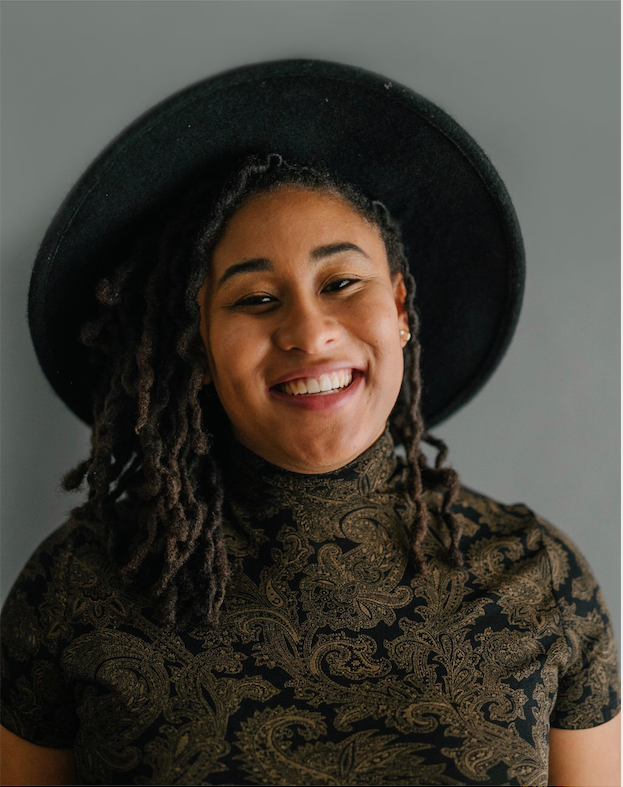
D.C. entrepreneur Mariah Barber launched an app in 2021 called Invisible Strengths — currently in the pilot testing phase — which connects job seekers with invisible disabilities with potential employers.
“As an employer you are putting the accommodations you will provide with your job. And on the other side, as a job seeker, you put what accommodations you are looking for as well as any skills and identities that you would put with any other job application,” said Barber, a certified education specialist and Diversity, Equity and Inclusion consultant.
An estimated one in four Americans lives with a disability, and on average, they are twice a likely to be jobless as people without a disability.
Invisible Strengths is open to any job seeker, but it was specifically created for job seekers in the LBGTQ and BIPOC (black, indigenous and people of color) communities.
“Statistics show that if you are in these groups and have a chronic condition or disability, you are more likely to be unemployed or underemployed because of it,” Barber said.
“Sometimes it can be more stigmatizing for an individual who is also an individual of color to be able to come forward.”
The app also includes tools for employers who are interested in improving their DEI efforts. It is free to job seekers. Employers pay a subscription fee.