One way to measure restaurant sales is by the sales taxes they pay, and in D.C., the restaurant business has recovered to pre-pandemic levels by that measure.
The D.C. Office of the Chief Financial Officer’s economic and revenue trends report shows D.C. restaurants paid $32.3 million in sales taxes in August, topping the $30.6 million paid in August 2019. Sales taxes paid by D.C. restaurants fell to just $12.8 million in August 2020 at the height of the pandemic.
The increase in restaurant sales tax collections may also reflect higher menu prices than four years ago, partially offset by the number of restaurants that have permanently closed.
Sales taxes paid by D.C. hotels, which fell to just $2.8 million in August 2020, reached $16.9 million this August. However, that’s still below the $17.9 million paid in August 2019.
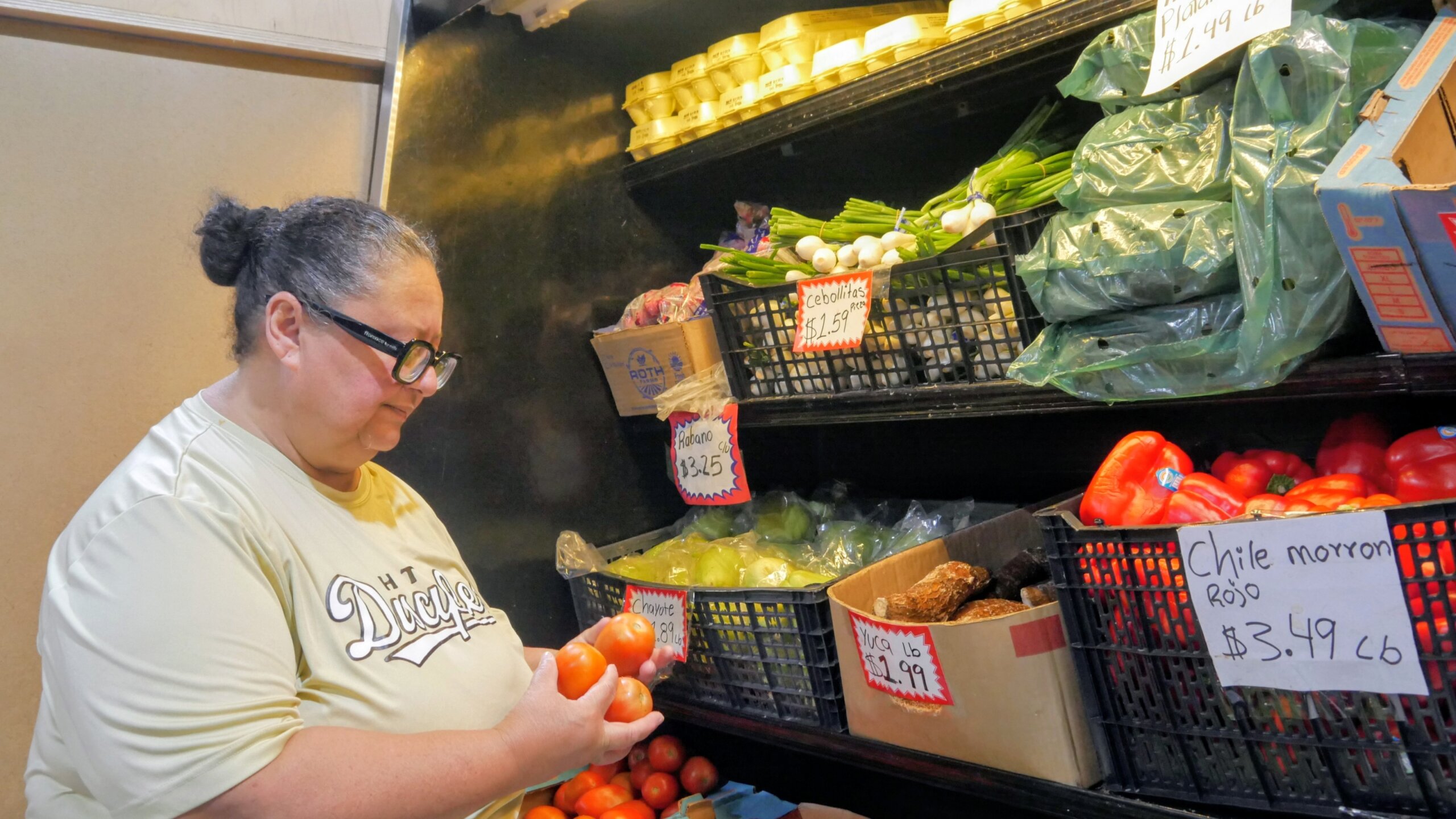
Retail sales taxes are now well above pre-pandemic levels, at $65.4 million this August. That compares to $50.4 million in August 2019.
Sales tax revenues also paint a picture of the effect that remote working is having on the city’s coffers. Sales taxes from parking were $5.9 million in August, compared to $6.8 million in 2019.
One sales tax category which has, predictably, remained steady throughout the pandemic is liquor. This August, it was $3.2 million. Notably, the highest August total for liquor sales taxes in D.C. in the past four years was $3.4 million in August 2020, at the height of COVID lockdowns.
Food service employment in the District is still well below pre-pandemic feels, but it has gained or regained 10,000 jobs in the past year. Food service currently employs 49,000 in D.C., 25.6% more than a year ago.
Accommodations employment, namely hotels, has regained 3,800 jobs in the past year, a dramatic 48.3% increase.