
DC’s Grillfish and sister restaurant The Pig are closing

Seafood-centric D.C. restaurant Grillfish is closing after 26 years as a West End staple. Sister restaurant The Pig is ending its 10 year run in Logan Circle as well.

Nov. 12 is the final day for both restaurants.

Grillfish, which opened in 1996, was a pioneer in committing to using only sustainable and locally sourced ingredients for its menus. The Pig bills its menu as a celebration of all things pork from nose to tail.


“Those two restaurants in particular were business traveler-centric, and center of the plate protein-centric,” said David Winer, principal at EatWell DC, which also owns Commissary and Logan Tavern.

“The dearth of business travel and spiraling costs made the equation off kilter. Add a hiring nightmare to the mix and an aggressive homeless issue on 14th Street and it became too difficult to operate,” Winer said.
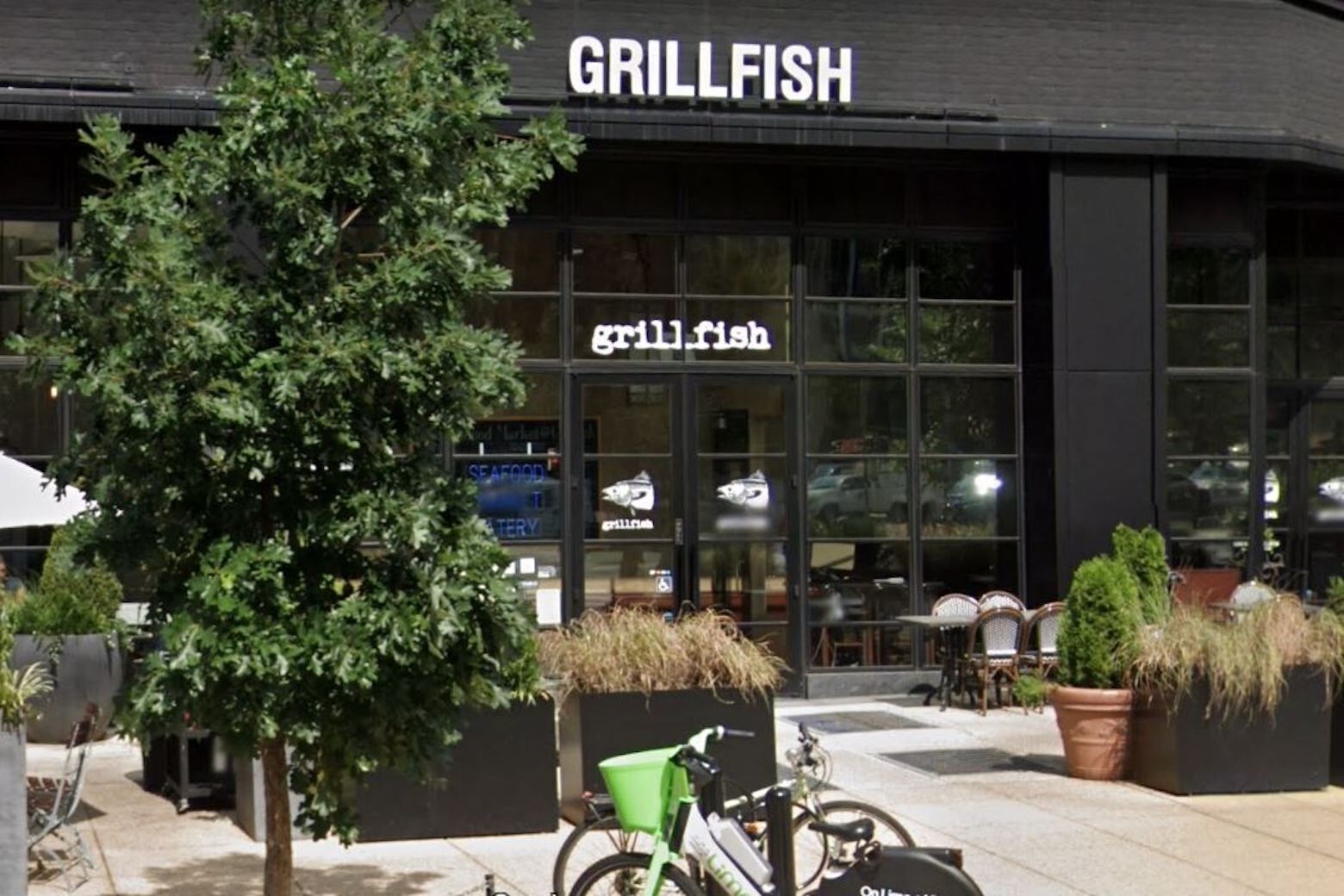
Grillfish restaurant in D.C. and its sister restaurant The Pig are closing.  (Courtesy Google Street View)

In addition to Commissary and Logan Tavern, the restaurant group also owns Eatwell Natural Farm in La Plata, Maryland, where it sources many of its ingredients.

Earlier this year, EatWell DC made restaurant industry news with its decision to cut all ties with food delivery apps, citing ever-increasing fees and little control over the timeliness or condition of its meals being delivered.

Massachusetts court hears arguments in lawsuit alleging Meta designed apps to be addictive to kids

BOSTON (AP) — Massachusetts' highest court heard oral arguments Friday in the state's lawsuit arguing that Meta designed features on Facebook and Instagram to make them addictive to young users. The lawsuit, filed in 2023 by Attorney General Andrea Campbell, alleges that Meta did this to make a profit and that its actions affected hundreds of thousands of teenagers in Massachusetts who use the social media platforms. “We are making claims based only on the tools that Meta has developed because its own research shows they encourage addiction to the platform in a variety of ways,” said State Solicitor David Kravitz, adding that the state's claim has nothing to do the company's algorithms or failure to moderate content. Meta said Friday that it strongly disagrees with the allegations and is “confident the evidence will show our longstanding commitment to supporting young people.” Its attorney, Mark Mosier, argued in court that the lawsuit “would impose liabilities for performing traditional publishing functions” and that its actions are protected by the First Amendment.
Read Next Story