It’s Cholesterol Education Month and a Northern Virginia doctor has perspective and advice about the blood fat that’s both made by your body and comes from foods you eat.
“Your good cholesterol is your HDL, and this is a level that you want to keep above 40. And your HDL is interesting, it acts like a scavenger in your bloodstream and just gobbles up all the bad cholesterol and takes it back to the liver to process it out of the body,” Dr. Jason Singh, a board certified physician in primary care with Kaiser Permanente in Manassas, said.
High cholesterol increases the risk for heart disease and stroke, two leading causes of death in the United States.
“When you have excess in cholesterol, this creates a buildup of fatty deposits called plaques. And that sticks to the walls of your arteries and impedes blood flow,” Singh explained.
Cholesterol should be checked starting early in life-even children should have cholesterol checked according to the Centers for Disease Control and Prevention.
“Your bad cholesterol is made up of your LDL and triglycerides; your LDL should be less than 100 and your triglycerides should be less than 150,” he said.
Singh said it’s important to cut back on foods that have high LDL:
- Red meats, cured meats, lamb, pork, butter and full fat dairy products like heavy cream
As well as foods high in triglycerides:
- Fried foods, fast food and red meats.
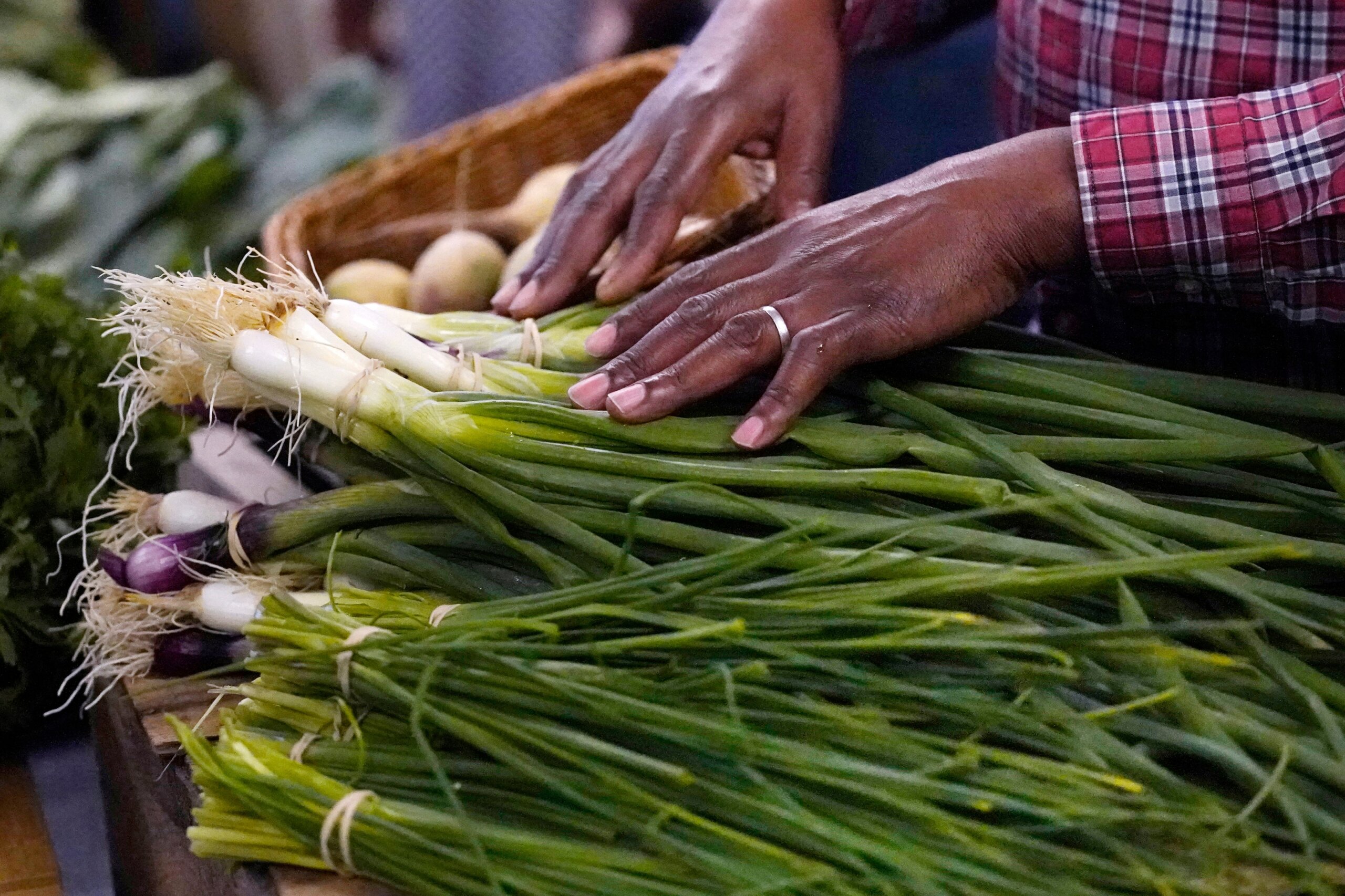
People looking to lower their bad, LDL cholesterol quickly should eat more purple produce, especially eggplant, red cabbage, blueberries and blackberries.
“The purple stuff is great for increasing your HDL and actually lowering your LDL and triglycerides and that lowers your overall ASCVD risk for having any kind of atherosclerotic cardiovascular disease.”
The “ASCVD risk” Singh referenced is a risk score and national guideline that was developed by the American College of Cardiology. It stands for atherosclerotic cardiovascular disease; it calculates the risk of someone having cardiovascular disease within the next 10 years.
Singh uses the score to help determine how aggressively someone should work to lower their cholesterol.
“A lot of this could be just from a dietary standpoint, right? Do we want to go with a low carb Mediterranean diet and increase aerobic exercises, which is the overarching lifestyle change goal?” he said. “Or is your risk so, so high that we need to start thinking of medication management which is usually with a statin and the statins typically target your LDL and triglycerides?”
The Mediterranean Diet is recommended by the American Heart Association. It’s a diet that’s high in chicken, fish, nuts, legumes, olive oil, fruits and veggies, low on red meats.
As for exercise goals — about 150 minutes of moderate level intensity exercise per week is recommended by the American Heart Association.
“And you can divide that however you want 10 minutes, one day, 20 minutes another day, as long as you get to 150 minutes per week, you’re golden,” Singh said.
People looking to be more active should set goals that are concrete enough to measure so they can hold themselves accountable.
“Just having a goal of — ‘Hey, I just want to walk more Doc,’ it may not be as effective as — ‘I want to make 10,000 steps per day.’ Then you reverse engineer it,” Singh said. “Break your big goal into smaller goals. So for example, start by walking 5,000 steps per day, and then increasing your steps by 1,000 a week until you get to your goal again, it’s specific and measurable.”
Singh wants to emphasize the importance of yearly checkups for overall health assessments with primary care doctors and preventive screenings.
“It’s also important to go over with your physician what is a good diet and exercise habit,” Singh advised.