
A Fairfax City, Virginia, agency that works with people experiencing homelessness, who earn a low income and people with addictions, has a new initiative that goes the extra mile.
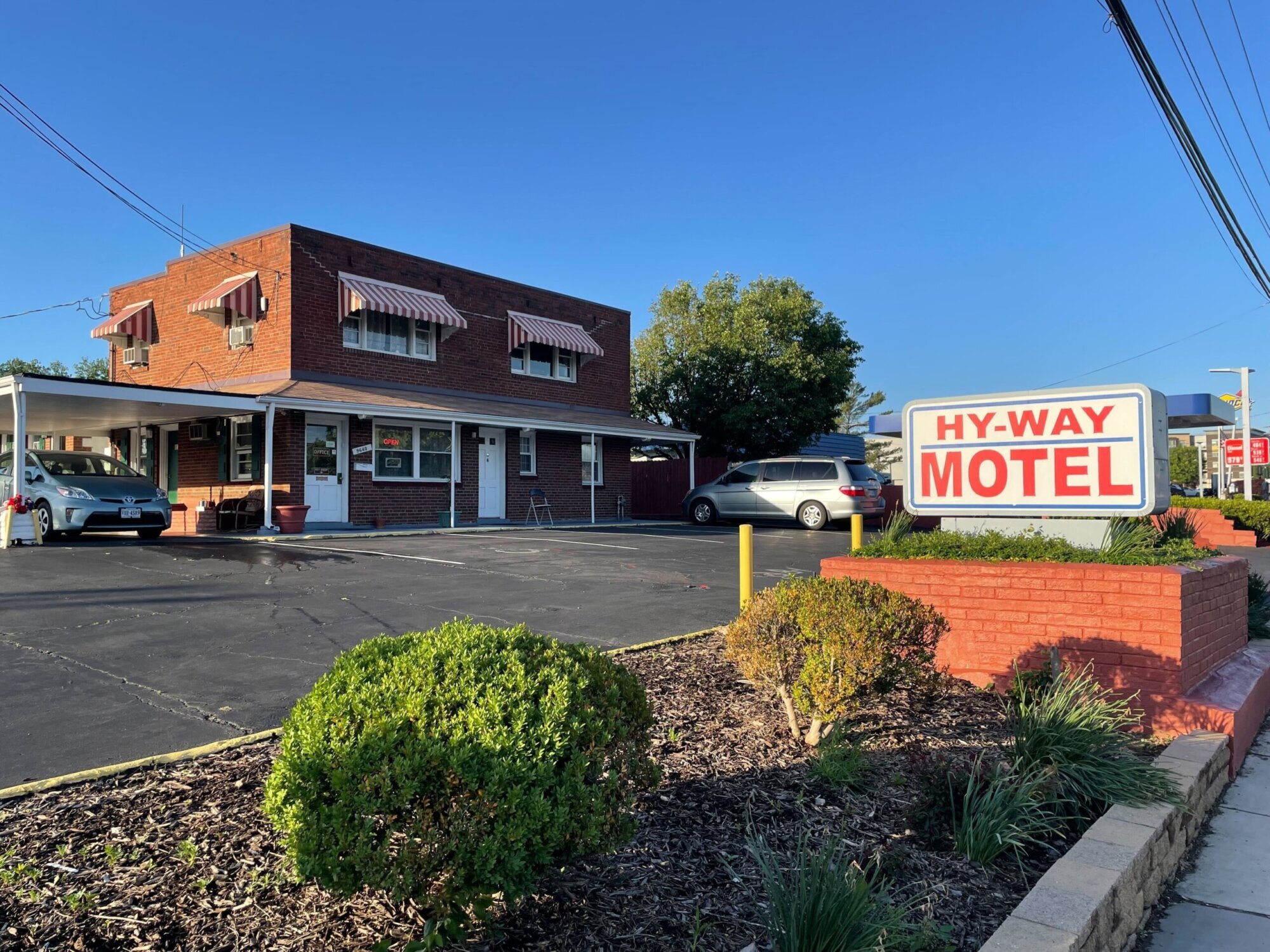
In a partnership with Wesley Housing, the Lamb Center has plans to convert an old hotel on Fairfax Boulevard into a five-story residential mixed-use community with 54 studio apartments.
Executive Director Tara Ruszkowski said this kind of supportive housing makes a huge difference.
“If you put somebody into housing but you don’t support them, and they have an addiction or a disability, then that addiction or that disability is likely to get worse,” she said.
Ruszkowski said supportive housing is a holistic, dignity-based approach to supporting the needs of its clients, which includes case management and wraparound services that help take care of people’s basic needs.
“Folks on the margins really suffer, particularly in times of pandemic, and we do not have the kind of housing supports that we need to care for this population properly,” Ruszkowski said.
There are only a few other supportive housing communities like this in Northern Virginia. The property will house residents with very low incomes, less than $30,000 a year. It could be finished by 2025.