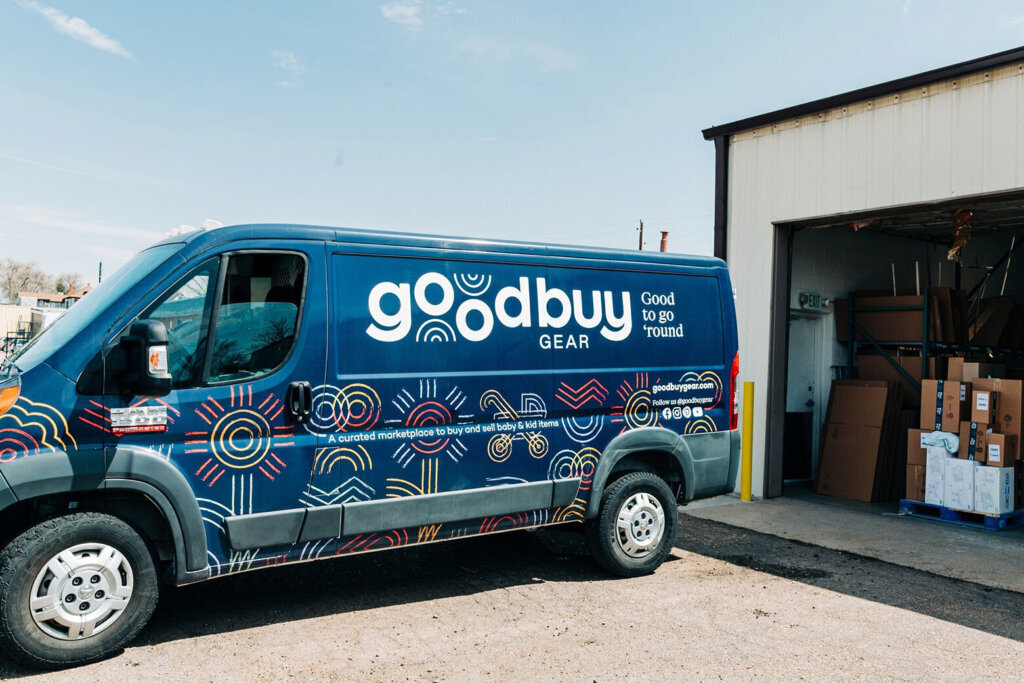
Denver-based GoodBuy Gear, which buys and sells used baby and children’s items, has expanded to the D.C. region market.
GoodBuy Gear, founded in 2016, has now expanded to five metros, including Dallas, Houston and Philadelphia, with plans for continued nationwide growth.
The company said baby and kid re-commerce is projected to grow 11 times faster than traditional retail. Its marketplace allows parents to both sell and buy quality used baby and children’s gear.
Parents can schedule a day for the company to pick up items. GoodBuy Gear quality checks, photographs, prices and lists the items on its marketplace, and handles all buyer communication and shipping.
There is a $10 pickup fee.
Sellers are paid as soon as their items are sold, receiving as much as 80% of the sale price over $249, to as little as 20% for an item that sells for less than $9. A credit of up to 90% for purchases is also an option.
It also drops prices by 5% every 10 to 20 days for items that don’t sell. Items that don’t sell after 120 days are donated to nonprofits.
“Recent studies show that 64% of consumers want to participate in the circular economy and reuse products they no longer need,” said CEO and co-founder Kristin Langenfeld. “However, most parents still throw away or donate used yet functional gear due to the lack of accessible and convenient reselling options.”
The company does not accept all items. Among those excluded are used car seats, clothing, stuffed animals, books and cribs.
GoodBuy Gear opened a fulfillment center in Philadelphia last year. Its online marketplace carries over 12,000 brands at any given time.