The lineup of sponsors and vendors for this year’s National Cannabis Festival, set for Saturday on the grounds of RFK Stadium, signifies how the cannabis industry has moved into the mainstream.
Companies and retailers view festival patrons and attendees as a viable target market for more than just pipes, bongs and psychedelic paraphernalia.
“The cannabis culture is starting to mature,” said Caroline Phillips, the festival’s founder and executive producer. The festival, she said, is attracting “big-name, mainstream companies … that you would never have seen even five years ago.”
Companies such as Lyft, DC Brau, the Takoma Wellness Center, Byrdland Records, Eaton DC, the Joyful Bath Company and others will intermingle with product brands, retailers, testing laboratories, vape stores and even a cannabis-focused university.
Phillips said the festival “is still very much about music, lifestyle and a celebration of cannabis in mainstream society as we — slowly but eventually — approach full legalization,” but the programming also reflects that evolution, as attitudes go “beyond the traditional uses of cannabis for health, medicinal, wellness and even recreational use.”
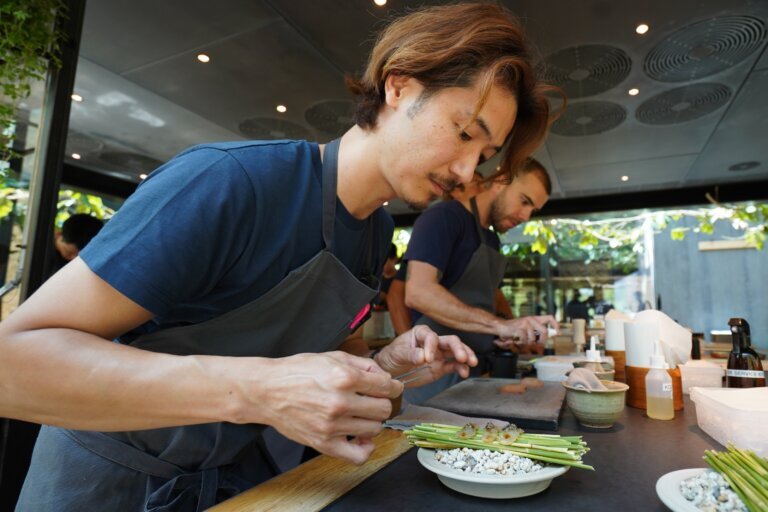
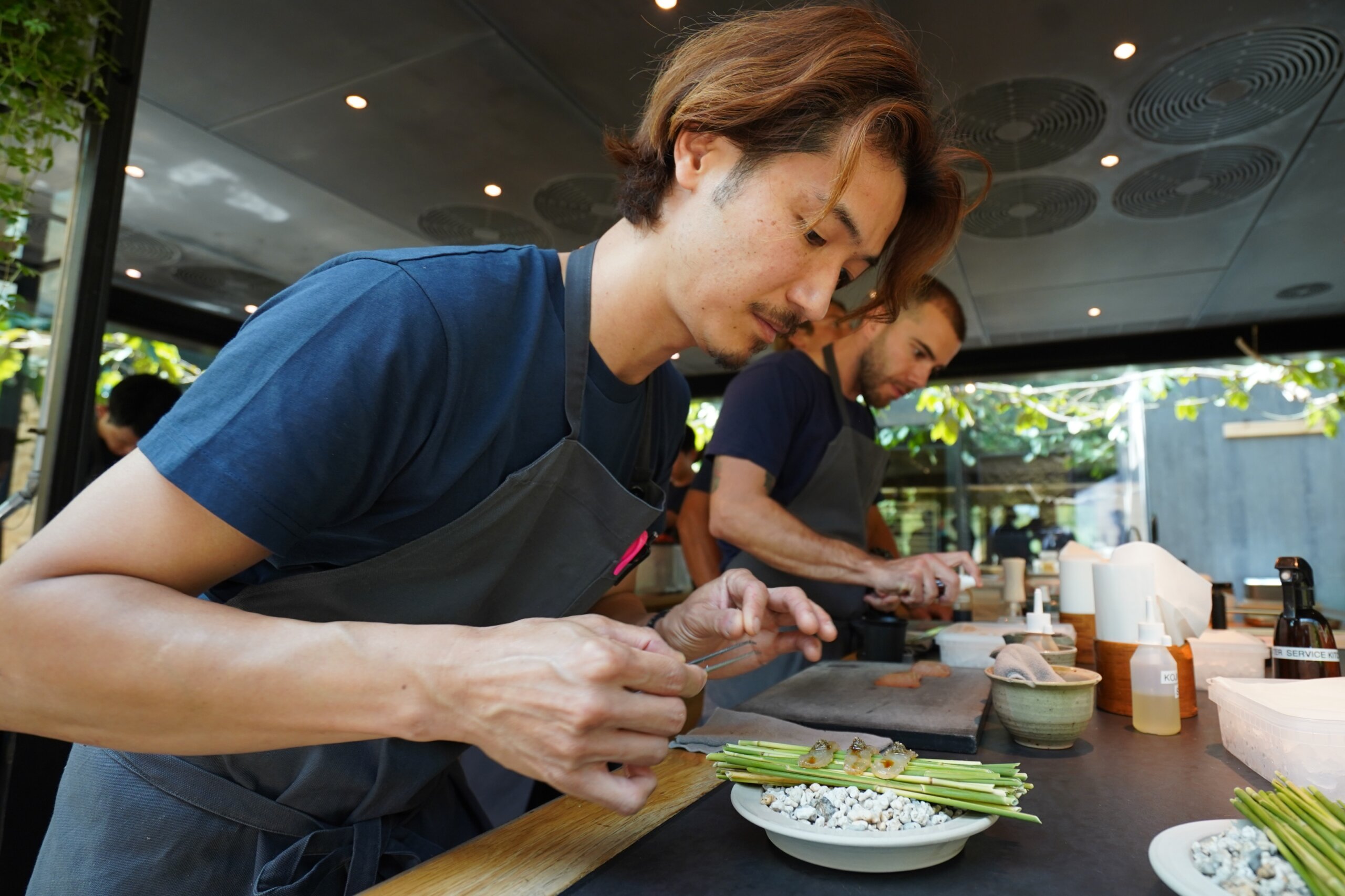
Phillips pointed to the festival’s culinary programming; the Cypher Stage, which features comedy performances, poetry and other free-form activities; a Veterans Lounge; and an Advocacy Zone, for organizations dedicated to the end of cannabis prohibition and who are still incarcerated for outdated and often draconian drug laws.
Law firms, accounting firms, human resources organizations, payment processing companies and marketing firms are also actively establishing divisions dedicated exclusively to serving the needs of emerging companies in the cannabis, CBD and hemp space. “Several of these service organizations will also be represented at the festival,” Phillips said.
But for companies such as DC Brau and Eaton DC, the festival’s main appeal is the opportunity to publicize, promote and market their products, services and offerings to a viable, affluent and active audience segment.
“Without a doubt, the world has changed,” said Brandon Skall, CEO and co-founder of the Northeast D.C.-based craft brewery DC Brau.
“With cannabis becoming decriminalized and legalized throughout the country, with such a large group of people coming into the industry, the taboo is sort of removed and as a result, you see the breadth of diversity at the festival.”
This will be Skall’s third festival, and he said that while he doesn’t personally use cannabis, “there’s plenty of reasons outside of cannabis to be there.” Last year, he said, he shared a beer with Congressman Joe Cunningham (D-S.C.). “You’re going to see both local and national politicians, business owners, a whole slice of society. It’s not just the hippie folks.”
Sebi Medina-Tayac, the marketing manager at the four-star Eaton DC hotel, said: “More and more we’re seeing people embrace cannabis as a plant medicine that heals and treats ailments, while also serving as a recreational alternative to alcohol, so we are very much aligned with that movement.
“Cannabis has also created an opportunity for communities to reclaim some of their economic autonomy and also heal from the trauma and injustice of the war on drugs. So for all those reasons, we felt that the National Cannabis Festival was wholly aligned with our goals as a company.”
Skall sees considerable parallels between the cannabis industry and the craft brewing trade.
“Coming out of COVID, the small business community is hurting,” he said. “Yet despite the tax revenues our industry could deliver to the government, there’s still a lot of red tape that prevents breweries from being involved in creating THC or CBD products.
“And that’s just the nature of the world today. But if you look at the craft beer scene in general across the country, you know that once those obstacles are removed, there’d be a lot of breweries out there that would have a product ready to go pretty quickly.”
He said DC Brau would be one of those companies. “We’ve always sort of worn our heart on our sleeve, and we’re not afraid to talk about what we support. We wholeheartedly support this cannabis festival as well as legalization efforts across the country.”
Saturday’s main event, from noon to 10 p.m., is the most visible part of the festival — with concerts, vendor booths and a food pavilion aptly named the Munchies Zone — but the event lasts all weekend.
The National Cannabis Festival Policy Summit, a daylong event on Friday at the Ronald Reagan Building & International Trade Center, features a full lineup of speakers and panelists including U.S. Senate candidate Gary Chambers; Americans for Tax Reform President Grover Norquist; and Carlyle Consulting founder and CEO Tom Rogers.
The weekend concludes with Sunday’s National Cannabis Championship competition, which recognizes the area’s best homegrown cannabis “flowers.”
Steve Winter and Kenny Fried are WTOP contributors who work for Brotman|Winter|Fried, a division of Sage Communications.