
D.C., Maryland and Virginia have been pounded by snow and ice this month, and while they cause lots of wrecks, the solution to de-ice roads can also cause problems for cars.
That white powder accumulating on our roads is no longer snow — it’s large amounts of salt that has been crushed by passing vehicles, and it can wreak havoc by rusting out the undercarriage of the car.
“So you would think that was mainly just cosmetic damage or cosmetic issues that you see,” Ragina Ali, with AAA Mid-Atlantic, told WTOP. “But it’s important to note that the salt, the de-icing solutions can also create serious safety issues for drivers by impacting their brake lines, exhaust systems, even their fuel tanks and electrical systems.”
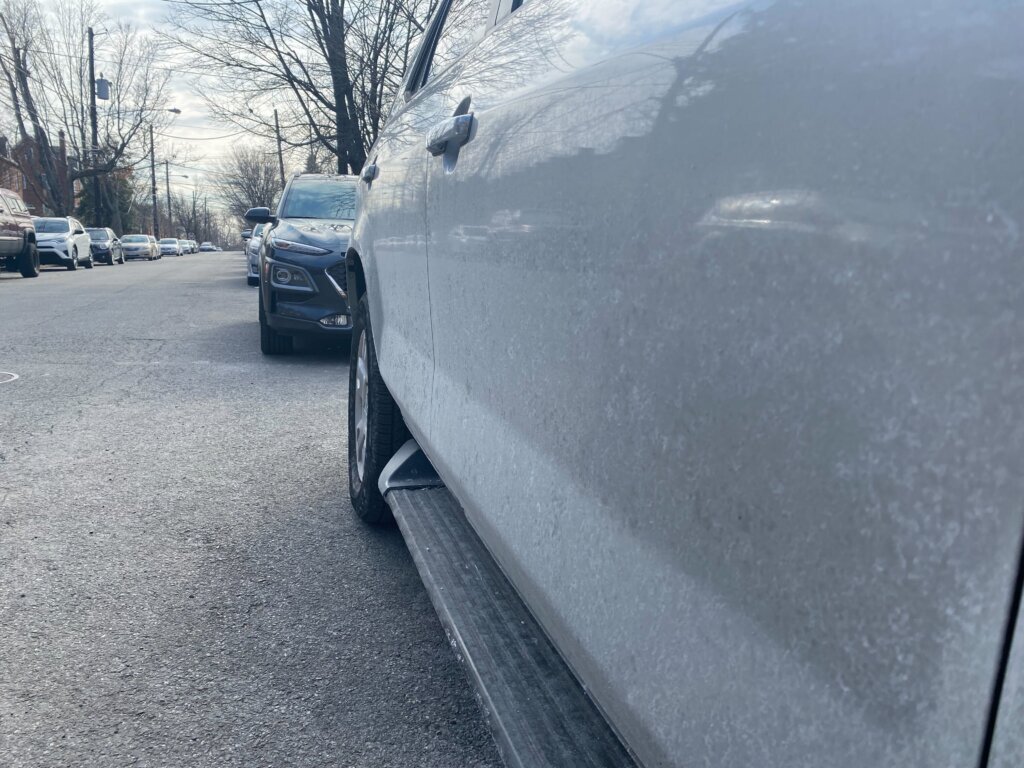
That damage on average costs around $500 to repair, and it ends up being about a $3 billion a year expense for American drivers.
“In the last several years, 22 million U.S. drivers have experienced rust damage to their cars due to salt and liquid de-icers,” Ali said.
So if you want to avoid the costly expenses, get your car washed frequently, paying particular attention to the undercarriage. This will loosen and dissolve and neutralize road salts. Many drive thru car washes also offer undercarriage rinses as an option.
“You want to also make sure that you’re washing your vehicle as frequently as possible, removing any you know, road salts or debris or the icing solutions to protect not only the exterior paint, but as well as your undercarriage.”