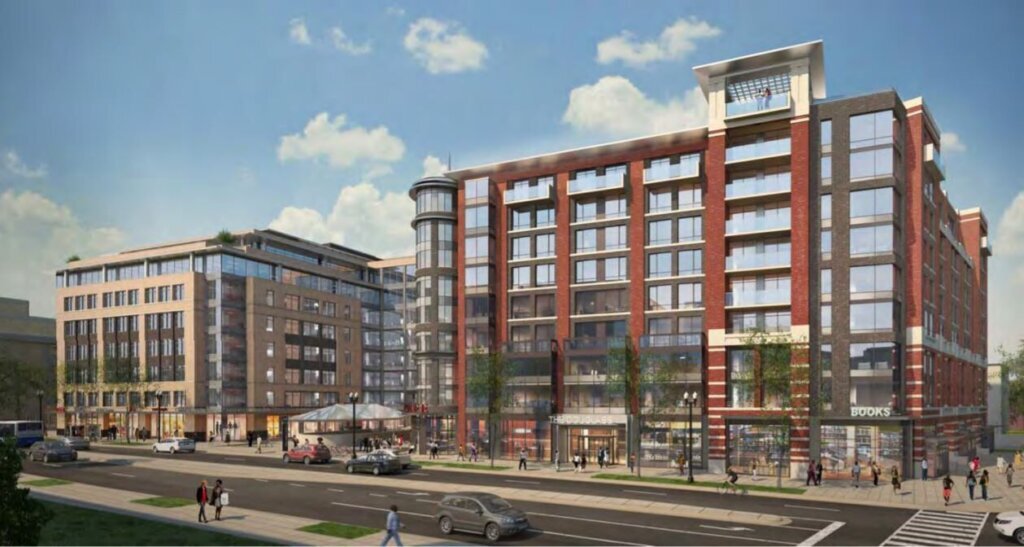
A trio of developers have partnered with Metro for a planned mixed-use development at D.C.’s Congress Heights Metro station.
Metro has closed on the sale of a vacant, one-acre lot at the southern entrance to the station. Standard Real Estate Investments, Trammell Crow Company and nonprofit National Housing Trust will combine that with another two acres the developers are assembling.
The project would include a 240,000 square foot office building, and 179 affordable housing units, supported by the District’s Affordable Housing Developer Tax Relief program.
That program supports developers who deliver housing units made available to D.C. residents earning 30% to 80% of area median income levels.
The development will be near the existing the redevelopment of the former St. Elizabeths Hospital campus as a mixed-use community.
“This mixed-use development across Alabama Avenue Southeast will complement that work and ensure that both entrances to the Congress Heights Metro Station bring vibrancy to the neighborhood while also advancing D.C.’s goal of 36,000 new homes by 2025,” said Deputy Mayor for Planning and Economic Development John Falcicchio.
Metro received $3.1 million in proceeds for the sale of the vacant land. Metro retains full operational control of the Congress Heights Metro station.
It will be the latest development partnership for Metro. To date, joint development projects at 27 stations have delivered 13 million square feet of office, residential, hotel and retail space, according to the Washington Metropolitan Area Transit Authority.
It says its transit-oriented developments now contribute $42 million in annual local tax revenue.