
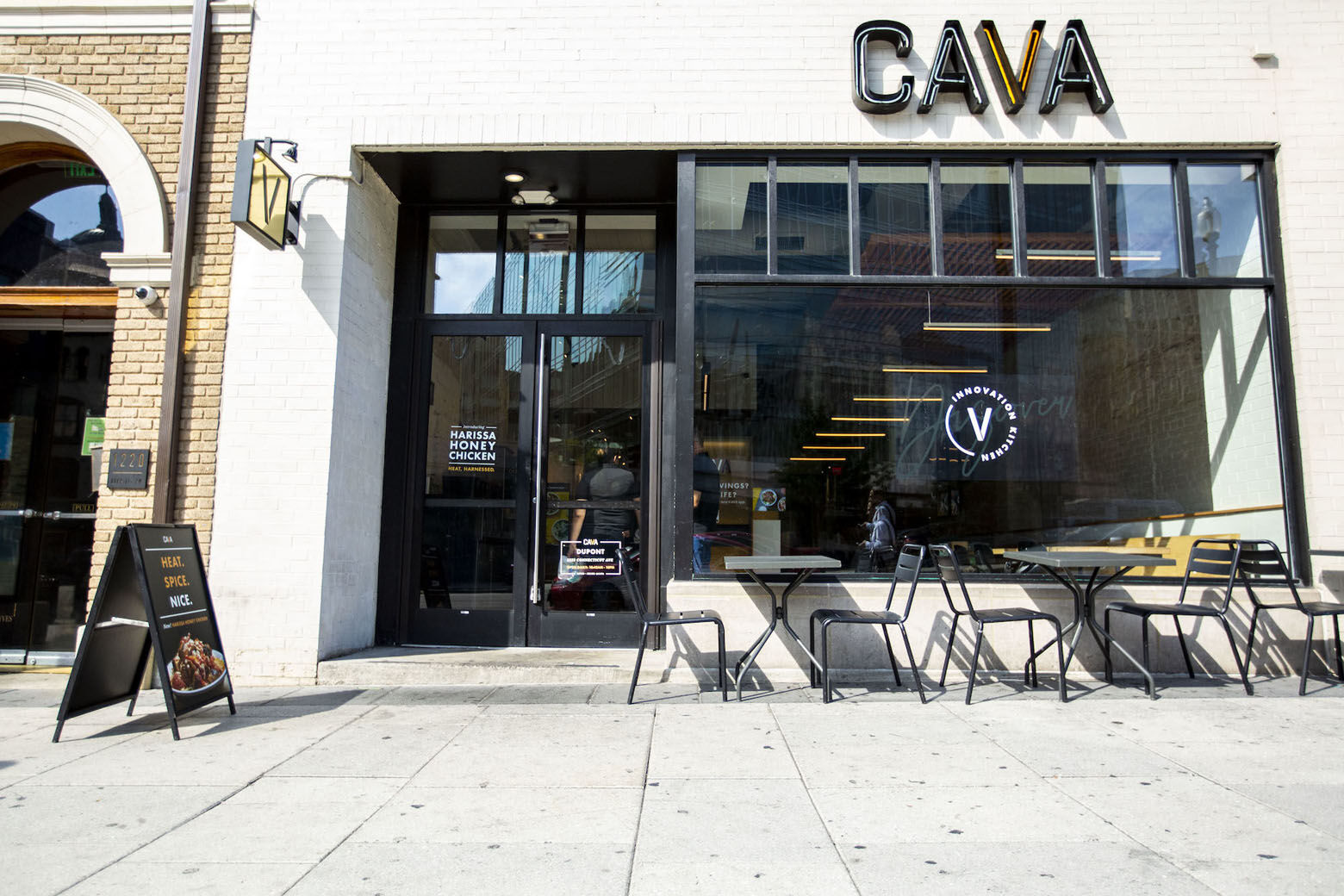
D.C.-based Mediterranean restaurant chain CAVA, whose hummus spreads, tzatziki, sauces and other products are carried in thousands of grocery stores, will invest $30 million in a new processing and packaging facility in Virginia’s Shenandoah Valley, near Staunton.
The 57,000-square-foot facility will be in the Mill Place Commerce Park and create more than 50 jobs.
CAVA currently produces and packages many of its products at a facility in Laurel, Maryland.
“As a Washington, D.C.-based business, the Commonwealth of Virginia is part of our hometown community. We opened our first restaurant in Virginia in 2012, and today we operate more than 30 CAVA restaurants where we employee over 900 team members,” said CAVA chief executive and co-founder Brett Schulman.
CAVA will receive a $200,000 grant from the Commonwealth’s Opportunity Fund, and may be eligible for a $300,000 performance-based grant from the Virginia Investment Performance Grant.
Virginia competed with North Carolina for the facility.
‘The Shenandoah Valley has built a reputation as a top location for food and beverage manufacturers, and CAVA is a strong addition to a region home to many industry leaders, ” Brian Ball, Secretary of Commerce and Trade said.
CAVA, founded in 2006 by three Maryland natives, has grown to more than 130 restaurant locations across the country, and in addition it owns the Zoes Kitchen chain, which it acquired in 2018 for $300 million.
In April, CAVA raised $190 million in new investments to fund further expansion.