
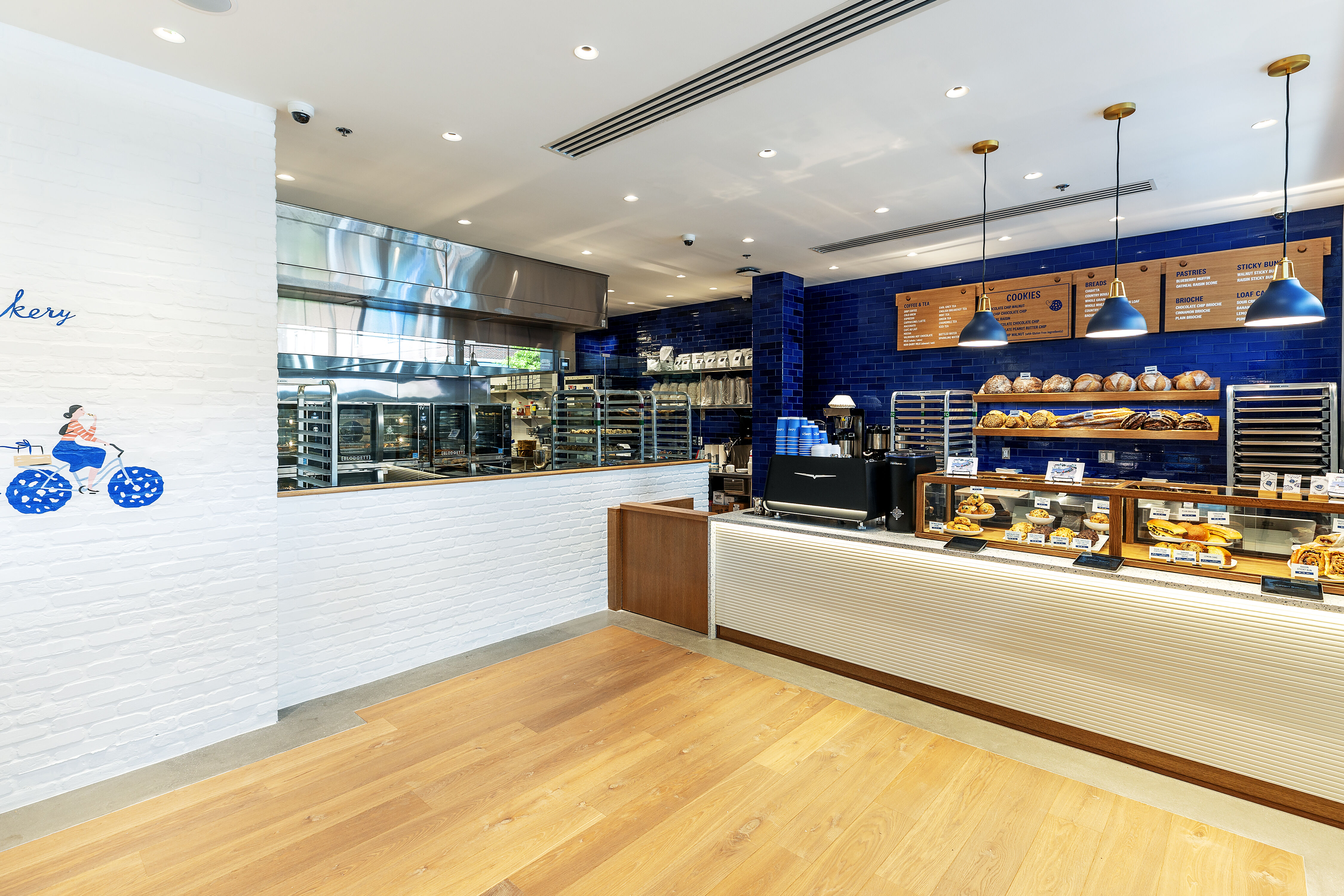
Levain Bakery, which opened its first bakery in Manhattan’s Upper West Side in 1995 and quickly gained a following for its decadent oversized chocolate chip cookies, will open a store at Bethesda Row on July 13, its second location outside of New York.
Its first location outside of New York opened in Georgetown last fall, in the former Johnny Rockets space at 3131 M St. NW.
Friends Pam Weekes and Connie McDonald started Levain as a small bread bakery, but it is their palm-sized, six-ounce chocolate chip cookies that put them on the map with lines outside the door routinely. The pair have appeared on just about every “Best of New York” list.
“We’ve hosted Bethesda customers at our flagship bakery in New York for years. The tight-knit community here makes us feel right at home,” Weekes and McDonald said in a joint statement announcing the Bethesda store.
The Bethesda location will debut with ice cream sandwiches through the end of the summer made with gelato from Dolcezza Gelato, which has a neighboring Bethesda Row location, with either chocolate chip walnut cookies or dark chocolate chip cookies.
It’ll also donate 100% of its first day proceeds to nonprofit Bethesda Help, which provides food and financial aid to residents in Montgomery County.
Levain has eight bakery locations. In addition to its signature cookies, Levain also sells loaf cakes and breads, pastries and Brioche, coffee, espresso and teas. Its cookies are also sold at Whole Foods stores.