
More drivers may be seeing a “check engine” warning light pop up on their vehicle dashboard these days, following recent long lines and shortages at D.C.-area gas stations.
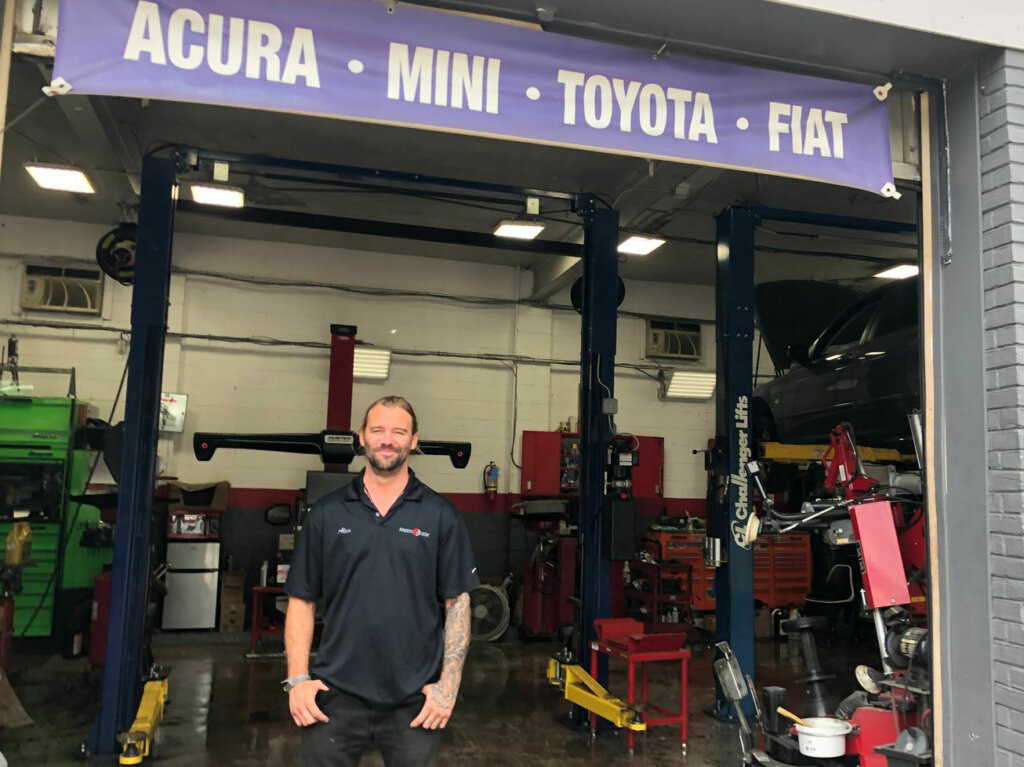
Mechanic Alex Chester said an unusually high number of customers have come in recently, concerned about the engine trouble light.
“We’ve seen multiple problems with the ‘check engine’ lights; usually it’s referring to catalytic efficiency and the oxygen sensors, which read the fuel mixtures inside the engine,” said Chester, a mechanic at River Road Auto Haus, in Bethesda.
The service station works on all types of vehicles but specializes in higher-end cars, especially German and British-made ones.
How could the recent run on gas effect the fuel mixture inside an engine?
“What we’re finding mostly is because of the fuel tanks that we have — storage for the fuel — they’re running down to the bottom. And a lot of times you can get small contaminants and water buildup in those tanks,” he said.
Chester said petroleum providers recommend to service stations that fuel storage tanks be refilled before they get too low.
Plenty of gas station storage tanks in Maryland, Virginia and D.C. were tapped dry recently when a major East Coast pipeline was shutdown following a cyberattack.
The news sparked a frenzy of gas fill-ups, draining supply.
If you see a ‘check engine’ light next time you start your engine, Chester said don’t be too worried.
He said fuel from the bottom of the storage tank generally does not damage engines.
“Generally it’s not harmful, once the engine works it through and you put a fresh tank of gas in. You can slide by your local mechanic; they generally can check the light and clear the codes,” Chester said.