A coyote that attacked three people in Rockville, Maryland, on Thursday was confirmed to have been infected with the deadly rabies virus, raising fears about the disease among D.C. region residents.
What can you expect when seeking treatment after being bitten by a suspected rabid animal?
“Anytime there’s a possible bite or possible exposure, we take this seriously,” Dr. Vinit Nanavaty, an emergency physician at D.C.’s Sibley Memorial Hospital, told WTOP.
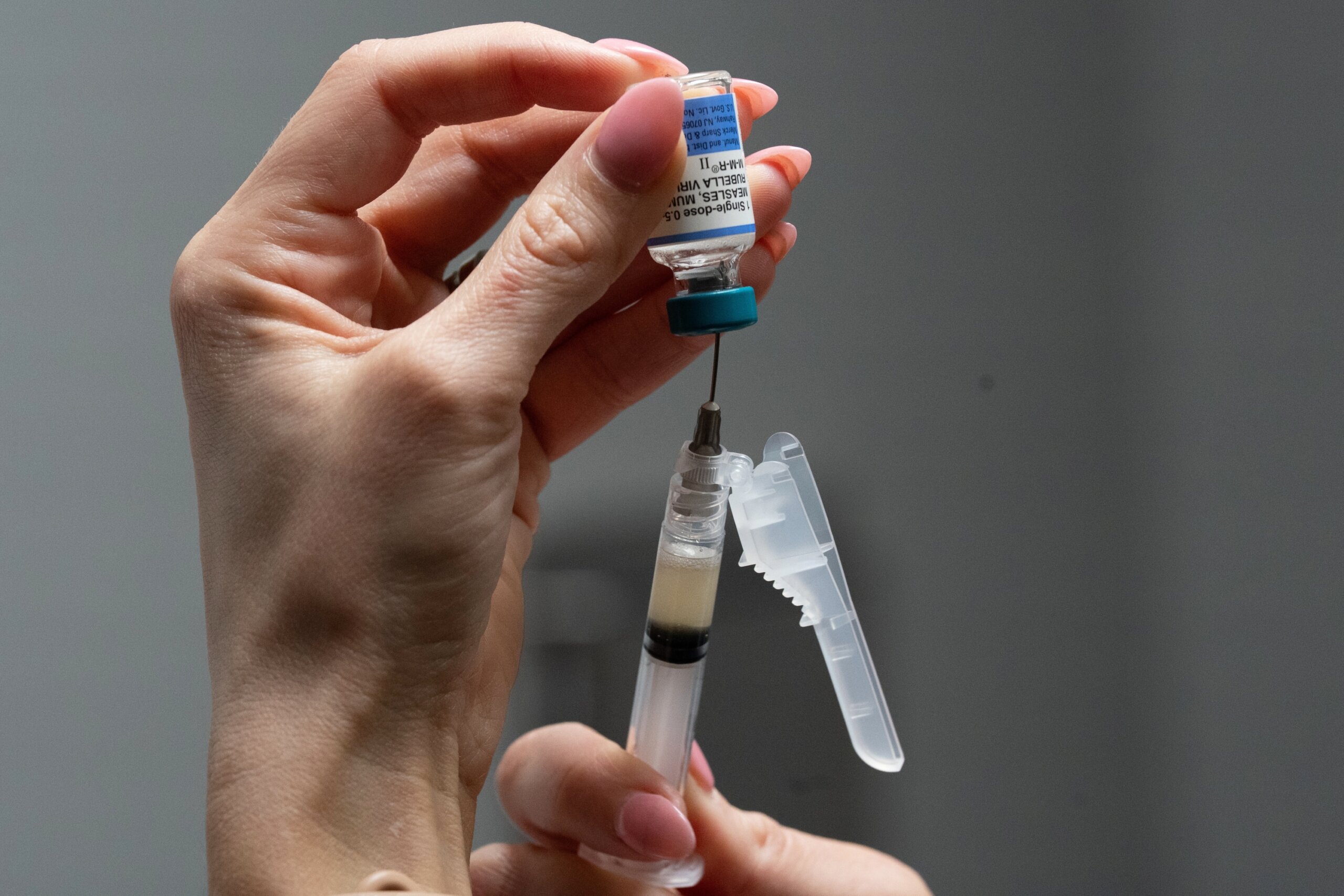
First, the patient should be prepared to ask questions, including on the type of animal involved and whether there was saliva exposure. These questions, Nanavaty said, form part of an algorithm that professionals use to determine if the patient meets the criteria for rabies transmission before being given antibodies for the virus.
Among the first symptoms one could expect are fever, headache, nausea and sore throat. Nanavaty said paresthesia — numbness and tingling — around the area of the bite are possible as well.
Later on, Nanavaty said the patient might progress into confusion, anxiety or an otherwise altered mental state. In advanced cases, they may experience what medical textbooks call hydrophobia — an intense fear of water.
But most of the people Nanavaty has preemptively treated for rabies from animal bites have displayed no symptoms, adding that “the incidence of rabies in the United States is actually very low.”
The Centers for Disease Control only documented 25 cases of rabies nationwide from 2009 to 2018.
“This is a very rare phenomenon to actually encounter,” Nanavaty said, while cautioning that the outlook for those who actually contract the disease and start exhibiting symptoms is “very, very poor.”
While a coyote was behind the attacks in Rockville, Nanavaty said the most common rabies carriers in the D.C. area are raccoons or bats. He said if a patient told him they had been injured by a bat, he would “100%” give them the antibody and the vaccine as soon as possible.
“If I start hearing a story about [a bite from] a domesticated dog or a cat, there’s virtually no risk.”
Regardless, Nanavaty said if there is the slightest suspicion of rabies transmission, even if only a scratch, you need to seek medical attention immediately.
“The local health department would also be able to give you counseling over the phone, if you don’t want to make that trip all the way to the ER,” he added.
WTOP’s Mike Murillo contributed to this report.